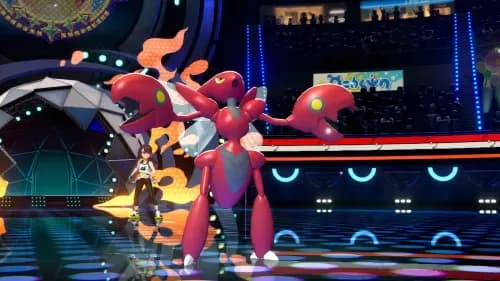

The full roster for Pokémon Champions is now confirmed, and it tells you a lot about what kind of game this actually is. Developed by The Pokémon Works and published by Nintendo and The Pokémon Company for Nintendo Switch, the game pulls your Pokémon directly from Pokémon Home and drops them into PvP battles using core series mechanics. Types, Abilities, moves , all of it carries over. The catch is that not every Pokémon you own is eligible.
Far from a complete National Dex sweep, the current supported roster sits at roughly 170 Pokémon, spanning generations 1 through 9. That is a deliberate selection, not a technical limitation, and it shapes the competitive meta from day one.
What the roster selection actually signals
Here's the thing: the Pokémon that made the cut are almost entirely fully evolved, battle-ready forms. You are not finding many mid-stage evolutions or unevolved basics on this list. Charizard, Garchomp, Greninja, Dragapult , these are the kinds of picks that make sense for a PvP-focused title where every slot on your team needs to pull weight.
The roster also spans a wide generational spread. Generation 1 staples like Alakazam, Gengar, and Snorlax sit alongside newer additions like Kingambit, Tinkaton, and Hydrapple from Generation 9. That cross-generational mix is going to make team-building genuinely interesting, since players will be drawing on decades of competitive knowledge while also adapting to some of the newer type matchups and ability interactions.
danger
Pokémon must be transferred from Pokémon Home to be usable in Pokémon Champions. Pokémon not on the supported list cannot be brought into battles, even if they are in your Home storage.
The full confirmed roster
Below is every Pokémon currently supported in Pokémon Champions, confirmed as of this week:
Generation 1: Venusaur, Charizard, Blastoise, Beedrill, Pidgeot, Arbok, Pikachu, Raichu, Clefable, Ninetales, Arcanine, Alakazam, Machamp, Victreebel, Slowbro, Gengar, Kangaskhan, Starmie, Pinsir, Tauros, Gyarados, Ditto, Vaporeon, Jolteon, Flareon, Aerodactyl, Snorlax, Dragonite
Generation 2: Meganium, Typhlosion, Feraligatr, Ariados, Ampharos, Azumarill, Politoed, Espeon, Umbreon, Slowking, Forretress, Steelix, Scizor, Heracross, Skarmory, Houndoom, Tyranitar
Generation 3: Pelipper, Gardevoir, Sableye, Aggron, Medicham, Manectric, Sharpedo, Camerupt, Torkoal, Altaria, Milotic, Castform, Banette, Chimecho, Absol, Glalie
Generation 4: Torterra, Infernape, Empoleon, Luxray, Roserade, Rampardos, Bastiodon, Lopunny, Spiritomb, Garchomp, Lucario, Hippowdon, Toxicroak, Abomasnow, Weavile, Rhyperior, Leafeon, Glaceon, Gliscor, Mamoswine, Gallade, Froslass, Rotom
Generation 5: Serperior, Emboar, Samurott, Watchog, Liepard, Simisage, Simisear, Simipour, Excadrill, Audino, Conkeldurr, Whimsicott, Krookodile, Cofagrigus, Garbodor, Zoroark, Reuniclus, Vanilluxe, Emolga, Chandelure, Beartic, Stunfisk, Golurk, Hydreigon, Volcarona
Generation 6: Chesnaught, Delphox, Greninja, Diggersby, Talonflame, Vivillon, Floette, Florges, Pangoro, Furfrou, Meowstic, Aegislash, Aromatisse, Slurpuff, Clawitzer, Heliolisk, Tyrantrum, Aurorus, Sylveon, Hawlucha, Dedenne, Goodra, Klefki, Trevenant, Gourgeist, Avalugg, Noivern
Generation 7: Decidueye, Incineroar, Primarina, Toucannon, Crabominable, Lycanroc, Toxapex, Mudsdale, Araquanid, Salazzle, Tsareena, Oranguru, Passimian, Mimikyu, Drampa, Kommo-o
Generation 8: Corviknight, Flapple, Appletun, Sandaconda, Polteageist, Hatterene, Mr. Rime, Runerigus, Alcremie, Morpeko, Dragapult, Wyrdeer, Kleavor, Basculegion, Sneasler
Generation 9: Meowscarada, Skeledirge, Quaquaval, Maushold, Garganacl, Armarouge, Ceruledge, Bellibolt, Scovillain, Espathra, Tinkaton, Palafin, Orthworm, Glimmora, Farigiraf, Kingambit, Sinistcha, Archaludon, Hydrapple
A roster built to grow
What most players miss in the initial reaction to a list like this is that the omissions are just as telling as the inclusions. Legendary and mythical Pokémon are absent entirely from the current roster, which points toward a competitive structure built around fairness and balance rather than raw power scaling. The Pokémon Works has clearly designed this as a living game, with the supported roster expected to expand over time as more Pokémon are made compatible.
The key here is that Pokémon Home acts as the bridge. Your existing collection across Scarlet, Violet, and other compatible titles feeds directly into your Champions roster, making the game feel like a natural extension of years of play rather than a fresh start. That is a smart hook for long-term Pokémon fans who have spent years building out their Home storage.
For a deeper look at the game's mechanics and history, the Pokémon Champions page on ourr website is worth bookmarking. The roster will keep expanding, so you'll want to check back as new compatibility updates drop. For more Pokémon Champions coverage and other game guides, make sure to check out more: