
"Just discard your ego and become a drawing machine!" That was the thought that changed everything for Mokochan, the director behind Science SARU's new adaptation of Ghost in the Shell. The name that anime fans have been puzzling over is not a quirky stage persona or a throwaway nickname. For Mokochan, it is a statement of purpose.
The moment the name was born
Mokochan has been drawing attention for more than just his work on the anime. Last week, he made headlines for describing his approach to adapting Masamune Shirow's original manga as seeking "spiritual communion" with the author, going as far as praying to an imaginary image of the (still very much alive) Shirow. That story went wide. Now the origin of the name itself is catching fire among Japanese anime fans.
In a recent interview, Mokochan was direct about where the pseudonym came from. The internal monologue that sparked it, "discard your ego and become a drawing machine," was not a fleeting idea. It reshaped how he thinks about his own identity as a creator. "I'm not fooling around with it," he said. "I believe it's my own way of taking responsibility with sincerity."
Here's the thing: that framing cuts against almost every assumption about what a director is supposed to be. In most creative industries, the director is the auteur. The name above the title. The ego made visible. Mokochan is actively arguing the opposite.
Physicality over personal expression
The philosophy behind the name runs deeper than just a catchy alias. Mokochan says he has "absolutely no intention" to project his own sensibilities onto the anime he works on. Where most directors chase a signature style, he believes "physicality" is the more valuable quality in animation production.
His reasoning is specific to how large-scale anime actually gets made. Production involves massive, specialized teams where the job is often to execute instructions with technical precision, not to express personal vision. But here is the part that makes his thinking genuinely interesting: he does not see that as a creative loss. "The moment something passes through your own hands and becomes your output, it inevitably begins to bear the imprint of its creator," he explained. Once he learned to trust that physical signature, the need to consciously express himself disappeared.
That is a surprisingly mature take on craft. The idea that identity comes through in the work regardless, so there is no need to force it, is something a lot of animators spend years figuring out.
A career built on letting go
Mokochan says this stance has not shifted even now that he has stepped into the director's chair for the first time. That consistency matters. It would be easy to read the "drawing machine" philosophy as something an animator adopts out of necessity, a way to cope with being one cog in a giant production. But he is carrying it forward into a role where he has genuine creative authority.
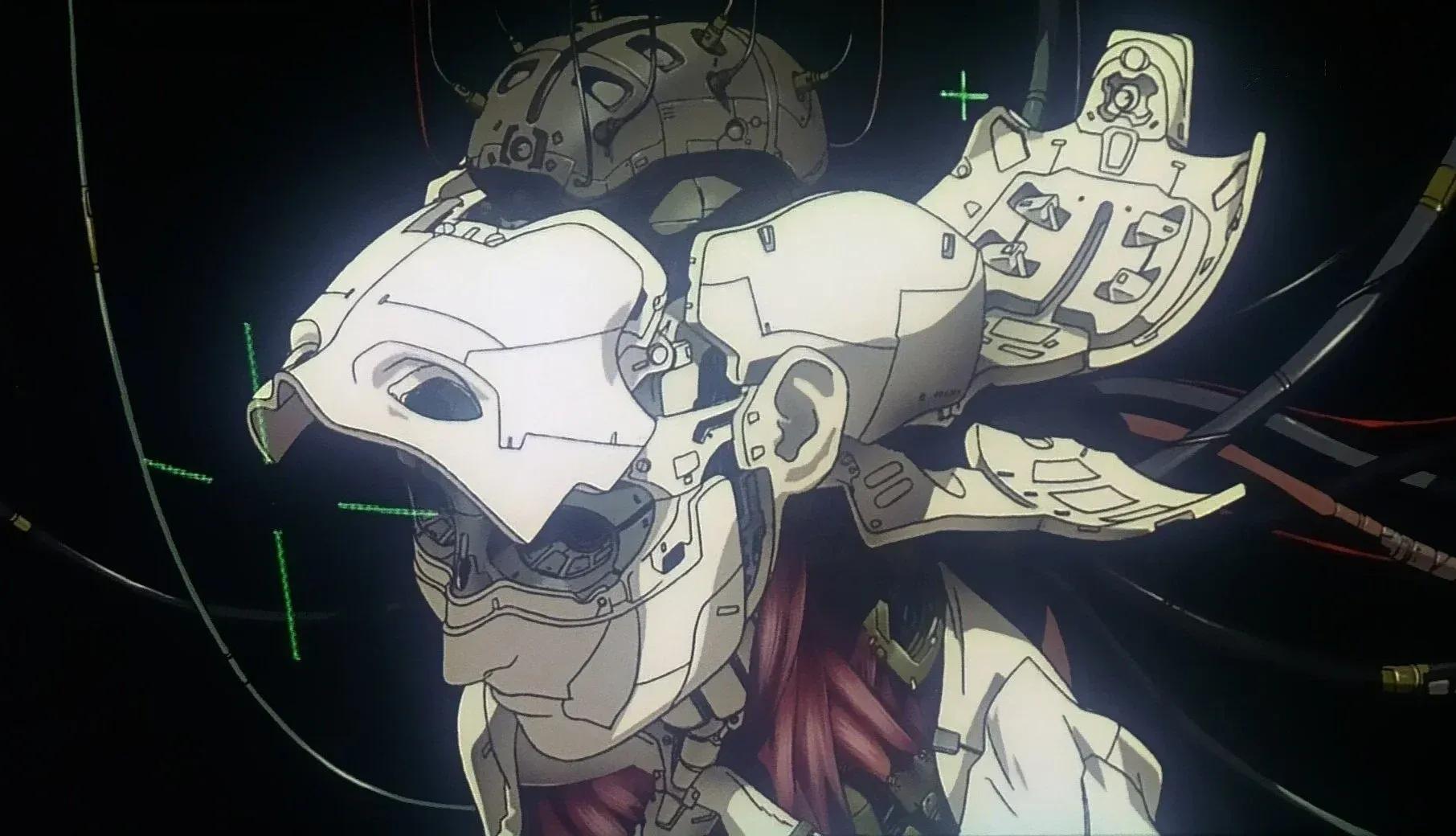
The Ghost in the Shell adaptation is currently airing on Prime Video, and the attention Mokochan is drawing from the anime community suggests his eccentric approach is landing. Whether it is the spiritual communion story or the drawing machine origin, fans are clearly paying attention to the person behind the production as much as the production itself.
What most players miss when watching anime is how much of the final product is shaped by philosophy as much as technique. Mokochan's approach is a useful reminder that the best creative work often comes from people who have stopped trying to make it about themselves. If you want to see how that same principle plays out in games, check out the Ghost of Yotei skill tree best builds guide for a look at how design philosophy shapes player experience, or browse our full gaming guides for more deep dives into the craft behind the games you play.