
The Baldur's Gate 3 gold rush convinced a lot of companies to throw money at RPG ambitions they had no real plan to sustain. Hasbro was one of them, and now the bill has arrived.
The toy and entertainment giant has confirmed it is significantly scaling back its video game investments following a $56 million loss tied directly to its expanded gaming push. The retreat comes after a period where Hasbro, riding the wave of hype generated by Baldur's Gate 3, poured resources into multiple game projects in hopes of capturing some of that same magic. Here's the thing: you can't just buy your way into a Larian-level success story.
What the $56 million actually means
This wasn't a rounding error. A $56 million loss on gaming represents a serious miscalculation in how Hasbro sized up the opportunity in front of it. The company had been betting that its deep IP library, think Dungeons & Dragons, Transformers, and a stack of beloved board game brands, could translate into hit video games if it simply invested heavily enough.
The reality is messier. Publishing and co-developing games at scale requires expertise that Hasbro was still building, and the market had shifted by the time several of its projects were deep in production. What looked like a boom period for narrative RPGs in the wake of BG3's cultural moment turned out to be a very specific lightning-in-a-bottle situation that even established studios struggle to replicate.

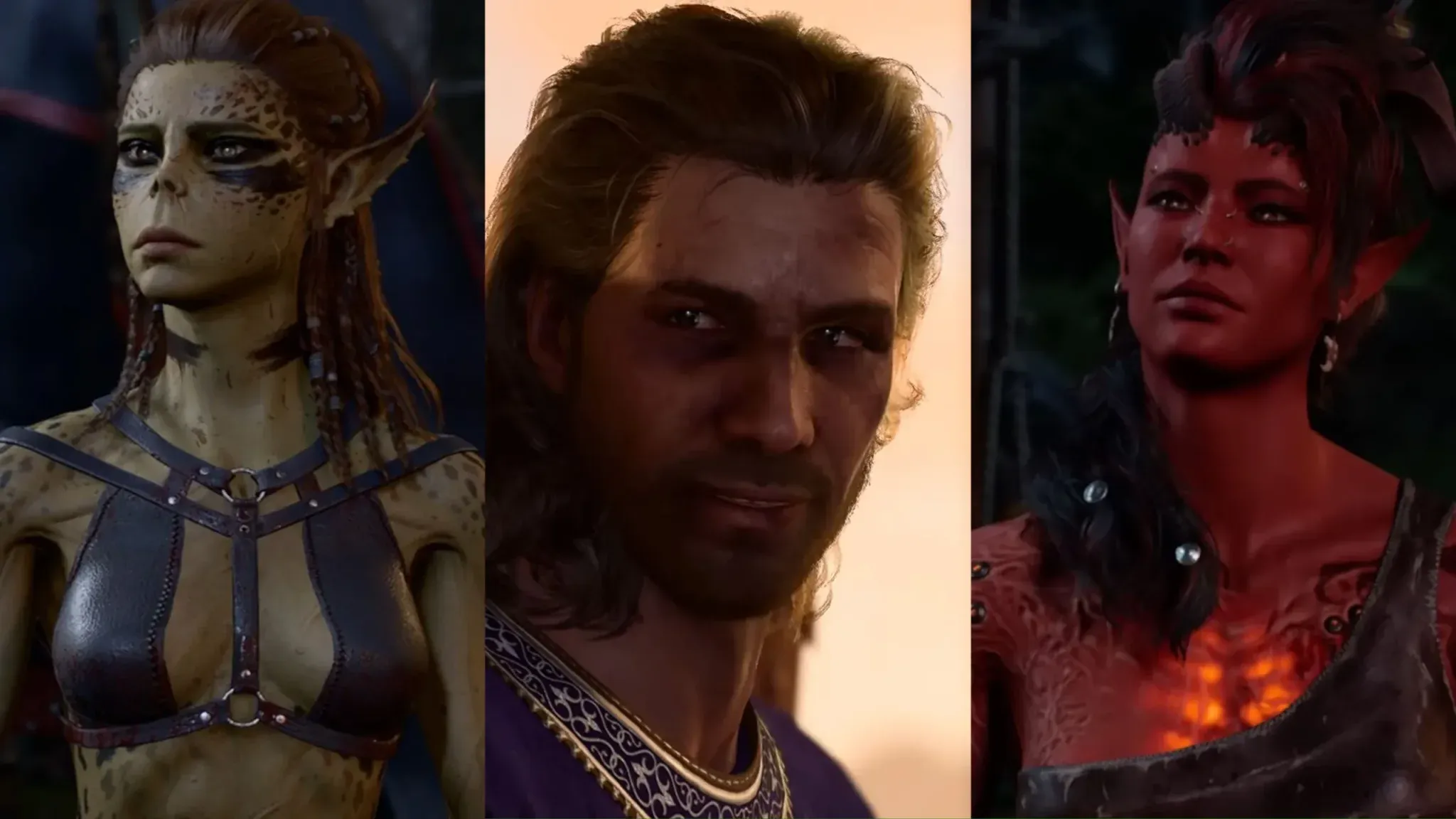
The projects that survived the cuts
Not everything is being shelved. Two titles in particular have made it through the budget review: Warlock, which draws directly on Hasbro's Dungeons & Dragons intellectual property, and Exo, an original sci-fi RPG being developed with clear Mass Effect-style ambitions baked into its design DNA.
Exo is the more intriguing of the two from a pure gaming perspective. A third-person sci-fi RPG with companion systems and narrative branching is exactly the kind of game the market has been asking for since BioWare went quiet on new Mass Effect content. Whether Hasbro and its development partners can actually deliver on that premise is the real question, but the fact that it survived the financial review suggests internal confidence in the project hasn't collapsed.
Warlock makes obvious sense as a survivor. D&D is Hasbro's most gaming-adjacent IP, and the franchise has maintained genuine momentum in the tabletop space. The challenge is making a video game that can stand alongside something like Baldur's Gate 3 in the minds of players who now have a very high bar for what a D&D-based game can be. Our in-depth review of BG3 shows exactly how high that bar has been set.
Why the BG3 comparison keeps coming up
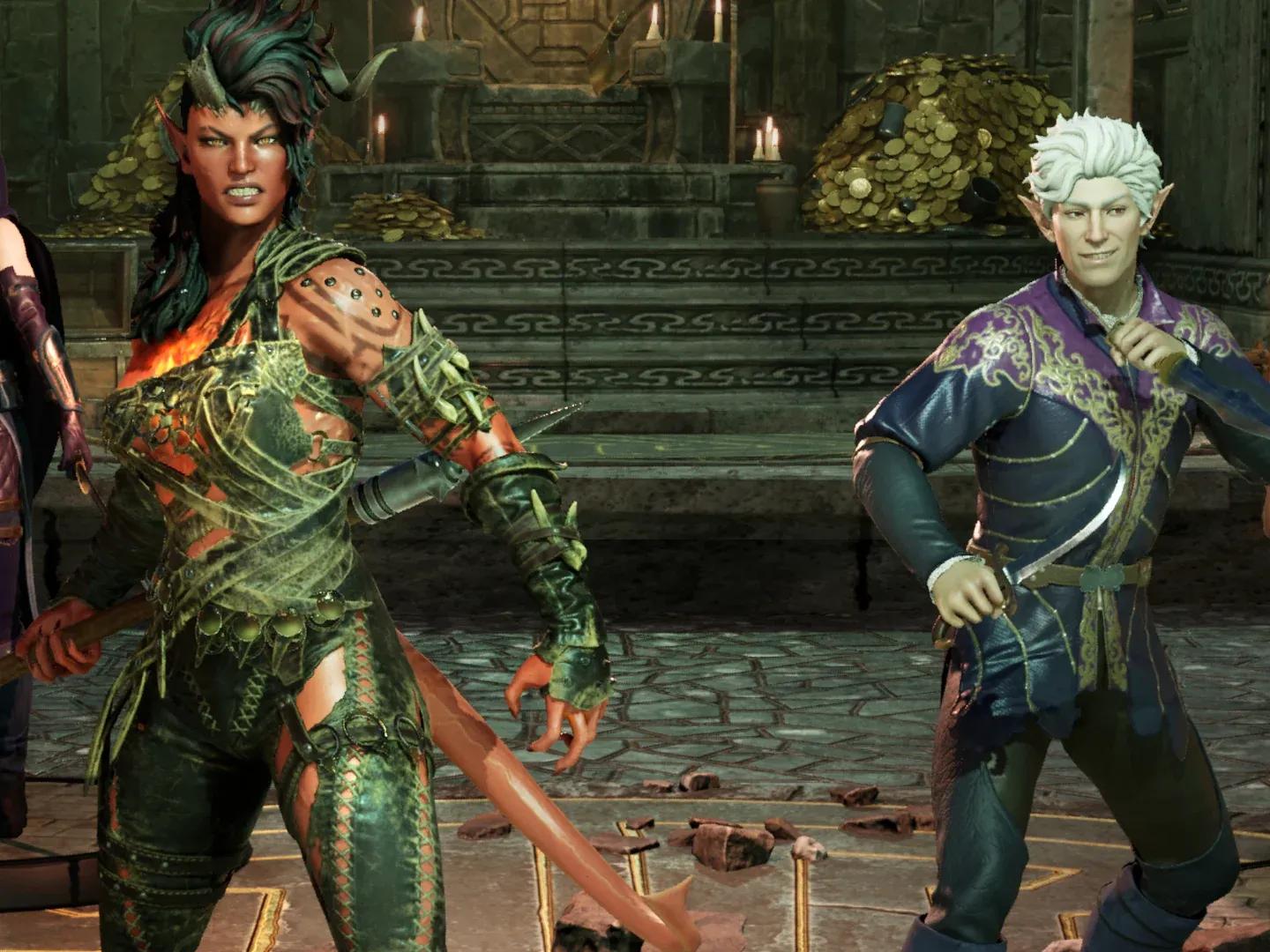
Baldur's Gate 3 didn't just sell well. It reset expectations for the entire RPG genre and, specifically, for what a D&D video game adaptation could look like. Larian Studios spent years in early access, iterated constantly on player feedback, and shipped a game so dense with systemic depth that players are still discovering interactions years later. If you want a sense of just how much is packed into that game, the best builds guide alone covers more ground than most entire RPGs.
Hasbro saw those numbers and, understandably, wanted a piece of the action. The problem is that BG3's success was the result of a specific studio with a specific philosophy executing over a very long runway. Hasbro's attempt to accelerate into that space without the same foundation is exactly how you end up posting a $56 million loss.
What this pullback means for players
For anyone who was tracking Hasbro's gaming pipeline, the honest answer is: fewer games, but potentially better-focused ones. A company that was spreading resources across too many projects and trimming down to two priority titles is not necessarily a bad outcome for the games that survive.
Warlock and Exo now carry the full weight of Hasbro's gaming credibility. Both projects will need to justify the continued investment in a way that the broader portfolio no longer can. That pressure can either sharpen a development team's focus or crush it entirely, and there's no way to know which way it falls until we see actual gameplay.
The D&D brand is resilient enough to absorb a bad game or two, but a misfire on Warlock right now, in the shadow of what Larian built, would be genuinely damaging. Hasbro knows this. The question is whether knowing it is enough to avoid it.