
Kazutaka Kodaka, the mind behind Danganronpa and The Hundred Line: Last Defense Academy, has pulled back the curtain on how risky game concepts survive inside major publishers. During a recent X AMA, Kodaka explained that developers working on unconventional ideas sometimes need to mislead their own management to keep those projects alive.
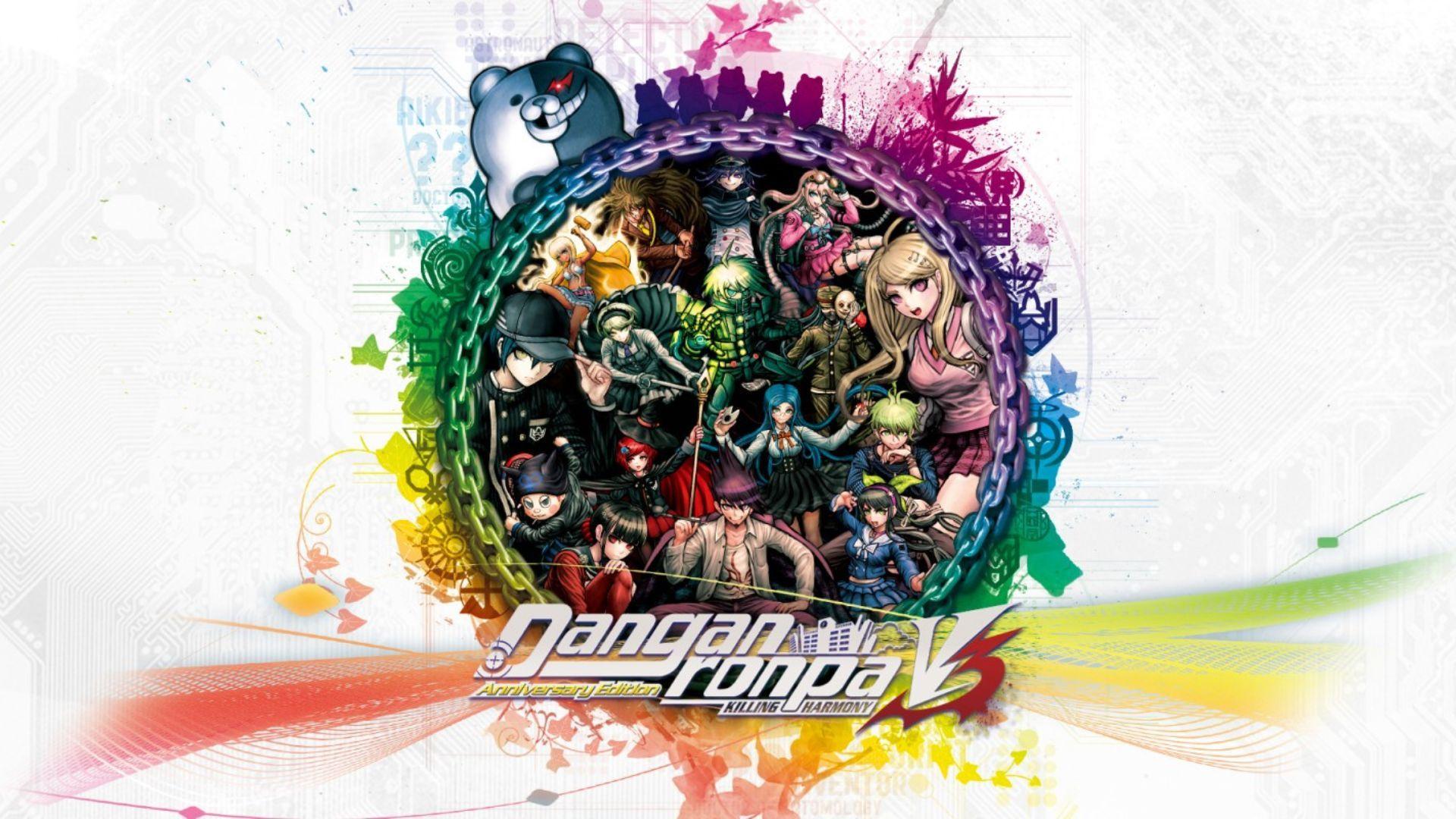
The Danganronpa games mix visual novel storytelling with murder mystery mechanics and sharp social commentary. The series drops high school students into a killing game where they investigate murders and argue their way through class trials. It's not the kind of pitch that gets greenlit easily at a big company. Kodaka's comments reveal how projects like this slip past corporate gatekeepers.
When asked how he got Danganronpa approved when most publishers chase safer bets, Kodaka said that following every rule makes creative work impossible. Developers need to look compliant on the surface while quietly building the games they actually believe in. His response suggested that creators should "use the company" and keep pushing their ideas forward, even when management expects something different.

Creative vision versus corporate structure
Big game companies run on risk reduction. Budgets are massive, timelines stretch for years, and executives prefer concepts with proven audiences. That mindset clashes hard with something like Danganronpa, which wraps anime aesthetics around courtroom battles and a plot where teenagers murder each other.
Kodaka's comments expose the gap between how corporations operate and how creative people think. Developers who just take orders rarely make anything memorable. To protect experimental ideas in systems built for predictability, some level of strategic misdirection becomes necessary.
This problem isn't unique to Danganronpa. Narrative-driven and experimental games struggle for approval because they don't fit standard sales models. Visual novels with branching paths, unusual themes, or heavy social commentary face more skepticism than action games or multiplayer shooters.
How Danganronpa challenged its own publisher
Kodaka's approach shows up most clearly in Danganronpa V3: Killing Harmony. The game includes meta commentary that questions franchise culture and the way companies endlessly recycle the same intellectual properties. The story directly examines audience consumption and the business machinery behind game development. Some players read it as a critique of publishers themselves.
Since Spike Chunsoft publishes the series, it's unusual for a game to include themes that reflect critically on corporate franchising. Those ideas made it into the final release anyway, which supports the idea that Kodaka preserved creative control even inside a large company.
Despite the internal critique, Spike Chunsoft kept expanding the brand. The publisher released Danganronpa S, a gacha-style spin-off that moved away from the traditional murder mystery format. It tried to modernize the series, but most fans consider it a weaker entry compared to the mainline visual novels.
What's next with Danganronpa 2×2
Spike Chunsoft is preparing Danganronpa 2×2, an enhanced version of Danganronpa 2. Rather than a simple re-release, the updated version includes a new "what if" scenario with additional murder cases and narrative branches.
The project gives returning players fresh content while keeping the core structure intact. It also shows how the franchise continues to evolve while balancing creative storytelling with commercial expectations. Kodaka's earlier comments suggest that many of these risks only exist because someone inside the company pushed against safer development paths.
A look at development culture in modern games
Kodaka isn't promoting dishonesty as a best practice. He's revealing how difficult it is to develop unusual games within large organizations. Corporate game development runs on market research, investor expectations, and franchise planning. Creators focus on narrative impact, mechanics, and originality. Those priorities don't always line up.
By acknowledging that gap, Kodaka explains why distinctive projects sometimes feel rare in mainstream publishing. Games like Danganronpa and The Hundred Line: Last Defense Academy exist in part because their creators found ways to navigate corporate systems without abandoning their vision.
As the industry continues to balance innovation with business stability, Kodaka's comments provide a snapshot of the realities behind getting unconventional ideas approved and released.
Make sure to check out our articles about top games to play in 2026:
Best Nintendo Switch Games for 2026
Best First-Person Shooters for 2026
Best PlayStation Indie Games for 2026
Best Multiplayer Games for 2026
Most Anticipated Games of 2026
Top Game Releases for January 2026
Frequently Asked Questions (FAQs)
Who is Kazutaka Kodaka?
Kazutaka Kodaka is a Japanese game director and writer best known as the creator of the Danganronpa series. He also worked on projects like The Hundred Line: Last Defense Academy.
What did Kodaka say about making games in big companies?
Kodaka said that strict obedience to management makes creative work difficult. Developers sometimes need to appear compliant while continuing to pursue their own ideas.
Why is Danganronpa considered risky?
Danganronpa features a murder mystery where students kill each other, courtroom-style gameplay, and heavy social commentary. Publishers consider those elements risky compared to mainstream genres.
What is Danganronpa 2×2?
Danganronpa 2×2 is an enhanced release of Danganronpa 2 that includes a new "what if" scenario with additional murder cases and story content.
Does Kodaka still work on Danganronpa projects?
Kodaka remains closely associated with the franchise's creative direction, even as Spike Chunsoft continues to expand the series with new releases and updates.