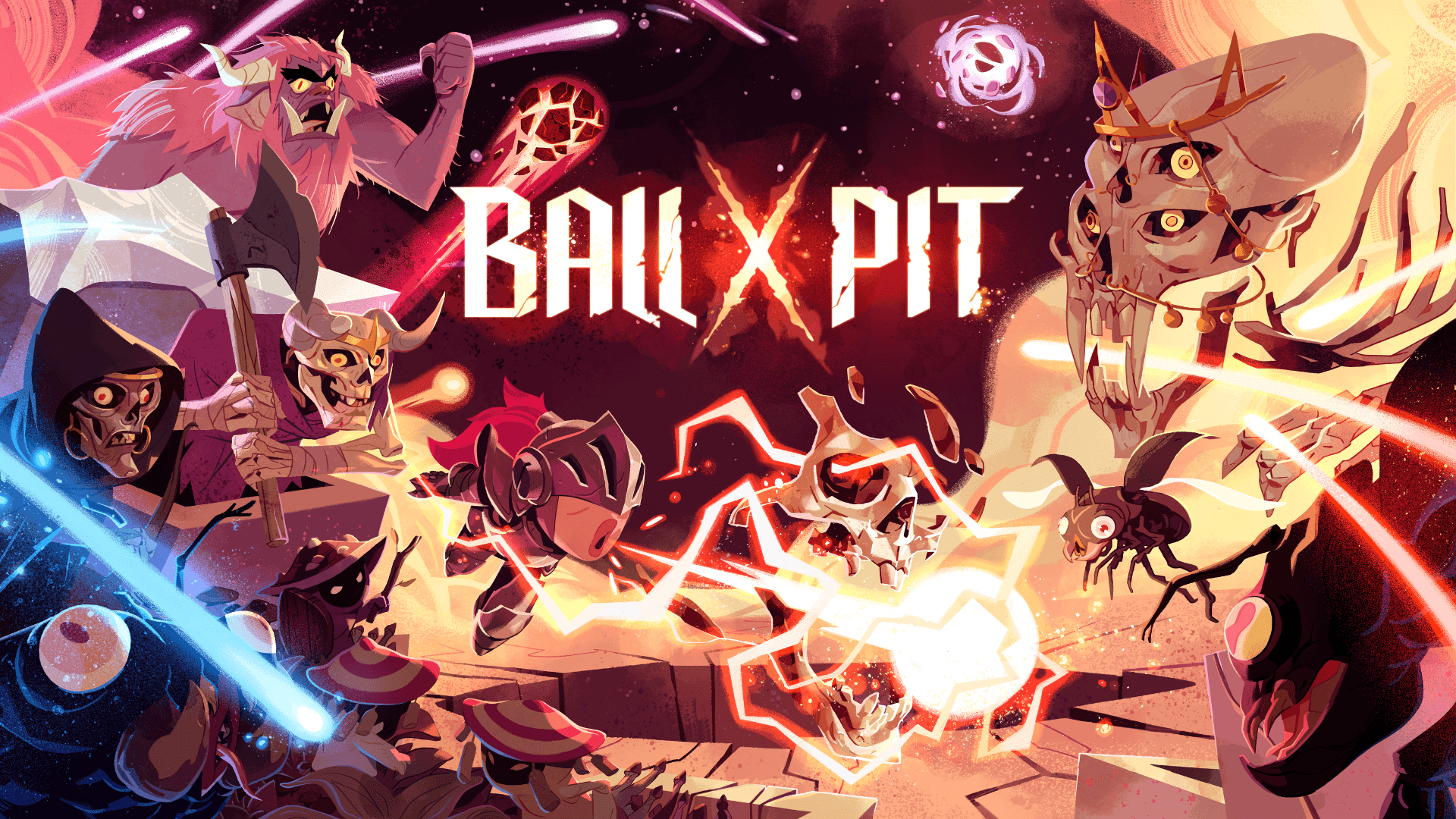

In the current gaming landscape, discovering new titles is influenced by more than just reviews or marketing. One key factor shaping player choices is sessionability, a term used to describe how easily a game can be enjoyed in short, meaningful bursts. Recent releases like Kenny Sun & Devolver’s Ball X Pit highlight how sessionable design can drive both engagement and sales.
Ball X Pit, a “brick-breaking, ball-fusing, base-building survival roguelite,” sold over 400,000 copies in its first week and peaked at 34,500 concurrent players on Steam. Meanwhile, Double Fine & Xbox’s Keeper, an “atmospheric puzzle adventure,” peaked at just 191 concurrent players on the same platform despite strong press coverage. Sessionability appears to play a significant role in this difference.
How Short Play Sessions Affect Player Decisions
Games like Ball X Pit are structured around brief, consumable sessions. A single run takes roughly 15 minutes and allows players to complete core objectives, upgrade abilities, and explore new strategies. Beyond the immediate run, the game includes a base-building metagame that offers long-term progression. This combination lets players achieve a sense of accomplishment even during short play periods.
Linear games such as Keeper, by contrast, often require longer play sessions to experience the full narrative. Players may delay purchase or avoid recommending the game until they have completed it, reducing the game’s organic visibility and word-of-mouth growth. The limited potential for demo versions further restricts exposure, as demos may fail to capture the full story or experience.


Sessionability and Player Retention
Short, repeatable sessions can also impact perceived value. Even a couple of hours in a sessionable game can feel substantial due to incremental progression and varied gameplay runs. This creates a sense of satisfaction and encourages players to share their experience with others, increasing the likelihood of discovery.
Many sessionable games incorporate mechanics inspired by gambling, though without real monetary risk. Veteran developer Paul Kilduff-Taylor has noted the prevalence of gambling-adjacent user experience patterns in contemporary titles. Games like Ball X Pit or Balatro use these mechanics to keep players engaged through incremental rewards and short, repeatable runs. The combination of sessionability and subtle hooks strengthens retention while maintaining transparency about game mechanics.
Platform Context and Subscription Gaming
Subscription services like Xbox Game Pass also interact with sessionability. While Keeper had lower performance on Steam, it maintains a strong player base on Game Pass, where subscribers are less concerned with “$ per hour” value and more focused on narrative and exploration. This demonstrates how pricing models and platform context can amplify or mitigate the impact of sessionable design on player engagement.
Relevance to Web3 Gaming
In the growing web3 gaming space, we have established ourselves as a key platform for discovery, engagement, and community building. Operating as a web3 gaming superapp, our platform curates and produces a wide range of content, including game reviews, strategy guides, news, quests, and annual GAM3 Awards. Over the past three years, our platform has grown significantly, supported by strong partnerships with game developers and a highly active user community.
With more than 1,000,000 registered users, we are focused on enhancing the overall web3 gaming experience and attracting more web2 gamers to the space. Our development has been driven by an experienced and agile team that continues to introduce new features designed to simplify web3 onboarding. By helping users navigate this evolving space and engage with games in new ways, we have become a central hub for those interested in blockchain-based gaming experiences.
The Future of Game Discovery
Sessionable design is becoming an increasingly important factor in how games are discovered and recommended. Titles that allow for short, meaningful play sessions with long-term progression tend to attract attention more effectively and sustain player interest. As the gaming market becomes more crowded, understanding sessionability could be crucial for both developers and players navigating new releases.
Source: GameDiscoverCo
Frequently Asked Questions (FAQs)
What is sessionability in games?
Sessionability refers to how easily a game can be enjoyed in short, repeatable play sessions while still providing a meaningful experience. It often includes incremental progression or rewards that keep players engaged.
Why does sessionability matter for game discovery?
Games that are sessionable encourage players to play more frequently and share their experiences. This boosts word-of-mouth recommendations and can increase visibility on platforms like Steam or Xbox Game Pass.
How does sessionability differ from linear game design?
Linear games typically require longer play sessions to experience the full narrative or complete objectives. Sessionable games allow players to achieve progress and satisfaction even in short bursts.
Do sessionable games use gambling mechanics?
Some sessionable games incorporate mechanics inspired by gambling, such as incremental rewards or randomized upgrades, but without real-world monetary risk. These mechanics are designed to enhance engagement rather than promote gambling.
Does platform affect sessionability’s impact?
Yes. Subscription services like Game Pass can mitigate concerns about cost per hour, allowing narrative-focused or linear games to find a larger audience, while sessionable games thrive in both subscription and traditional sales environments.