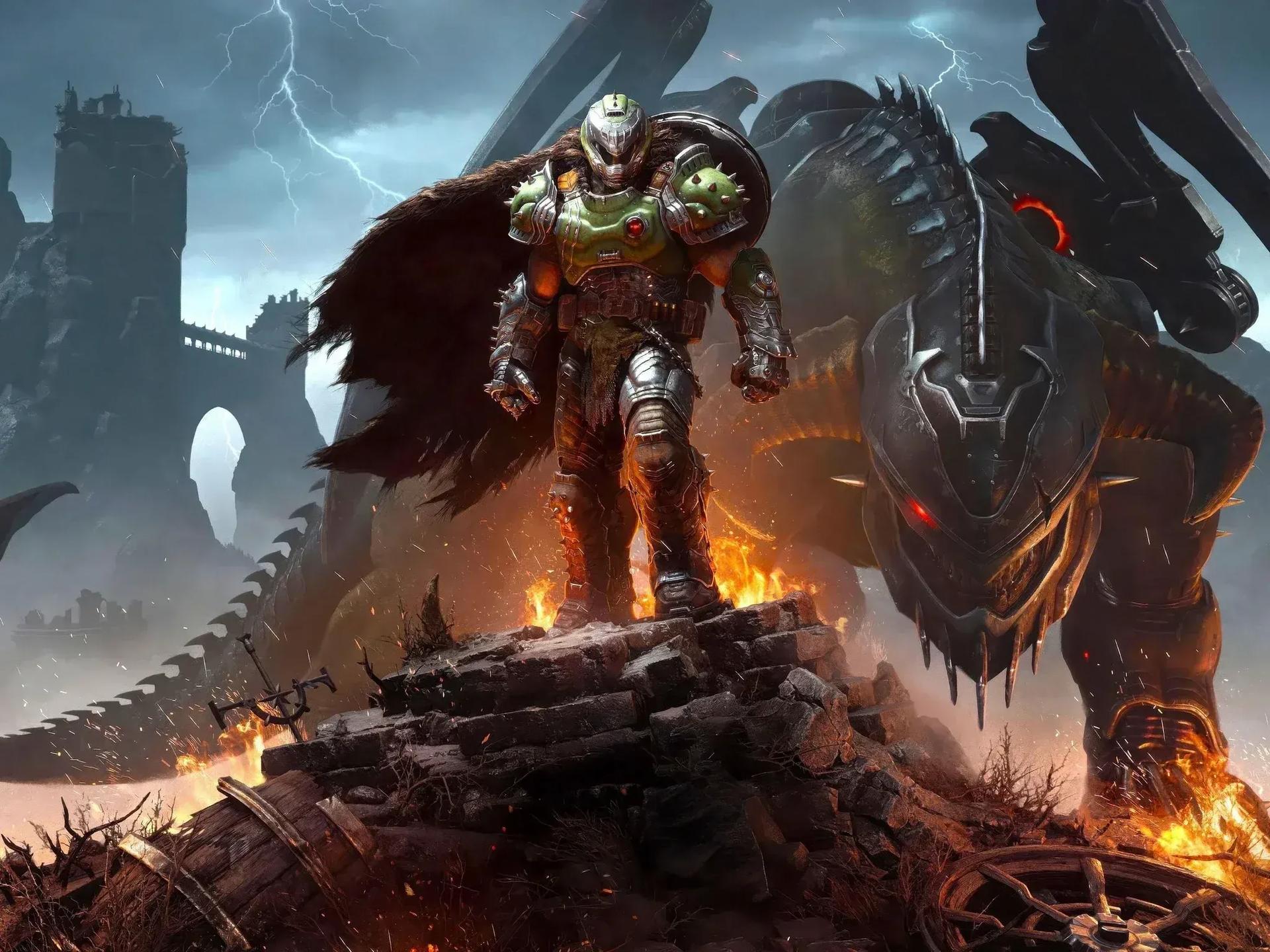

The numbers tell a brutal story. Microsoft cut 136 of id Software's 185 developers in a single wave of layoffs, and the people who actually built and maintained the studio's proprietary id Tech engine are now speaking out. Their message is not optimistic.
For fans of Doomsday and the broader Doom lineage, the situation raises uncomfortable questions about what comes next for one of gaming's most storied franchises.
What the people who built id Tech are actually saying
The studio released a statement on social media after the layoffs went public, attempting to reassure fans. "While our studio was impacted, those changes were spread across teams. We still have the crew we need to build the games and tech we're known for," the post read, drawing a comparison to the team size during Doom 2016's development.
Here's the thing: that comparison does not hold up under scrutiny. Game development costs have scaled dramatically since 2016. The team that shipped Doom 2016 was operating in a different financial and technical reality than any studio attempting a AAA release today.
More pointedly, the developers who lived through these cuts are not buying the reassurance. One former staff member described the damage to id Tech's future in stark terms: "They've just gotten rid of all the people who could ever fix, maintain, or change [id Tech], so it's most likely going to end up in the trash can." Another put it even more directly, saying "the institutional knowledge on the id Tech side is immense" before concluding, "I cannot imagine a path forward where they make another game in id Tech."
Former principal VFX artist Derek Best framed the broader situation as Microsoft's strategy of "nuking a team into the dirt and relegating them to support studio size."
The engine question nobody at Xbox is answering
Id Tech is not just the engine behind Doom. Machine Games, the studio behind the Wolfenstein series, also builds on id Tech. Cutting the people who maintain and evolve that engine does not just affect id Software's future projects, it potentially strains every studio in the Bethesda family that depends on the same underlying technology.
Microsoft did respond to reports suggesting only one person remained at the Texas studio working on id Tech, clarifying that "dozens across multiple locations" are involved. What they did not clarify is how many of those people have the deep, years-long familiarity with the engine's architecture that the laid-off developers carried with them out the door. Headcount and expertise are not the same thing.
The gap between the statement and the reality on the ground
What most players miss when reading corporate statements after layoffs is that the people writing those statements and the people who actually build the games are rarely the same. The id Software post may be technically accurate in terms of headcount, but headcount does not capture what walks out the door when senior engineers and engine specialists are let go.
The key here is institutional knowledge. An engine like id Tech is not a piece of software you can hand to a new hire and expect them to maintain at the same level within a reasonable timeframe. The developers who built the renderer, the physics systems, the tooling, they carry years of undocumented context that no wiki or codebase comment can fully replace.
One affected developer put the broader Microsoft relationship plainly: "Does Microsoft care? Absolutely not. And they seem to actually put some level of effort and care into making it as painful as possible."
That is not the kind of sentiment you hear from people who feel their studio still has a real future.
What this means for Doom's next chapter
Bethesda's stated intention to keep Doom, Quake, and Wolfenstein among its priority franchises sits in direct tension with gutting the team that makes those games possible. If id Tech genuinely cannot support another full game without the people who maintained it, Bethesda faces a choice: rebuild that expertise from scratch, switch to a different engine, or quietly shelve those franchises regardless of what the press statements say.
For players keeping tabs on what comes after Doom: The Dark Ages, the picture right now is genuinely unclear. The franchise has earned its place in gaming history, and the community that grew up with it deserves more transparency about what Microsoft actually plans to do with it. Check out the Doomsday guides collection for deeper context on the series, or browse the full gaming guides hub while the situation at id Software continues to develop.