


Use code TRYHARD33 at checkout to redeem this offer before code expires again.
Get 33% Off GAMES+ Subscription
Intel goes handheld, wallets go into hiding
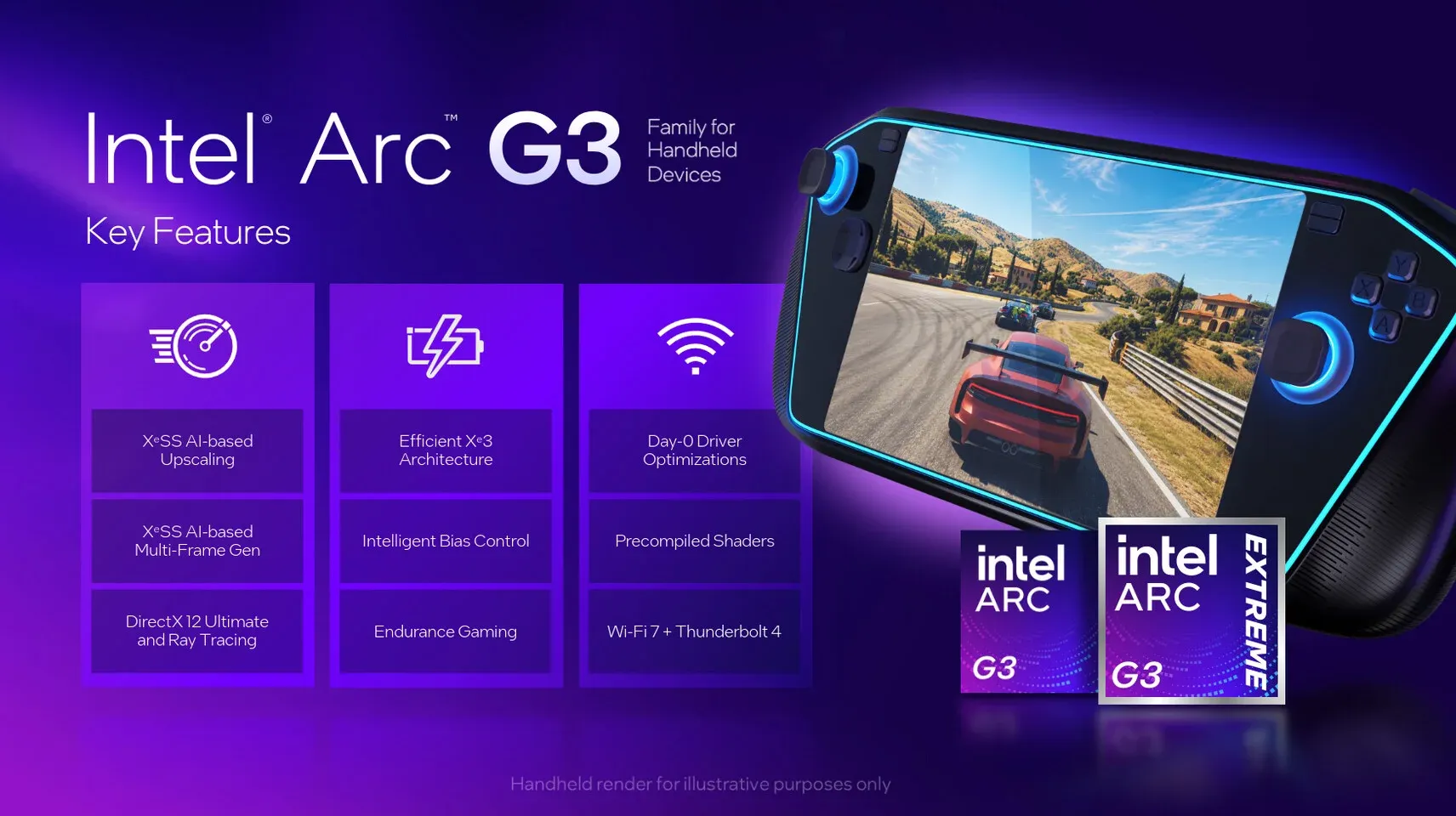
Intel has announced the Arc G3 and Arc G3 Extreme, a pair of Panther Lake-based chips targeting handheld gaming PCs. On paper, the specs sound genuinely exciting. In practice, the pricing signals coming out of early retailer listings are enough to make anyone's eyes water.
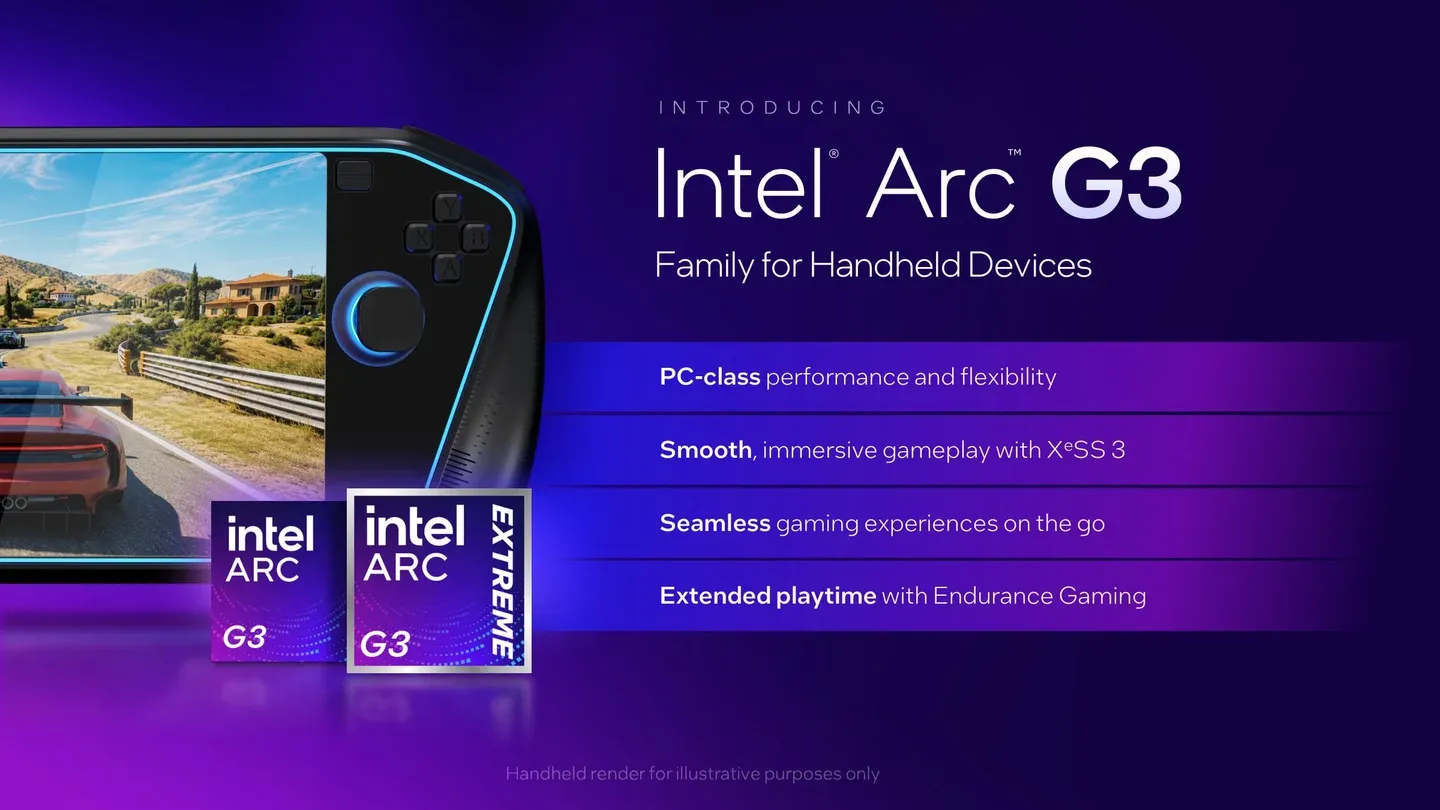
Intel Arc G3 Extreme reveal
Retailer listings in Australia and EU markets for MSI Claw handhelds running the Arc G3 Extreme have already surfaced, with prices translating to around $1,800 USD or more. And here's the thing: those are launch prices. If recent history tells us anything, the number only goes up from there.
The price spiral that got us here
The handheld gaming PC market has been quietly pricing itself out of reach for a couple of years now. The Asus ROG Xbox Ally X landed at $1,000. The Lenovo Legion Go S felt expensive at launch and still does. The MSI Claw 8 AI+ A2VM, which runs Intel's current Lunar Lake silicon, launched at $900 for the 1 TB, 32 GB configuration and has since climbed well past $1,000 at retail.
None of those prices aged well.
The real gut punch came recently when Valve raised the price of the Steam Deck OLED to $949 for the 1 TB model, up from $649. Valve's handhelds were the last line of defense for budget-conscious portable gaming. That defense has now officially crumbled. Valve pointed to component costs and global logistical pressures as the reason, which is honest, but not exactly comforting.
Why everything costs more right now
The timing is not a coincidence. Memory shortages driven by AI industry demand have pushed RAM and storage prices to painful levels across the board. Geopolitical instability has squeezed supply chains for key components. The Phison CEO has reportedly warned that some consumer electronics manufacturers could exit product lines entirely or face bankruptcy by the end of this year because of the memory crisis.
That context matters a lot when you see a $1,800 listing for a handheld and wonder whether it is a fluke or a forecast.
For Intel specifically, the Arc G3 generation represents a real step forward in handheld chip design, built on the Panther Lake architecture. The performance ambitions are legitimate. But ambition and affordability are two very different things, and the market conditions right now do not favor the latter.
What this means for anyone shopping for a handheld
The handheld PC space used to make a compelling argument against buying a dedicated gaming console or even a mid-range desktop. That argument gets harder to make every few months. At $1,800, you are firmly in high-end gaming laptop territory, and laptops at that price offer significantly more raw performance, a larger screen, and better cooling.
The key here is that these are not just premium products asking for a premium price. The floor of the entire category is rising. Even the most accessible handheld on the market just got $300 more expensive overnight.
For anyone keeping tabs on the handheld space, check out our game reviews to see how current-gen titles perform across different hardware configurations, and our gaming guides for help getting the most out of whatever portable setup you already own.
No official launch window or confirmed pricing for Arc G3-based handhelds has been announced yet. The retailer listings that have surfaced are pre-release, so there is still a slim chance final pricing lands lower. Given everything pointing in the opposite direction right now, that would be a welcome surprise.