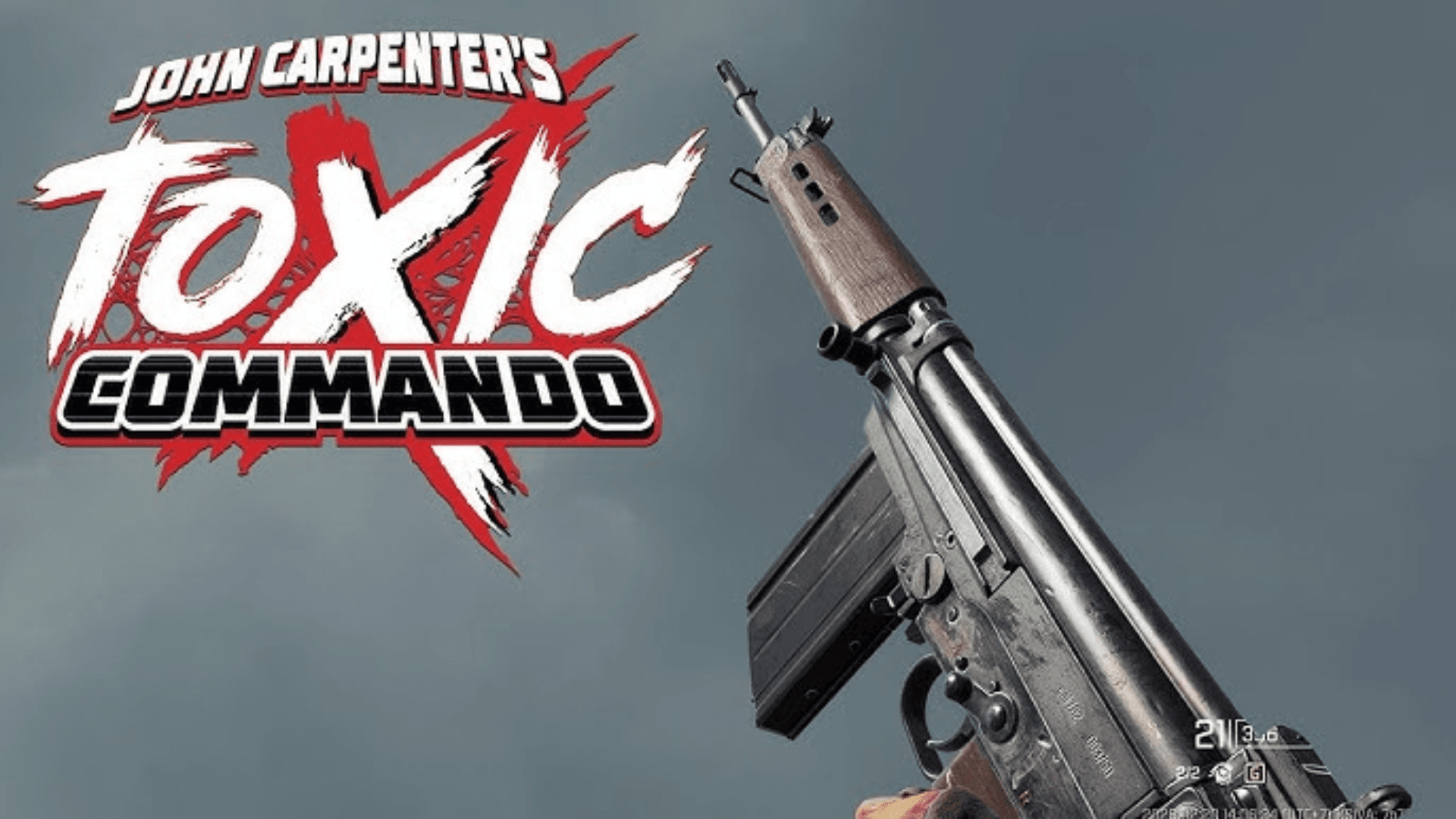


Playing John Carpenter's Toxic Commando solo presents a different experience compared to joining a cooperative squad. While the game is designed around teamwork, AI-controlled companions fill the gaps for solo players. These AI allies are competent, but they rely on the player for direction, resource management, and strategic targeting. Surviving solo requires planning, situational awareness, and careful use of resources.
Balancing Resource Management
Spare Parts are central to survival in solo play. They are used for repairing gates, constructing defensive turrets, and deploying traps at mission objectives. Each character can carry only one set at a time, which makes efficient allocation essential. Players can direct their AI squad to use Spare Parts when needed, and instruct them to pick up supplies from crates scattered across the map. Learning to prioritize when and where to use Spare Parts, especially during high-pressure defense segments, is key to maintaining control during intense encounters.
Scavenging for Essential Supplies
The open-ended level design encourages exploration, which becomes even more critical for solo players. Moving directly toward the objective may leave valuable resources uncollected. Players should take the time to investigate alternate routes and mark items for their AI companions. Heavy weapons, vehicles, and medical supplies are dispersed throughout the maps, and AI allies will only pick up equipment when instructed. Prioritizing resource collection early in the game helps establish a stronger footing in subsequent missions and provides an advantage in tougher encounters.
Vehicles as Strategic Assets
Due to the size of each map, vehicles play a central role in solo survival. Securing a car early in a mission allows players to navigate the environment more quickly and provides a safe point from which AI companions can fire at approaching zombies. Vehicles with winches can assist in completing certain objectives, while models equipped with turrets offer additional firepower during defense sections. Beyond mobility, cars serve as a temporary safe haven during overwhelming combat, giving players time to regroup and reposition their squad effectively.
Weapon Choices for Solo Combat
While the game offers a wide variety of weapons, solo players benefit from reliable, versatile options. Weapons such as assault rifles and submachine guns allow for quick reloads and consistent crowd control, which helps manage large groups of enemies without over-relying on AI teammates. More specialized weapons, including shotguns and sniper rifles, can leave players vulnerable if enemies approach while reloading. When facing stronger enemies, solo players can use the ping system to direct AI fire, ensuring dangerous targets are eliminated efficiently.
Choosing the Right Class for Solo Play
Not all classes in John Carpenter's Toxic Commando are equally effective when playing alone. Support-oriented classes like Medic provide crucial aid in co-op but may struggle without human teammates. For most solo players, the Strike class offers a balanced approach with its explosive default ability that clears groups of enemies quickly, particularly during defense segments. The Operator class becomes a viable alternative once players are familiar with mission flow, as its drone provides automated damage and additional distractions for enemies. Evaluating the skill tree and adapting to the strengths of AI allies ensures the chosen class complements solo strategies effectively.
Upgrading Gear with Sludgite
Sludgite is the primary material used to enhance weapons and abilities. Players can locate Sludgite crystals scattered across the map or in designated zones marked by Sludge Seeds, which often contain a high density of resources but come with increased enemy resistance. Vehicles can help navigate these hazardous areas safely. Since there is no limit to how much Sludgite a player can carry, missions can be replayed to farm materials for continuous upgrades. Accumulating Sludgite and unlocking abilities over time strengthens the player's loadout and prepares them for higher-difficulty missions.
Learning the Flow of Solo Missions
Success in solo play often comes from familiarity with mission layouts and enemy behavior. Replaying earlier missions not only provides opportunities to farm Sludgite and Spare Parts but also allows players to refine their strategies. Understanding when to explore, when to defend, and how to utilize AI companions effectively reduces the likelihood of being overwhelmed. Over time, incremental upgrades and tactical experience make it possible to approach higher difficulty levels with a better-equipped and better-prepared squad.
Make sure to check out our articles on gaming gadgets:
Best Apple Products for Gaming
Best Nintendo Switch Accessories
Best Gaming Androids (phones)
Frequently Asked Questions (FAQs)
Can John Carpenter's Toxic Commando be played solo?
Yes, the game can be played solo, with AI companions filling the other squad roles. Success depends on managing resources and giving proper orders to AI allies.
What class is best for solo play?
The Strike class is generally recommended for beginners due to its explosive default ability, which helps control large groups of enemies. The Operator class is effective once players are familiar with mission mechanics.
How do I manage Spare Parts efficiently?
Players should save Spare Parts for critical defense sections and direct AI companions to use their own when necessary. Instructing allies to pick up crates ensures resources are not wasted.
Where can I find Sludgite?
Sludgite crystals are scattered across each map and are also found in zones marked with Sludge Seeds. These areas contain more resources but usually present higher enemy density.
Which weapons work best for solo missions?
Assault rifles and submachine guns are the most versatile for solo play, offering quick reloads and effective crowd control. Specialized weapons like shotguns and sniper rifles can leave players vulnerable without human teammates.
Do vehicles help in solo play?
Vehicles are highly useful for mobility, defense, and completing objectives. Cars equipped with turrets provide additional firepower, and vehicles with winches are necessary for certain tasks.