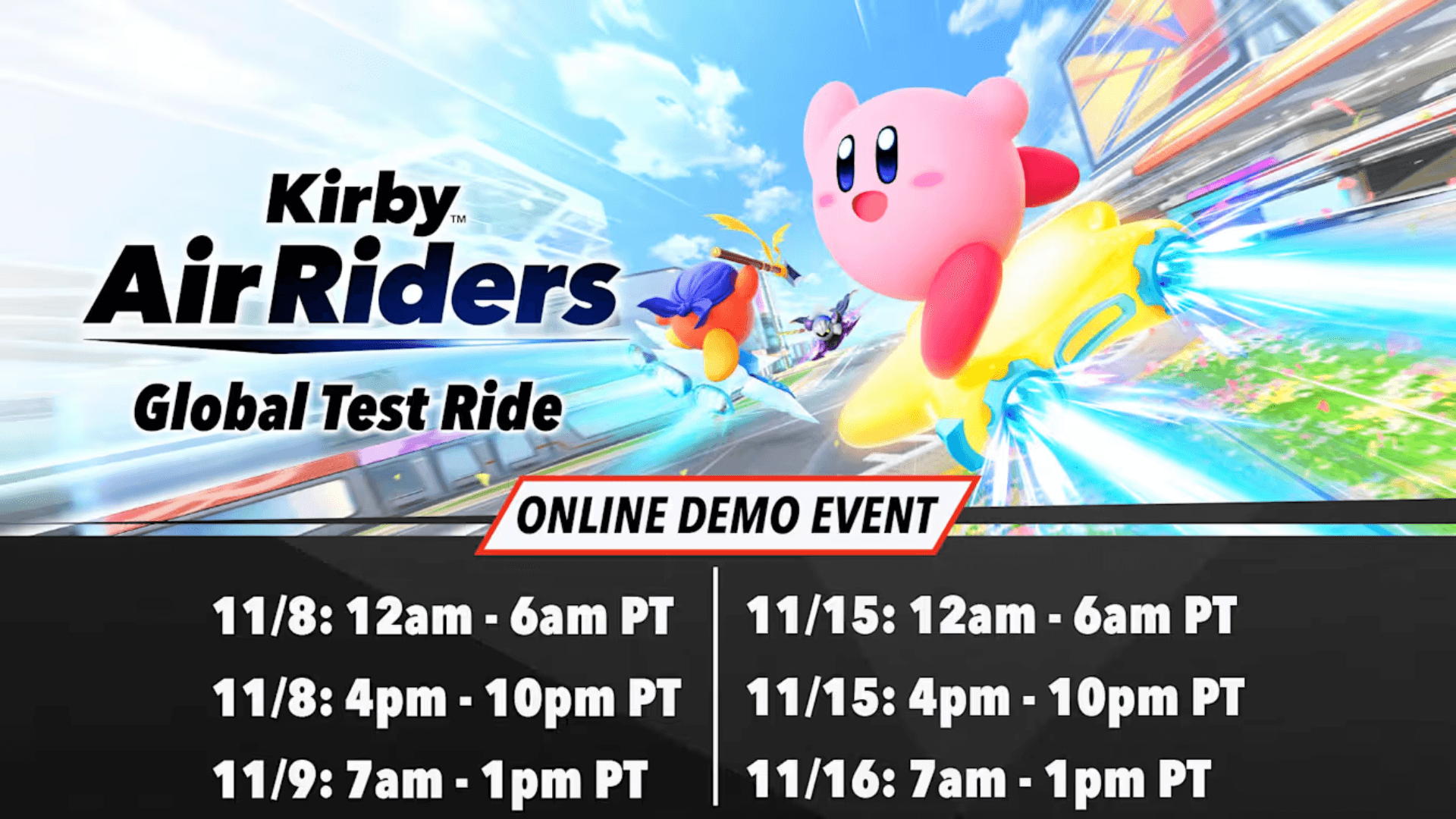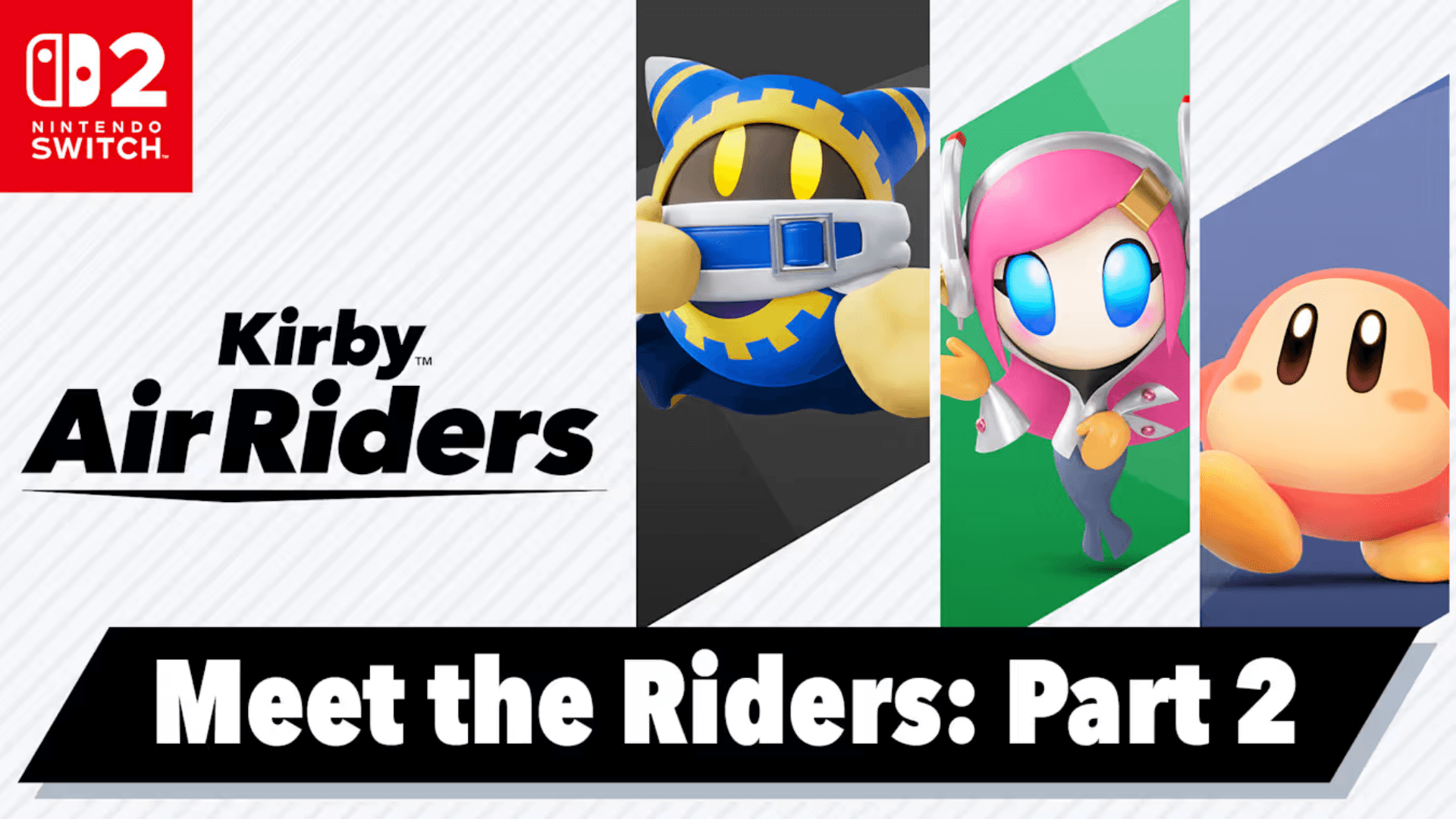


Director Masahiro Sakurai recently shared detailed insights into the development of Kirby Air Riders for Nintendo Switch 2. The discussion focused on City Trial, the Skyah map, and how the team approached balancing gameplay for up to 16 players. Sakurai’s commentary provides a window into the careful design decisions behind the game’s core mechanics and multiplayer experience.
Building Skyah from the Ground Up
During the early design phases, the development team considered bringing back the map from the previous game, Kirby Air Ride. Sakurai explained that while the idea was explored, the team ultimately decided it was not feasible due to the increased complexity and demands of the new game. Unlike its predecessor, Kirby Air Riders supports up to 16 players simultaneously, which required significant changes to balance, machine power-ups, and item acquisition rates.
The Skyah map was created from scratch to accommodate these changes. Sakurai highlighted that even small adjustments, such as slightly increasing machine speed, could necessitate recalculating field dimensions, verticality, and spacing between areas. Unlike the original game, where Sakurai alone set the machine parameters, the development of Air Riders involved a team deeply engaged in balancing. This collaborative approach ensured that the map maintained consistency while allowing for dynamic gameplay experiences.
Encouraging Player Experimentation
The design of City Trial emphasizes flexibility in gameplay. Instead of introducing constantly changing terrain or weather effects, the team focused on creating distinct areas within the Skyah map that foster different strategies. Open, flat sections allow for easy item collection but also expose players to attacks from multiple angles. Underground areas, in contrast, have more linear paths that reduce vulnerability but may contain fewer resources.
Sakurai explained that the goal was to let players experiment with strategies and see the results in real time. There is no single “best” approach to winning, which keeps each match feeling unique. Players might try to reach a floating island or focus on upgrading land-based machines, but outcomes depend on the actions of other players and the state of the map. This improvisational element is central to City Trial’s design, offering a mix of tactical planning and situational decision-making.
Expanding Event Mechanics
In the previous game, City Trial events were limited by tight development schedules. Simple effects, such as dense fog, could still create unexpected moments, but the team wanted to expand these mechanics for Air Riders. For the new game, a dedicated team focused on events like Dustup Derby and Short Race, which are contained to specific areas and conclude once objectives are resolved. These structured events differ from earlier iterations and allow for more controlled yet dynamic gameplay moments.
Sakurai noted that while limitations still exist, the expansion of event mechanics contributes to a more engaging experience. Players encounter challenges that vary by area, creating a sense of unpredictability without relying on random terrain changes.
Multiple Paths to Victory
The Stadium system in Kirby Air Riders offers players four different competition options at the end of City Trial sessions. This design ensures that machine upgrades remain meaningful and allows different playstyles to succeed. Players are not restricted to a single strategy, and success depends on adapting to the chosen event.
Sakurai emphasized that this approach makes multiplayer matches more accessible. Even if a player falls behind in item collection or machine power-ups, the system provides opportunities to compete. The variety in event types encourages experimentation and contributes to the game’s replayability, ensuring that each match presents new challenges and outcomes.
Balancing for Online Multiplayer
Creating a multiplayer experience that works both offline and online presented unique challenges. Sakurai pointed out that online play can be discouraging for less experienced players, but the design choices in Air Riders aim to mitigate this. By offering multiple events, strategic options, and adaptable maps, players can progress without needing perfect performance in every session. This approach supports both casual and competitive players while maintaining a sense of unpredictability that keeps each match engaging.
Make sure to check out our articles on gaming gadgets:
Best Apple Products for Gaming
Best Nintendo Switch Accessories
Best Gaming Androids (phones)
Frequently Asked Questions (FAQs)
What is City Trial in Kirby Air Riders?
City Trial is a core mode where players explore the Skyah map, collect items, upgrade their machines, and compete in events that appear throughout the field. Each session is designed to encourage flexible strategies rather than a single dominant approach.
How many players can play Kirby Air Riders at once?
The game supports up to 16 players simultaneously, which influences balance, map design, and item distribution.
What is the Skyah map?
Skyah is the main map for City Trial, designed from scratch for Kirby Air Riders. It contains a mix of open spaces, underground areas, and buildings to provide diverse strategic opportunities.
How are events handled in City Trial?
Events like Dustup Derby and Short Race occur in specific areas of the map and conclude once objectives are completed. They are designed to provide dynamic gameplay moments without relying on random terrain changes.
What makes Stadium mode unique?
Stadium mode offers four different competition options at the end of City Trial sessions, allowing players to leverage their machine upgrades in multiple ways and ensuring a variety of outcomes.
Can casual players compete in online matches?
Yes. The game’s design allows players to progress and enjoy matches even without optimal performance, balancing challenges for both casual and competitive players.