

Use code TRYHARD33 at checkout to redeem this offer before code expires again.
Get 33% Off GAMES+ Subscription
Sony confirms the disc era ends in 2028
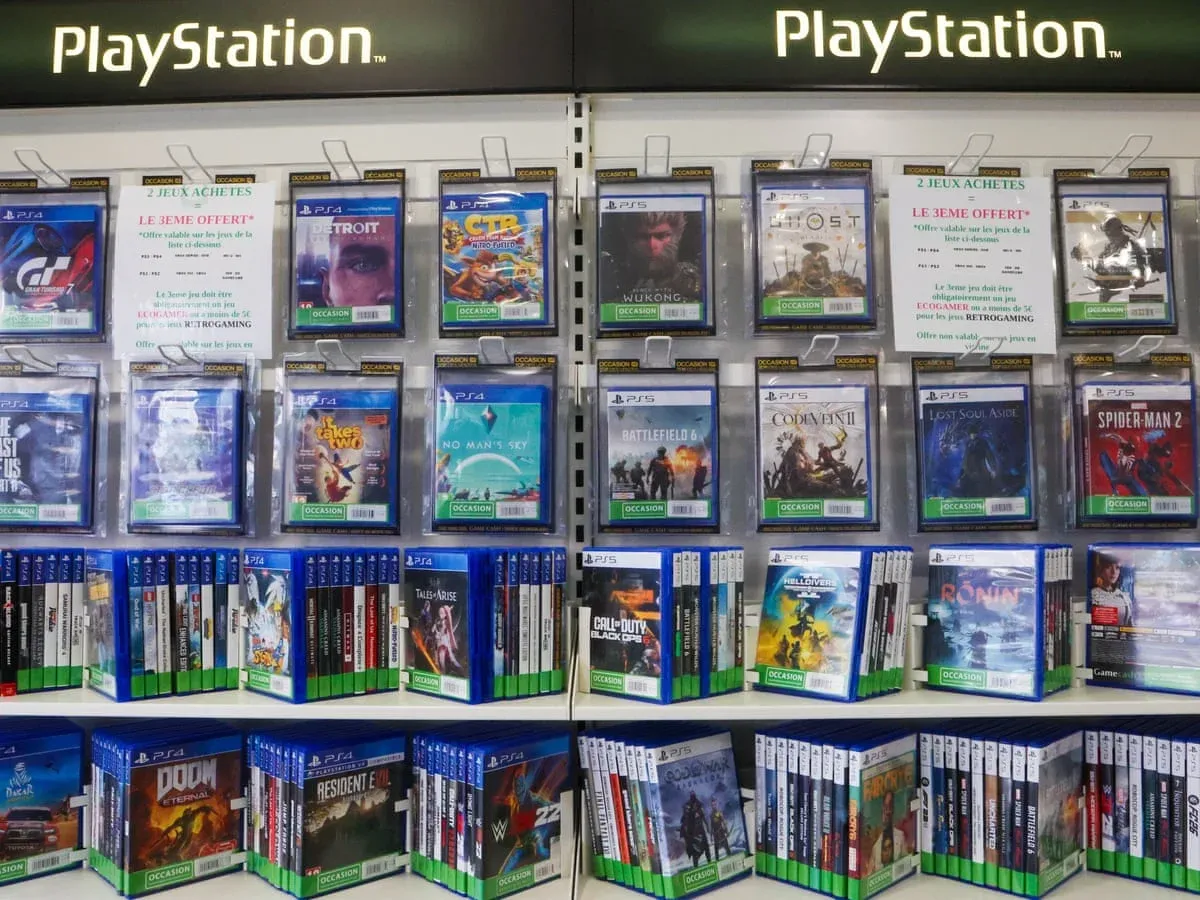
Sony has confirmed that PlayStation will stop producing physical discs for new games in 2028, citing a significant shift in consumer preference toward digital media. The announcement landed like a punch to the gut for physical game collectors, and it immediately sent people digging through old social media posts looking for anyone who saw this coming.
They didn't have to look far. Hideo Kojima did.
The tweet that aged like fine wine
Back on August 5, 2021, Kojima posted a tweet that's now getting thousands of new replies, quotes, and retweets. "Eventually, even digital data will no longer be owned by individuals on their own initiative," he wrote. "Whenever there is a major change or accident in the world, in a country, in a government, in an idea, in a trend, access to it may suddenly be cut off. We will not be able to freely access the movies, books, and music that we have loved. I would be a have-not. That's what I'm afraid of. This is not greed."
Here's the thing: he wasn't even talking about games specifically. The concern was broader, covering all digital media. But the PlayStation disc news dropped, and suddenly a five-year-old tweet reads like a roadmap to exactly where the industry is heading.
Kojima has built a reputation for this kind of thing. Death Stranding arrived in 2019 and painted a picture of a fractured, isolated society where human connection had become transactional and dangerous. Within a year, the COVID-19 pandemic made that fictional world feel uncomfortably familiar to everyone on the planet. Metal Gear Solid 2, released all the way back in 2001, predicted a future where AI systems curate and distort information at scale. Both of those felt like sci-fi at release. Neither feels like sci-fi now.
PT and the most brutal example of digital impermanence
Kojima is also personally connected to one of the starkest real-world examples of what happens when a publisher decides a digital game no longer exists. PT, the playable teaser for the cancelled Silent Hills project, was pulled from the PlayStation Store after Kojima's split from Konami. That much was expected. What made it genuinely alarming was that Konami also blocked users who had already downloaded PT from redownloading it, meaning even people who "owned" it lost access.
That's not a hypothetical future scenario. That already happened.
The survival horror genre has been grappling with preservation questions for years. If you're interested in what modern horror games look like before committing, the Hollowbody before you buy guide breaks down what to expect from one of the more interesting recent entries in the space.
What most players miss about the "you don't really own it" debate
The standard response to digital ownership concerns is that servers will stay up forever and publishers have financial incentives to keep games accessible. That argument has been tested repeatedly and found wanting. Games have been delisted, storefronts have shut down, and licenses have expired, taking content with them.
The Video Game History Foundation has already weighed in on the PlayStation disc news, pushing back against the idea that downloading a game today guarantees access in 50 years. Their position is blunt: that's not preservation, it's hope.
Kojima's 2021 framing cuts to the core of why this matters. The issue isn't convenience or format preference. It's about whether individuals have any meaningful control over the media they pay for, or whether that control is always conditional on a corporation's continued goodwill and operational stability.
For players keeping up with what's coming to new platforms, the Phasmophobia Nintendo Switch 2 port announcement is one of the more interesting recent examples of a game expanding its reach across hardware generations, which is exactly the kind of cross-platform availability that makes games more resilient to single-platform decisions.
The broader picture for game preservation
Sony's stated reason for ending disc production is that consumer preference has shifted decisively toward digital. That's probably accurate as a sales metric. But sales data doesn't capture what gets permanently lost when physical media disappears from the equation entirely.
Physical discs are imperfect preservation tools. They scratch, degrade, and require working hardware to run. But they exist independently of any server, any corporate decision, and any future business relationship. A disc purchased in 2005 can still run on the right hardware in 2026 without anyone's permission.
A digital license can't make that claim.
Kojima's words from 2021 aren't a prophecy so much as a clear-eyed reading of where the incentives point. Publishers benefit from digital-only ecosystems in ways that have nothing to do with player convenience. The question worth watching now is whether the industry, or regulators, will put any meaningful limits on what "ownership" actually means when there's no physical object involved. Keep an eye on our gaming guides for ongoing coverage as this story develops across platforms and publishers.