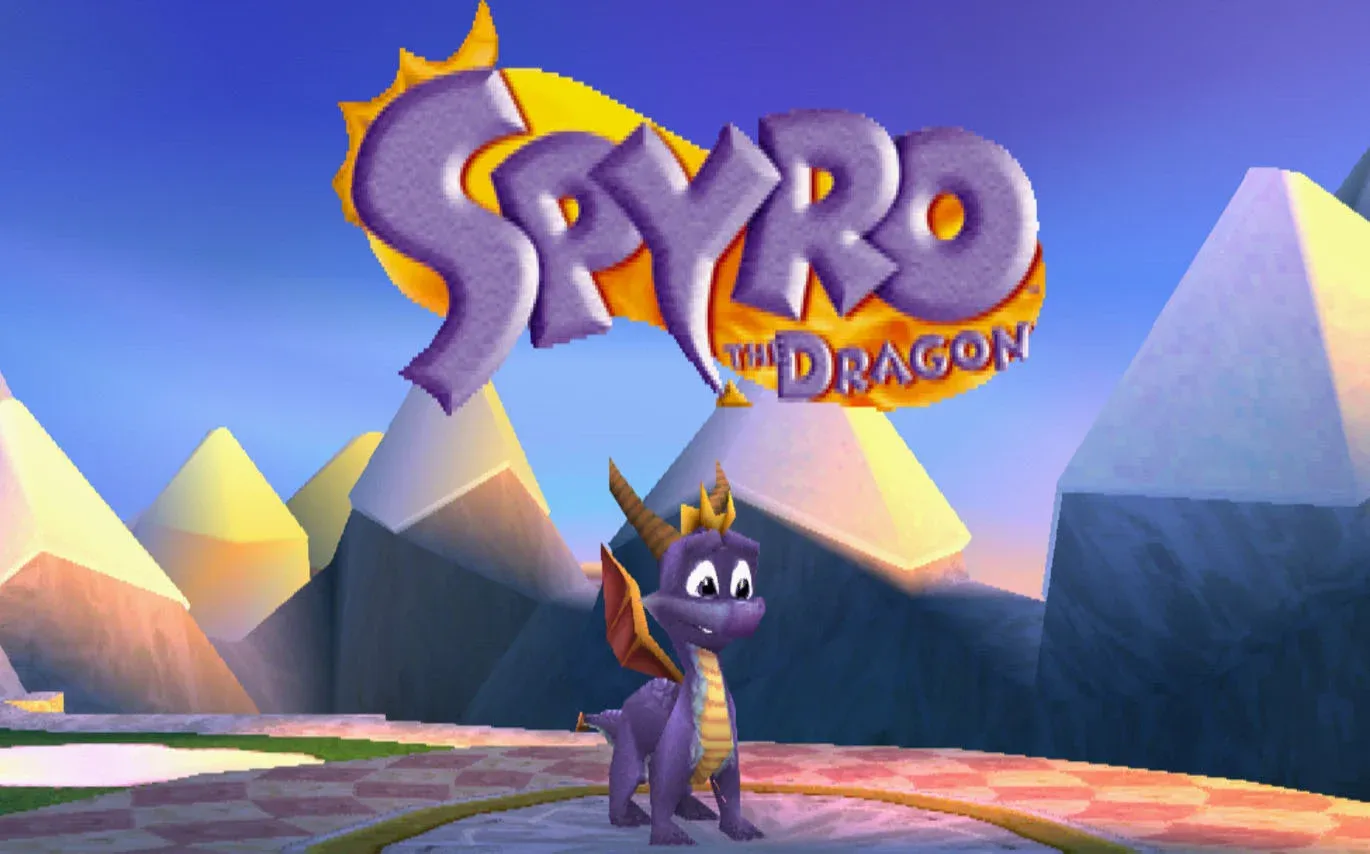

Mark Cerny, the quiet architect behind the PS4 and PS5, posted the first official world record for Spyro the Dragon in 1998, clocking in at 1 hour and 45 minutes. That time sat unchallenged for more than 12 years.
The challenge Cerny issued before speedrunning was a thing
Back in December 1998, just months after Spyro the Dragon launched on PlayStation, Cerny sat down with Next Generation magazine and dropped a challenge that was ahead of its time. Asked whether he was the best Spyro player around, he said he was planning an internal competition among the development team, with a cash prize on the line. His reasoning was straightforward: put up enough money, practice hard enough, and he would not have to pay anyone.
He had already clocked a full run. "I've reached and beaten Gnasty Gnorc in 105 minutes," Cerny told the magazine. "If anyone can beat that, please send me your time." He even included an email address for anyone willing to take him up on it.
This was 1998. Speedrunning communities as most people know them today did not exist yet. The idea of players racing through single-player games and submitting times online was still a niche pursuit. Cerny was essentially calling for something that the wider gaming world would not fully embrace for another decade.
How a 105-minute run became the founding record
The modern Spyro speedrunning community has since acknowledged Cerny's place in the history books. His 1:45 time is listed as the inaugural world record on Speedrun.com, making him the first name at the top of a leaderboard that now includes runners who have pushed the game to its absolute limits.
The record held for over 12 years, though it is worth noting that the verification process at the time was essentially nonexistent. There was no central database, no video proof requirements, and no community infrastructure to track competing times. It is possible someone beat Cerny's time years earlier and simply never documented it in a way that reached the community. What the record represents, then, is the first verified and acknowledged time, not necessarily the fastest run ever completed in that era.
info
Cerny's 1:45 world record is listed as the first on Speedrun.com. The current top times are significantly faster, with modern runners having optimized routes and exploits that were unknown in 1998.
A recent Summoning Salt video covering the full history of Spyro world records brought this story back into the spotlight, tracing how the game's competitive scene evolved from Cerny's magazine challenge all the way through to the current generation of runners. It is exactly the kind of deep-dive that puts the community's progress in perspective.
What this means for how we see Cerny
Here's the thing about Mark Cerny: his public persona is almost entirely defined by his role as PlayStation's lead hardware architect. He is the person who explains SSD latency and custom silicon in carefully measured tones at console reveal events. The image of him also being the person who sat down in 1998 and speedran his own game, then challenged the world to beat him, is genuinely surprising.
Cerny served as president of Universal Interactive Studios at the time and was a producer on Spyro the Dragon, developed by Insomniac Games. His involvement went deep enough that he was not just shipping the product and moving on. He was playing it competitively and thinking about how players might engage with it at a level most executives never consider.
The speedrunning community around Spyro is active today, and the game remains a popular category on Speedrun.com. For anyone curious about how the records have evolved since that 1998 magazine challenge, the Summoning Salt breakdown is the place to start. You can also browse more gaming news and features to keep up with the stories shaping gaming history.
Cerny has since gone on to shape two console generations at PlayStation, but his footnote in speedrunning history is one of the more unexpected parts of his resume. The Spyro community now has runners pushing completion times well below his 1998 benchmark, which is exactly what he was hoping for when he published that email address 27 years ago. Make sure to check out more: