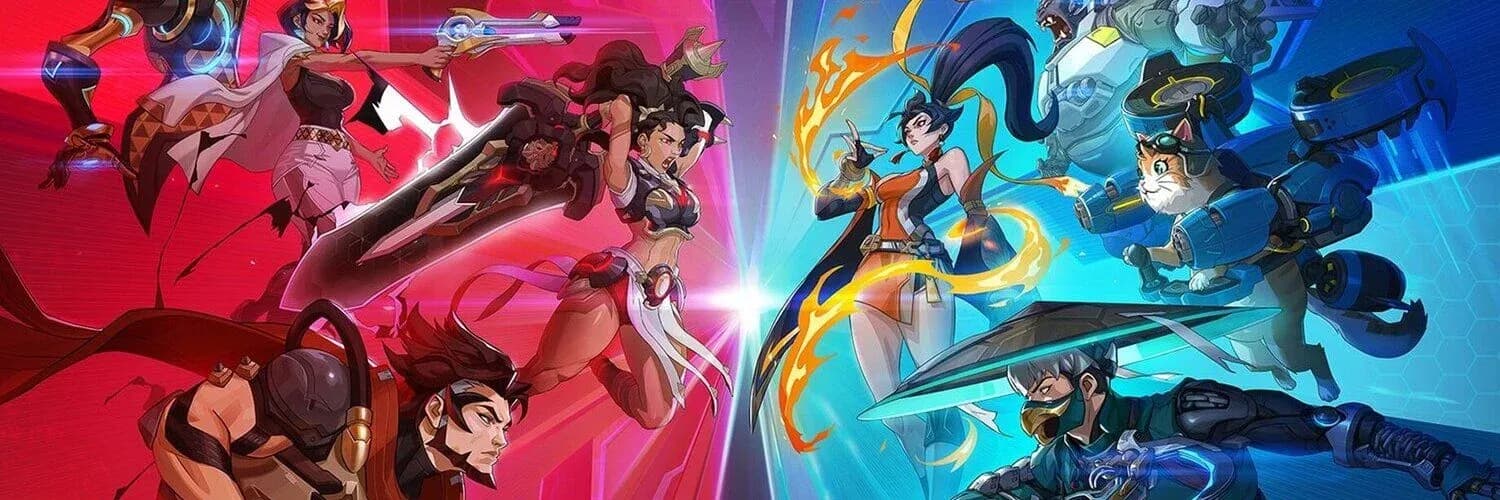
In a recent post on X (Twitter), Sinjin David Jung — MAYG's founder — explained the team's methodical approach to their April 2025 launch. The delays weren't about waiting for better market conditions. They were about getting the game's economy and onboarding right. The goal is to make MAYG work for both traditional gamers and web3 players without the usual friction between those audiences.

MAYG Founder Sinjin Revals 2025 Roadmap
What MAYG is
MAYG is a turn-based third-person shooter built for PC and web3. The pitch is a new take on competitive multiplayer with a focus on bringing in female gamers through global promotions. The dev team includes Lukasz Drozdek (former lead at Sega Secret Level Studios), Danny Pisano (former head of Bandai Namco's casual games studio), and Sinjin David Jung (former Asia regional director at PokerStars).
Building for long-term revenue, not short-term hype
Sinjin's main point is that MAYG isn't chasing volatile markets or trying to capitalize on whatever's trending this quarter. The focus is on building a play-to-earn model that actually sustains itself through consistent player engagement and revenue, not speculative trading spikes. Most web3 game studios pivot constantly based on what's hot. MAYG is sticking to its original design. Sinjin compares it to a movie that succeeds because the script is solid and the release timing is smart, not because it jumped on the latest genre trend.
That's a different philosophy from most of the web3 gaming space, where the emphasis is often on trading volume and quick financial wins rather than whether the game is actually fun or sustainable. Sinjin's bet is that long-term success in web3 gaming comes from well-designed economies and real player engagement, not from speculation.

MAYG "Fight for Love"
Why the launch got delayed
The April 2025 date isn't about waiting for a bull market. It's about making sure the onboarding process works smoothly for traditional gamers who aren't already familiar with web3. The team has spent months refining how to convert web2 players into web3 players without making the process feel like a chore. That's critical because MAYG's success depends on building a stable, engaged player base, not just riding an initial wave of attention.
Sinjin's analogy is straightforward: a good movie can succeed whenever it launches as long as the timing and execution are right. MAYG's rollout strategy, particularly in Thailand, reflects that philosophy. The team isn't trying to raise massive funding rounds to manufacture momentum. They're building a foundation that's meant to last.
MAYG Cover Banner on X (Twitter)
No interest in market speculation
Sinjin is blunt about the speculative side of web3, especially around NFTs and traders looking for quick flips. MAYG isn't optimizing for trading volume or trying to fit into whatever the current market meta is. The priority is delivering value through gameplay and a functional in-game economy. He dismisses the noise around quick wins and market trends as irrelevant to what the team is actually building.
The value proposition is that players earn rewards from playing the game, not from external speculation or secondary market activity. That's a long-term play that depends on the game being good enough to keep people around after the initial launch hype fades.

MAYG Key Art and Logo
April 2025 and what comes next
Sinjin is confident that MAYG will carve out a space in the web3 gaming landscape when it launches in April 2025. The team has already tackled some of the hardest problems in building an open play-to-earn economy, and they're positioning themselves as a potential model for how the industry could work if it focuses on sustainability instead of speculation.
The plan is straightforward: prioritize player engagement, build a sustainable revenue model, and create an in-game economy that actually functions. The team's rejection of short-term thinking and their focus on solving real blockchain gaming challenges reflects a belief that web3 gaming has a future if it stops chasing trends and starts building games that work. April 2025 will show whether that approach pays off.