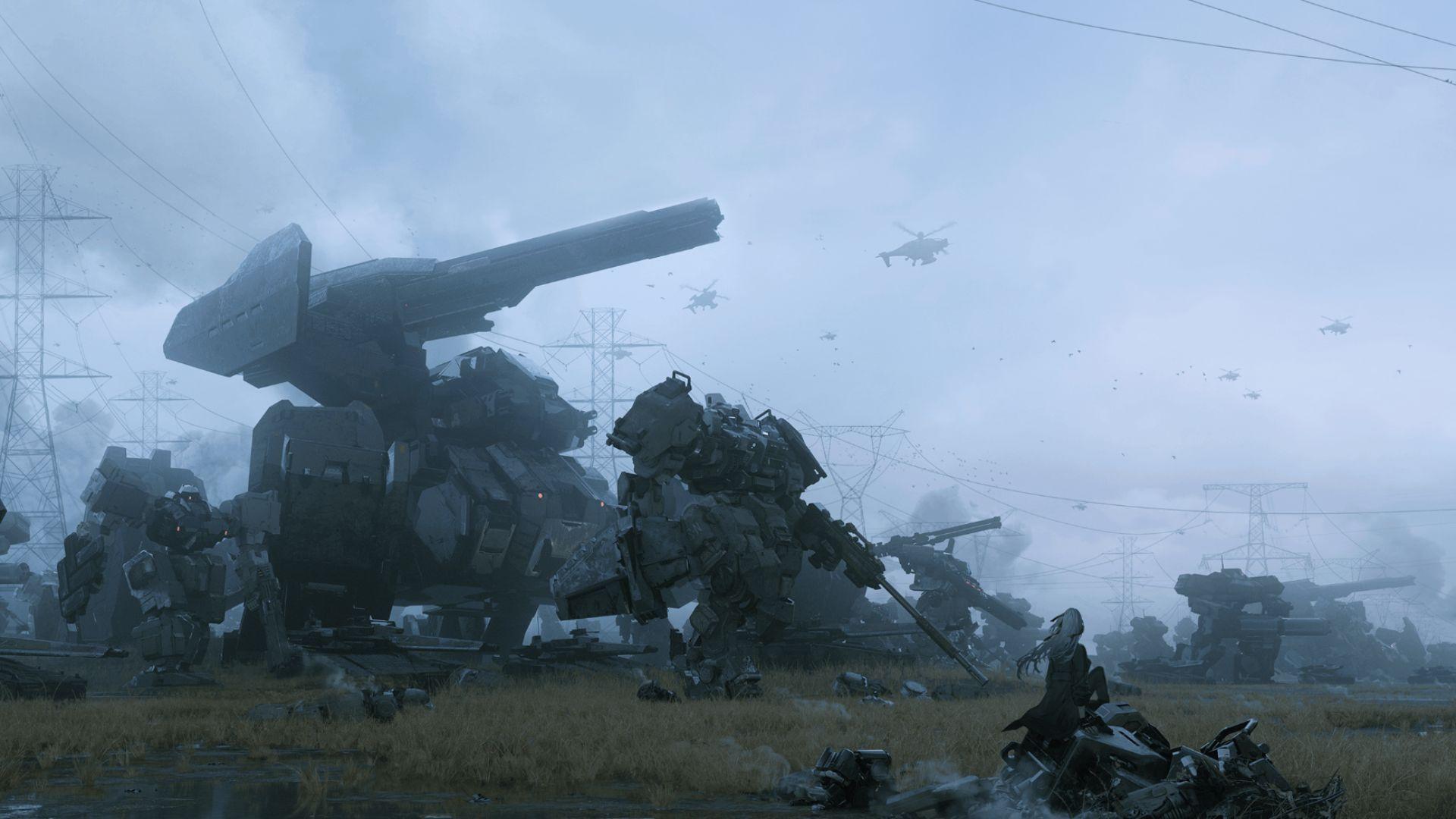

Mecharashi, the free-to-play strategy RPG, has teamed up with Neon Genesis Evangelion to drop pilots and EVA-inspired mechs directly into its grid-based combat. The event launched less than a year after Mecharashi hit North America, and it shows how BlackJack Studio is threading the needle between classic mecha aesthetics and mobile-friendly tactical gameplay.
Evangelion's EVAs tower at nearly 300 feet in the anime. Mecharashi's standing tanks (STs) barely reach two stories. Cramming those proportions into the same battlefield without wrecking the game's balance meant rethinking how the EVAs look, move, and function. BlackJack Studio redesigned them from scratch to preserve their identity while keeping them playable alongside the existing roster.

A strategy RPG for mecha nerds
Mecharashi sits at the intersection of two specific genres: mecha fiction and turn-based tactical RPGs. You command squads of customizable mechs on compact grids, managing terrain, line of sight, and turn order. Missions are short and focused, usually wrapping up in under ten minutes, which works well for both PC and mobile play.
Pilots and mechs level up separately. Pilots unlock abilities and stat boosts. Mechs are built from modular parts: arms, legs, torsos, backpacks, weapons. You can specialize units for tanking, mobility, long-range damage, or disruption. Combat leans on part destruction rather than just whittling down health bars. Blow off an enemy's weapon arm and you've neutralized their offense. Cripple their legs and they can't reposition.
The structure encourages replaying missions to optimize performance and squeeze out better rewards. It's less about slogging through long campaigns and more about refining your approach to bite-sized tactical puzzles.
BlackJack Studio knows its mecha
BlackJack Studio is a Chinese developer steeped in mecha fandom, drawing from Japanese strategy games and classic anime. That background shows in Mecharashi's presentation. Zoom in and you see layered armor plating, hydraulic joints, and mechanical guts. In motion, mechs twist their torsos past human limits to generate force for melee strikes or lock their arms into rigid firing stances before unleashing rounds.
Movement reflects machine physics, not human locomotion. Units hop for short adjustments, stride for medium distances, and deploy wheels for fast traversal across open ground. These details sell the fantasy that you're commanding machines, not just armored infantry on a grid.
That design philosophy carried over into the Evangelion collaboration. The goal was to keep the EVAs recognizable while making them feel native to Mecharashi's world and systems.
Scaling down the EVAs without losing them
Dropping Evangelion's mechs into Mecharashi wasn't a straight copy-paste. The main problem was scale. EVAs are massive compared to Mecharashi's STs, so a direct port would have broken both the visuals and the gameplay balance.
BlackJack Studio identified each EVA's defining visual traits and rebuilt them to fit the tactical RPG format. EVA-01's sharp head profile, EVA-02's red armor and shoulder fins, EVA-00's bulkier prototype frame — all preserved, but resized and retuned to work alongside existing units instead of dominating them.
Each EVA synergizes with its pilot, mirroring Evangelion's synchronization themes. They're not oversized novelties. They're specialized tools that follow the same strategic ruleset as the rest of the roster.
Shinji, Asuka, and Rei join the fight
The crossover adds Shinji Ikari, Asuka Langley, and Rei Ayanami as playable pilots. Their abilities revolve around synchronization, becoming more effective as they align with their mechs during combat. It's a direct nod to one of Evangelion's core concepts, and it fits cleanly into Mecharashi's existing progression systems.
Each pilot plays differently. Asuka specializes in polearms and can throw them in straight-line attacks, referencing her connection to the Lance of Longinus. These mechanics give the Evangelion characters functional roles instead of just being cosmetic additions.
Because pilots are already central to Mecharashi, adding Evangelion characters slots in smoothly. You can mix them with existing units and strategies without disrupting the game's structure.
Classic anime meets modern free-to-play design
Mecharashi blends long-term progression with short tactical scenarios, fitting neatly into free-to-play expectations. You earn currencies, unlock new pilots and mechs, and refine builds over time. The Evangelion crossover plugs into that loop without altering the underlying structure.
For strategy RPG fans, the draw is mastering positioning and part destruction. For mecha fans, it's seeing recognizable designs adapted into a playable system. The crossover bridges those interests by respecting Evangelion's visual language while staying within Mecharashi's mechanical constraints.
BlackJack Studio treated Evangelion as a functional extension of the existing game rather than a standalone spectacle. It reinforces Mecharashi's identity as a tactical mecha RPG instead of just a crossover showcase.
The Mecharashi x Neon Genesis Evangelion event runs until February 25, 2026, giving players a limited window to recruit the pilots and deploy redesigned EVA units across Mecharashi's battlefield.
Make sure to check out our articles about top games to play in 2026:
Best Nintendo Switch Games for 2026
Best First-Person Shooters for 2026
Best PlayStation Indie Games for 2026
Best Multiplayer Games for 2026
Most Anticipated Games of 2026
Top Game Releases for January 2026
Frequently Asked Questions (FAQs)
What is Mecharashi?
Mecharashi is a free-to-play tactical strategy RPG centered on customizable mechs and grid-based combat, available on PC and mobile.
What does the Evangelion crossover add to Mecharashi?
The crossover brings Evangelion pilots Shinji, Asuka, and Rei into the game, along with EVA-inspired mechs redesigned to fit Mecharashi's scale and tactical systems.
Are the EVA units the same size as in the anime?
No. The EVAs have been scaled down and redesigned to match Mecharashi's smaller battlefield while keeping their recognizable visual features intact.
How does combat work in Mecharashi?
Combat is turn-based and grid-focused, emphasizing positioning, terrain, and targeted destruction of enemy parts rather than just reducing health pools.
When does the Mecharashi x Evangelion event end?
The crossover event runs until February 25, 2026.
Is Mecharashi free-to-play?
Yes. Mecharashi uses a free-to-play model with progression based on unlocking pilots, mechs, and upgrades through gameplay.