
Microsoft has been swinging the axe hard across its Xbox game studios, and the Minecraft community is watching every move with growing unease.
The company behind the best-selling game in history has spent recent months executing what can only be described as an aggressive restructuring of its gaming division. Studios have been shuttered, teams have been downsized, and the ripple effects are being felt across the entire Xbox ecosystem. For players of Minecraft, a game that has sold over 300 million copies and still pulls in tens of millions of active players monthly, the question isn't abstract. It's personal.
What Microsoft's cuts actually look like from the outside
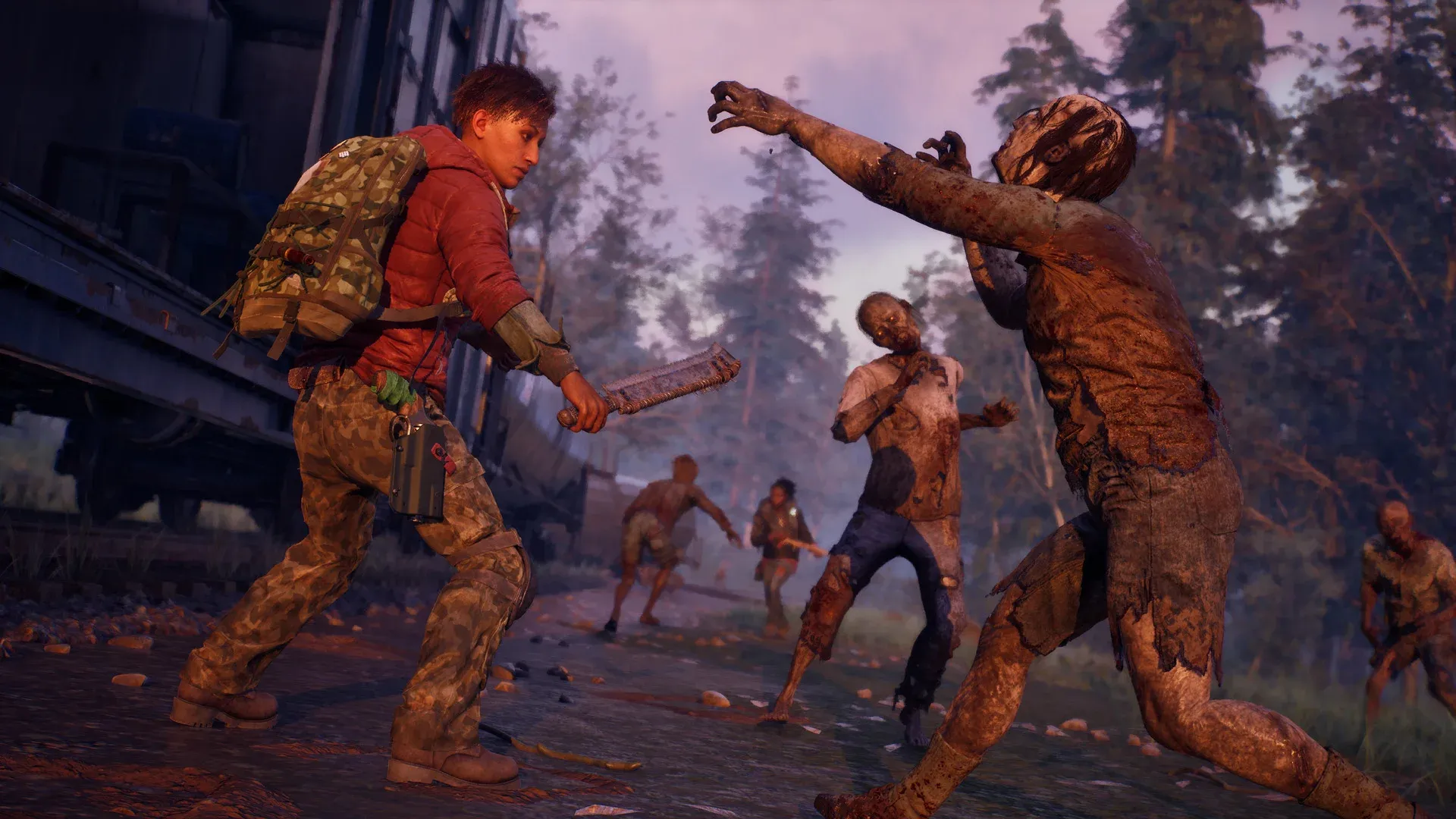
The scale of the reductions is hard to ignore. Microsoft has closed or significantly reduced headcount at multiple first-party studios in a short window of time. These aren't minor trims. Entire creative teams have been let go, projects have been cancelled mid-development, and the message coming out of Redmond has been one of consolidation rather than expansion.
For most Xbox titles, this is concerning. For Minecraft, it's a different kind of alarm entirely.
Mojang, the Stockholm-based studio that develops Minecraft, hasn't announced layoffs on the scale seen elsewhere in the Microsoft gaming portfolio. But Mojang sits inside the same corporate structure that just demonstrated it's willing to make significant cuts without much public warning. That's the part that has the community nervous.

The gap between what Minecraft was and what Microsoft wants it to be
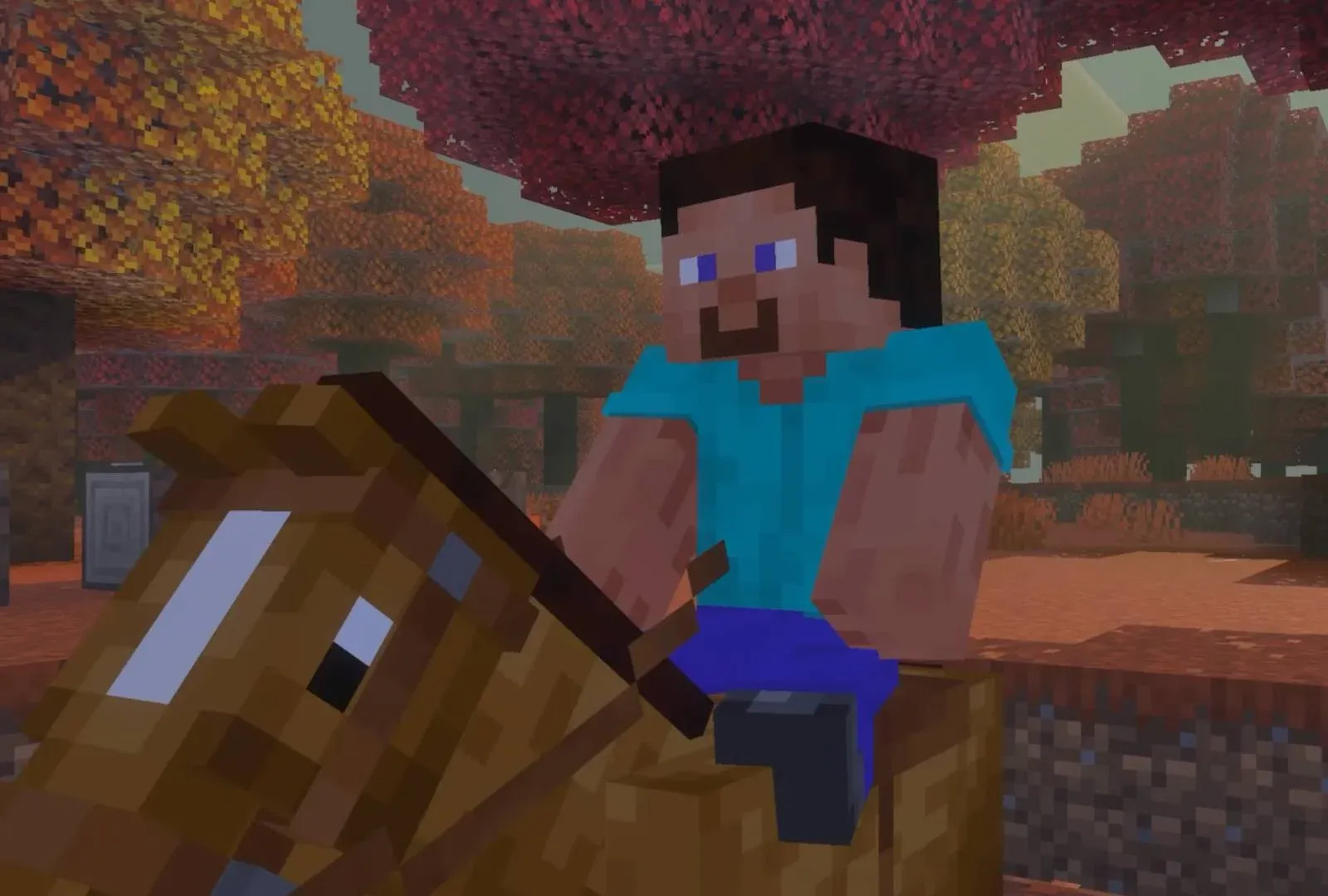
Here's the thing: Minecraft's identity has always been built on a specific kind of creative freedom. The game grew into a cultural institution largely because Mojang let the community breathe. Mods flourished, servers thrived, and updates came with enough regularity to keep the base game feeling alive without overwhelming what made it special.
The last few years have introduced some friction. The contentious Microsoft account migration, the short-lived and quickly reversed attempt to restrict certain community server monetization practices in 2023, and the ongoing tension around what the Java Edition versus Bedrock Edition split means for the game's long-term direction. These aren't catastrophic decisions individually. Stacked together, they sketch a picture of a platform holder that keeps nudging Minecraft toward something more controlled and commercially tidy.
The best mods available right now, many of which are covered in our best Minecraft mods guide, exist because Mojang has historically kept a light touch on what players can build and distribute. Any shift in that philosophy, driven by cost-cutting pressure or platform strategy, would hit the game's creative ecosystem hard.
Why this particular game can't be treated like any other studio product
Most games can absorb a round of layoffs or a change in creative direction without existential consequences. Minecraft isn't most games.
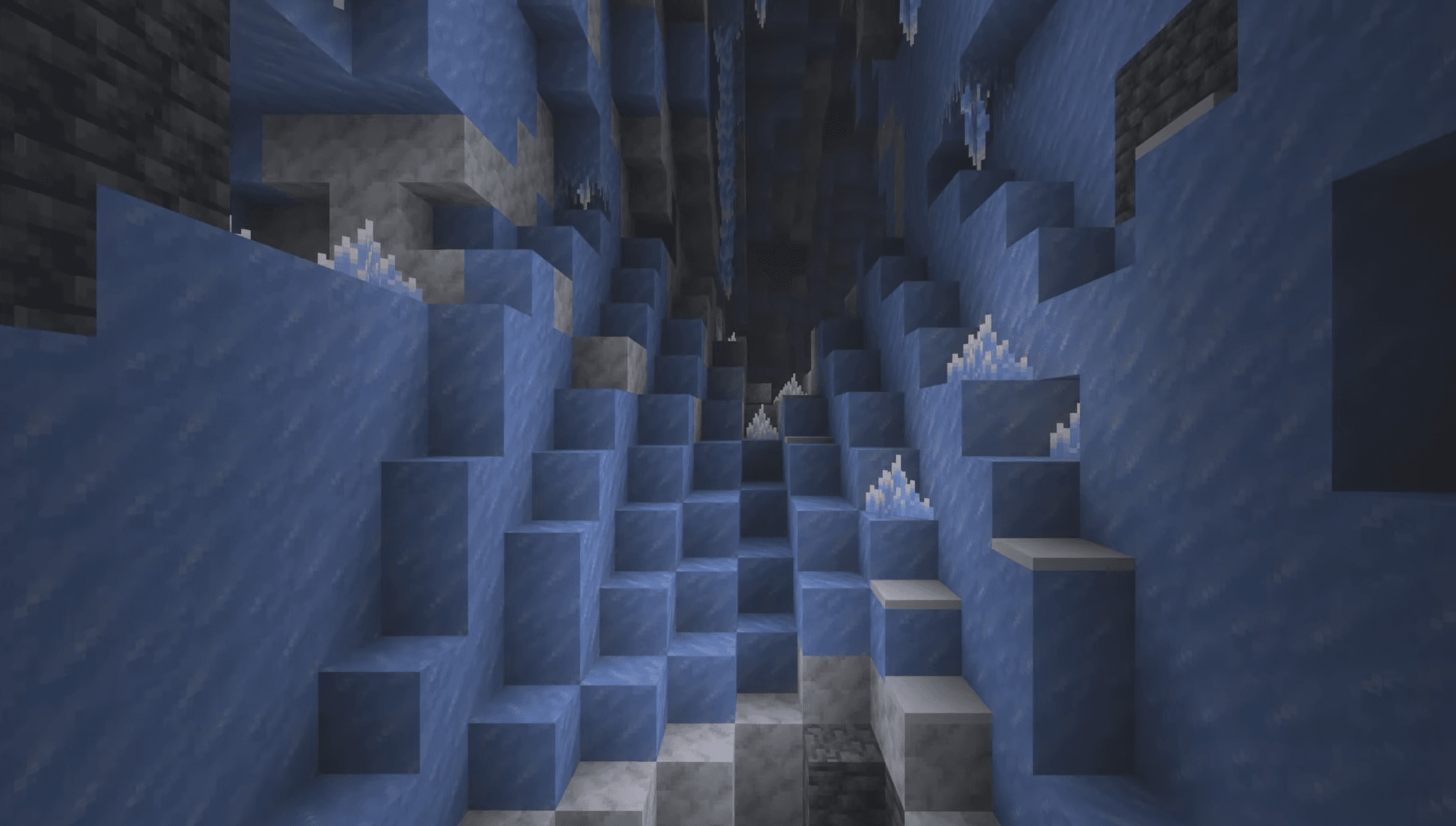
The player base spans literal generations. Kids who played it in 2011 are now adults who introduce it to their own children. Teachers use it as an educational tool through Minecraft Education. Speedrunners, builders, survival purists, and redstone engineers all coexist inside the same game because Mojang has, for the most part, kept the core experience intact while layering on additions rather than replacements.
That balance is fragile. And it's maintained by people, not just code. The developers who understand why a specific design philosophy matters, who push back internally when a monetization idea crosses a line, who know the community well enough to predict what will land badly. Those are the people who get cut in restructuring rounds.
For a deeper look at what makes the game tick after all these years, our Minecraft review captures exactly why the stakes here are higher than they appear.
What the community should actually be watching for
The warning signs won't come as a dramatic announcement. They'll be subtle. A slowdown in meaningful Java Edition updates. Increased pressure to migrate players toward Bedrock, which Microsoft controls more tightly and which has a more conventional marketplace model. Restrictions on third-party server software or mod distribution that get framed as security improvements.
None of those things have happened yet in a way that can't be walked back. The community's track record of pushing back hard and fast has genuinely influenced Microsoft's decisions before. That leverage exists as long as players stay engaged and vocal.
Microsoft's restructuring isn't done. More announcements are expected across the Xbox division through the rest of 2026. Whether Mojang stays insulated from those pressures or gets drawn into the same cost-efficiency logic that's already reshaped other studios is the question worth tracking closely right now.