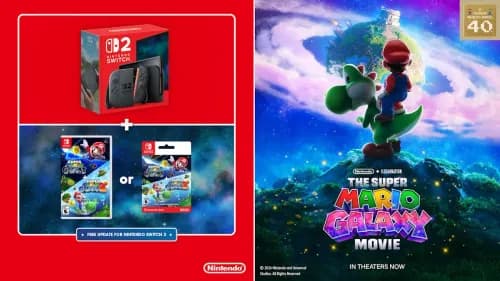

Nintendo of America and Lenovo have both filed legal complaints against the US government, seeking refunds on tariffs that the Supreme Court declared unconstitutional. The filings, submitted to the United States Court of International Trade, follow a landmark February 20th ruling that found the Trump administration's use of a specific economic powers law to impose tariffs was unlawful.
The Supreme Court Ruling That Started It All
The legal push stems from the Supreme Court's February 20th opinion in Learning Resources, Inc. v. Trump, which determined that the administration could not use the International Emergency Economic Powers Act (IEEPA) to levy tariffs. That decision opened a direct path for importers who paid those tariffs to pursue refunds through the courts.
Nintendo of America filed its complaint shortly after the ruling, explicitly citing the Supreme Court's opinion as the basis for its claim. Lenovo's filing is dated February 20th itself, the same day as the decision, though it references rulings from lower courts rather than the Supreme Court opinion directly.
danger
The Supreme Court's jurisdiction does not extend to ordering refunds directly. Plaintiffs must therefore seek relief through the United States Court of International Trade, which is the designated venue for tariff-related disputes.
Who Else Is Filing
Nintendo and Lenovo are not alone. A search of case filings in the United States Court of International Trade has turned up several other companies pursuing similar claims:
- Dyson (designer vacuum cleaners and home appliances)
- Whoop (fitness wearables)
- Wyze (home security cameras)
- Epson Portland Inc. (printers and ink)
All filings follow a consistent structure. Each plaintiff identifies itself as an importer, cites the outcome of the Learning Resources case, and asks the court to confirm they are owed a refund plus interest. All plaintiffs are also seeking legal costs.
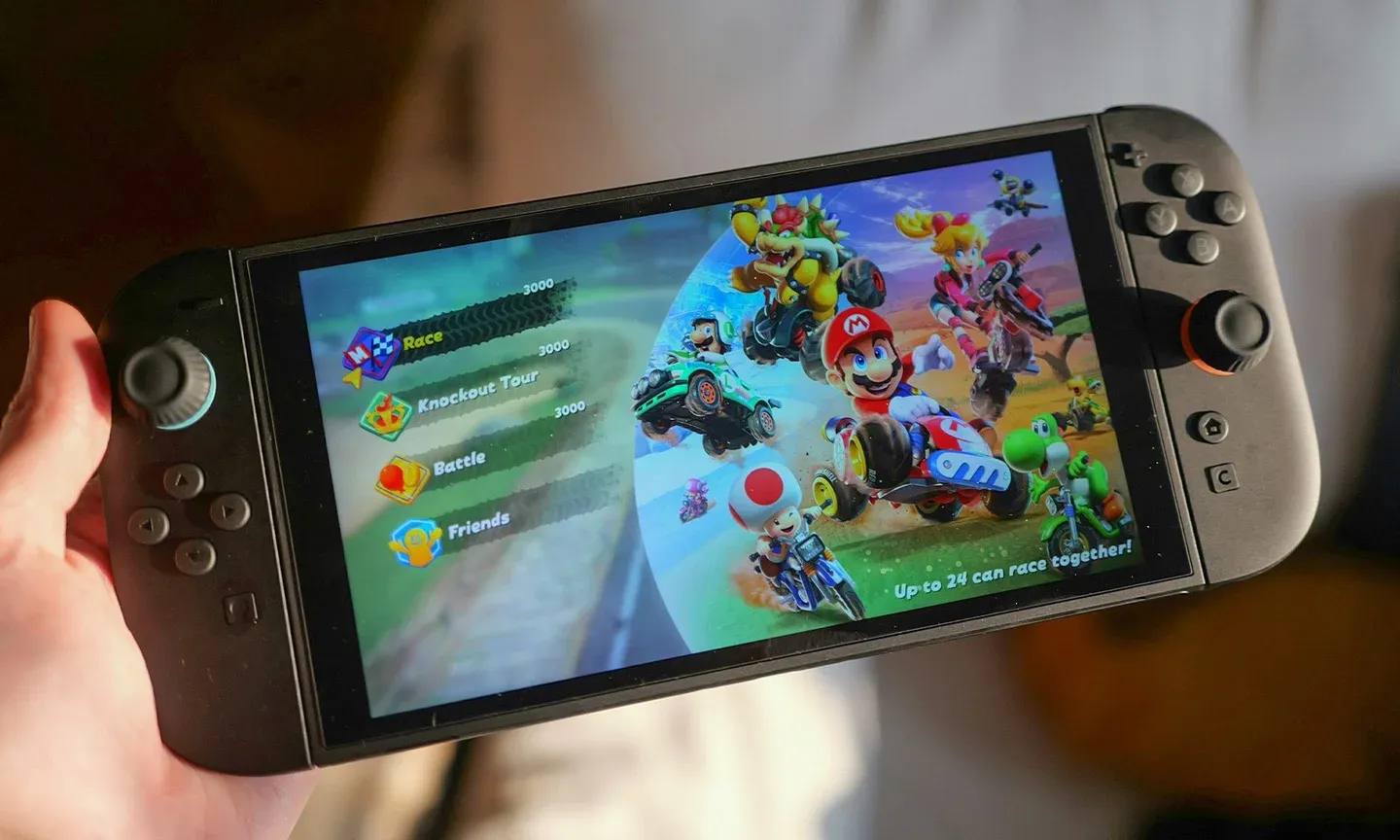
Court of International Trade filings
What Happens to Any Refunds
Here's the thing: none of the filings reviewed specify what the companies plan to do with any money recovered. That is a genuinely complicated question, because many of these businesses raised prices or introduced tariff-related surcharges after the original tariffs were imposed. In practice, it was often consumers who absorbed those costs.
Law firm Arnold & Porter has predicted a wave of consumer class action lawsuits targeting companies that passed tariff costs on to buyers. The firm describes those class actions as "untested and in their early stages" but warns they carry "sweeping implications on businesses across virtually every industry."
The firm has also cautioned that any company which imposed tariff-related fees or raised prices in response to the now-invalidated IEEPA tariffs faces significant legal exposure that should be evaluated promptly.
Where Things Stand Now
The Trump administration has not abandoned its tariff agenda. Following the Supreme Court ruling, the administration re-introduced tariffs through alternative legal mechanisms and has stated its intention to continue pursuing its trade policy through other means. That means the broader trade landscape remains unsettled, even as companies seek refunds on the specific tariffs now deemed unlawful.
For players and consumers, the practical question is whether any successful refund claims will translate into lower prices on hardware. Given the complexity of the class action landscape and the fact that companies are not committing to passing refunds back to buyers, that outcome is far from guaranteed.
Source: Theregister
Make sure to check out our articles about top games to play in 2026:
Best Nintendo Switch Games for 2026
Best First-Person Shooters for 2026
Best PlayStation Indie Games for 2026
Best Multiplayer Games for 2026
Most Anticipated Games of 2026
Top Game Releases for January 2026
Frequently Asked Questions (FAQs)
Why are Nintendo and Lenovo suing the US government?
Both companies are seeking refunds on tariffs they paid that the Supreme Court ruled were unconstitutional. The February 20th ruling in Learning Resources, Inc. v. Trump found that the Trump administration could not use the International Emergency Economic Powers Act to impose tariffs.
Where are these cases being heard?
All tariff-related cases are handled by the United States Court of International Trade, which is the designated legal venue for these disputes. The Supreme Court's ruling opened the door for refund claims but did not itself order any repayments.
Will consumers see any price reductions if refunds are granted?
That is unclear. None of the companies filing for refunds have stated what they intend to do with recovered funds. Law firm Arnold & Porter has flagged the possibility of consumer class actions against companies that raised prices in response to the now-invalidated tariffs.