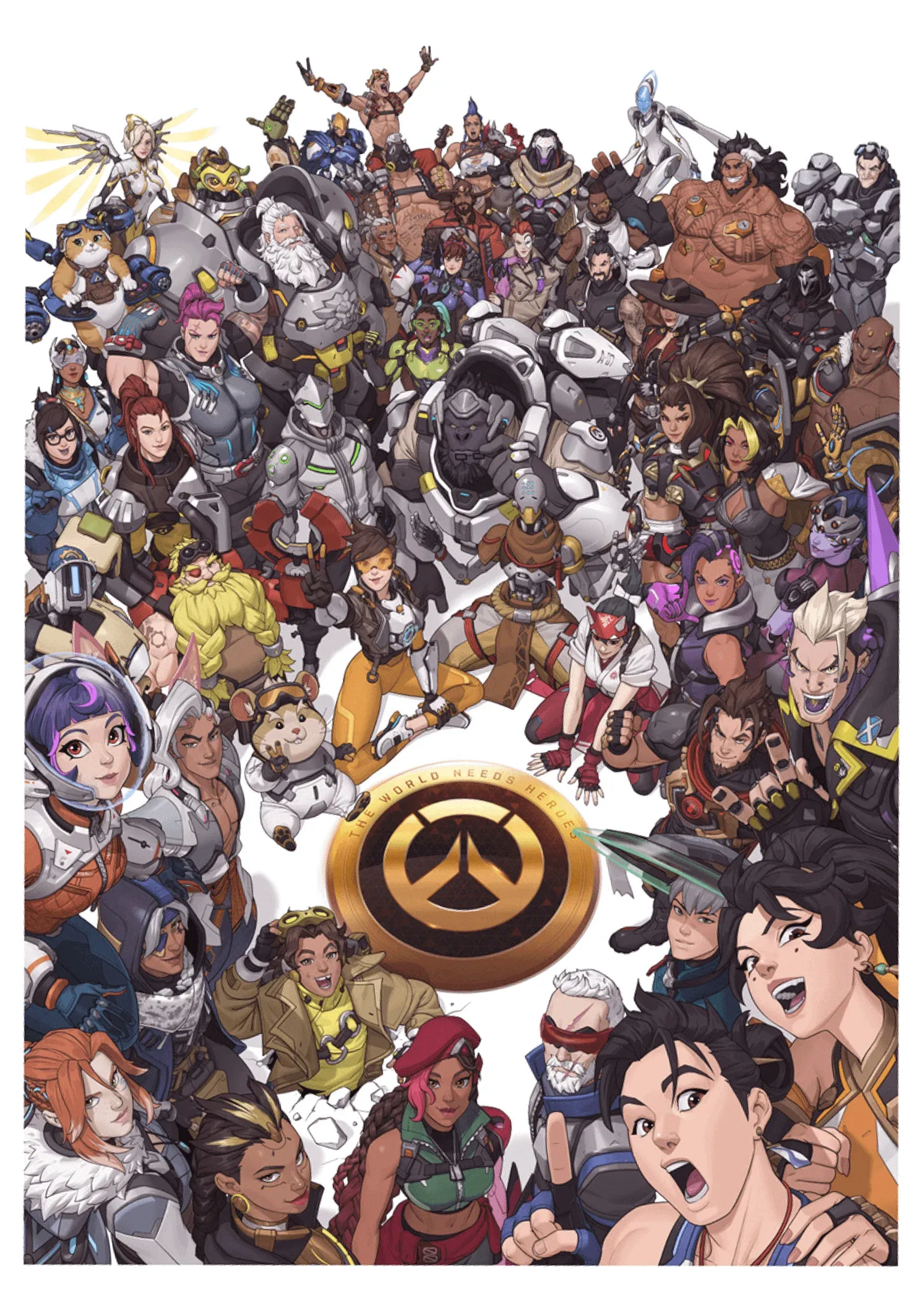


"This world means so much to us, and to me personally," wrote Aaron Keller, game director of Overwatch, in a heartfelt social media thread marking the game's 10th anniversary. Ten years after launch, and Keller isn't just celebrating with in-game events. He's taking the community back to where it all started.
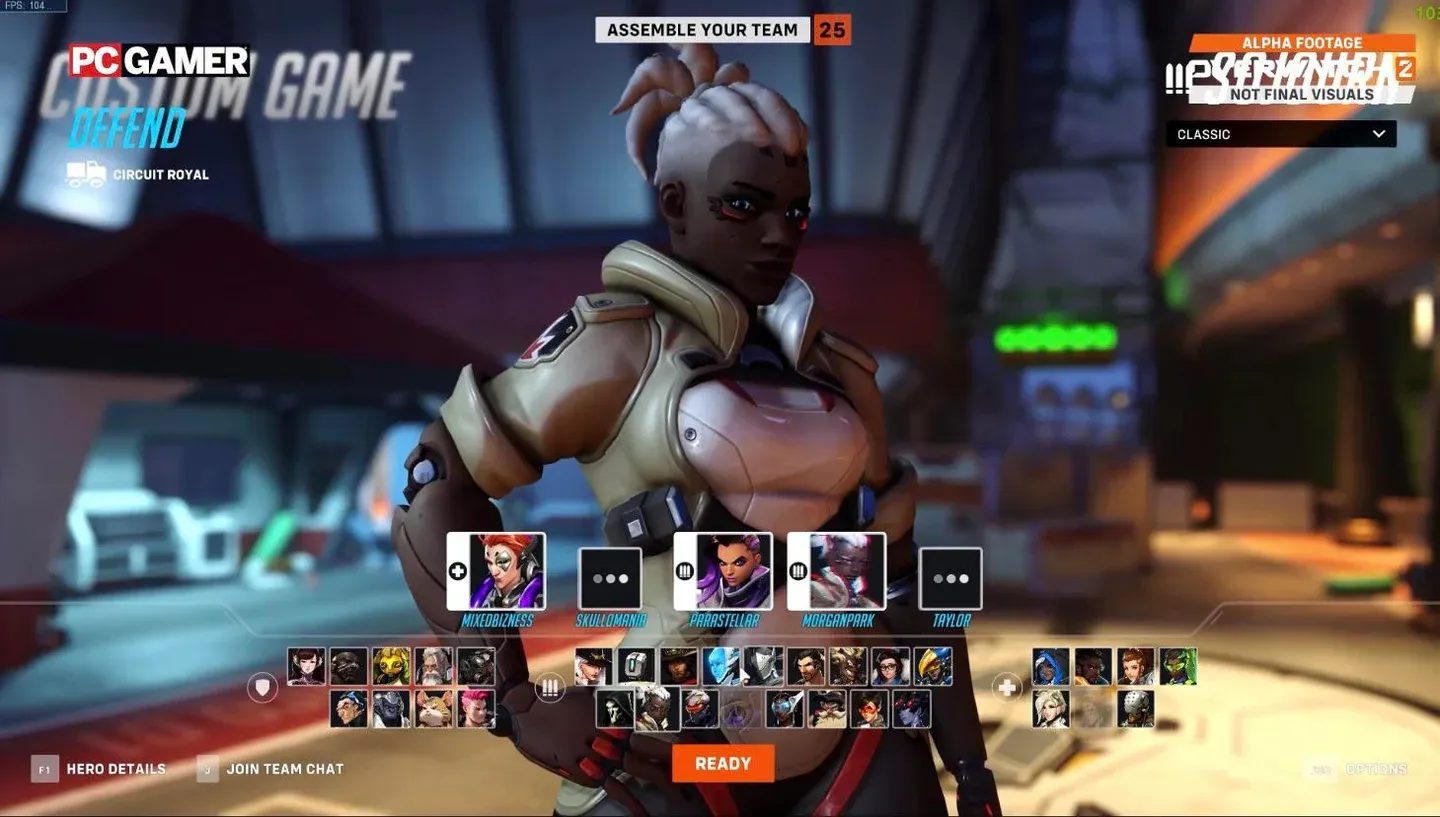
Ten years of hero choices
Use code TRYHARD33 at checkout to redeem this offer before code expires again.
Get 33% Off GAMES+ Subscription
From the ashes of Project Titan
The origin of Overwatch is one of the more fascinating stories in modern gaming. After Blizzard cancelled its ambitious MMO project, codenamed Project Titan, in 2013, the surviving development team found itself at a crossroads. What Keller's anniversary thread reveals is just how quickly that team pivoted. Team 4 began work on what would become Overwatch in mid-2013, and the first concept art Keller shared wasn't even from Overwatch itself. It was from a separate game the team explored immediately after Titan's cancellation, one that never shipped but clearly planted seeds. You can see the DNA of what became Cole Cassidy in those early sketches, the silhouette barely changed between that scrapped project and the final hero.
The team codenamed the new project Prometheus and called themselves the Prometheans. There's something fitting about naming a project after the titan who brought fire to humanity, right after your previous project called Titan burned down.
Six weeks, a pitch, and a room that changed its mind
The timeline here is worth sitting with. Team 4 had just a handful of weeks to put together a pitch for what Overwatch could be. That pitch, particularly the character designs, is what Keller credits as the turning point. He describes it as the moment "the room transformed from doubtful to excited." Given how iconic the Overwatch roster became, that tracks. The character designs were sharp enough to sell a concept that didn't fully exist yet.
From there, the team focused on fundamentals: character and environment scale, combat feel, and the small but telling details that would define the game's readability. One early piece of work Keller highlighted was a study on how low health should look on screen. That kind of thinking, the obsessive attention to communicating information clearly without cluttering the UI, became one of Overwatch's defining qualities. The tinted screen when you're taking damage, the audio cues that tell you an ultimate is charging somewhere nearby, the health bars that never feel intrusive. None of that happened by accident.
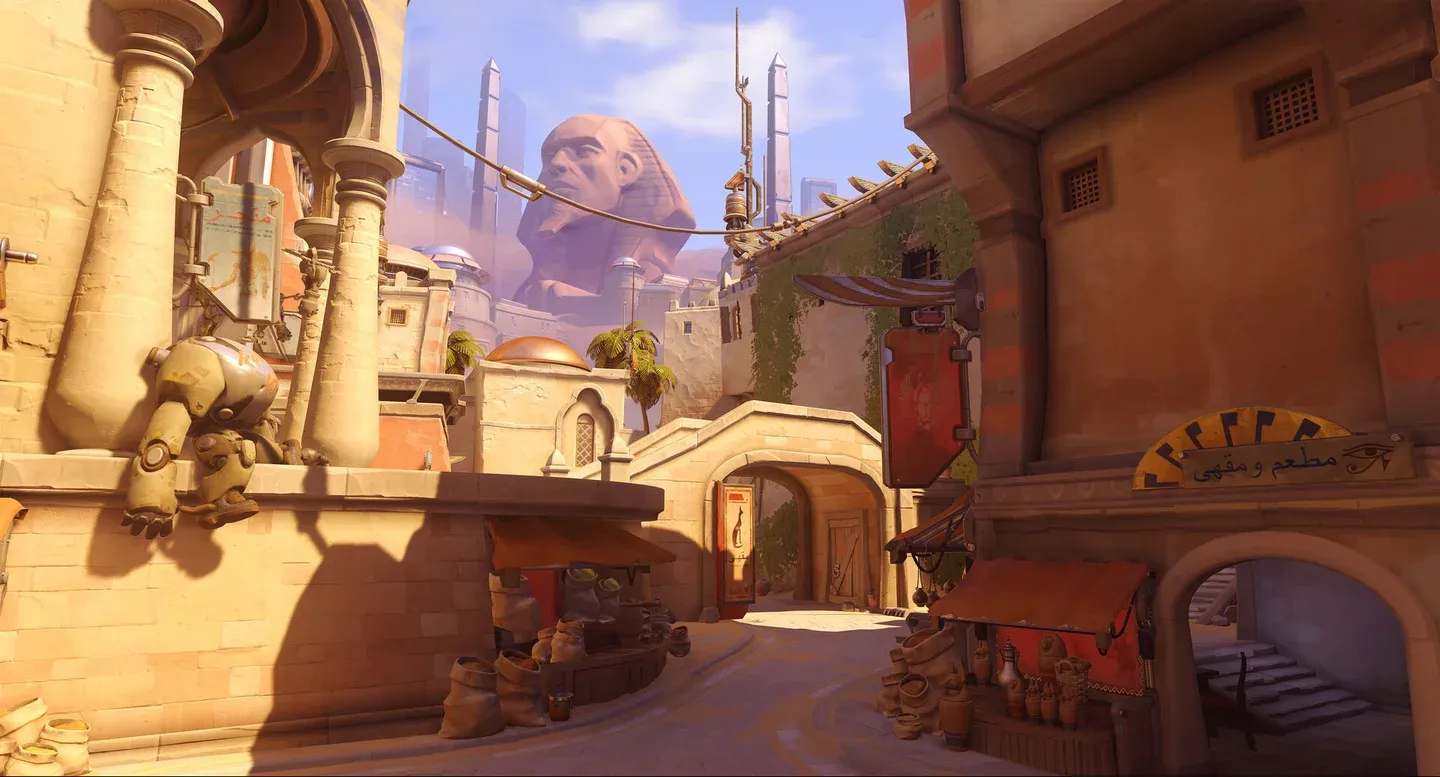
Anubis: the first real map
Paper maps and the first real level
Keller also walked through the early map development process. The team spent months working in paper before the engine was ready, prototyping layouts for what would eventually become some of the game's most recognizable locations. King's Row appears in those early mockups, already taking shape. So does Anubis, which Keller notes became the first real map built once the engine was rebuilt from Project Titan's remnants.
The Anubis detail is a small but telling one. The map that became the team's first functional test environment wasn't the flashiest or the most beloved in the long run, but it was the foundation everything else got built on top of.
Ten years of resilience
What Keller's thread captures, beyond the nostalgia, is how much of Overwatch's identity was forged under pressure. The game came out of cancellation, a rushed pitch, and an engine that had to be rebuilt from scratch. The fact that it launched as one of the most polished shooter games of its era says something about what that team managed to pull off.
Keller closed his thread with genuine warmth: "I am so grateful for our community, its players, past, present and future. I sincerely hope that 10 years from now, we're celebrating another decade together."
The 10th anniversary celebrations are still ongoing, with Team 4 continuing to add content and rewards to the in-game event. If you're jumping back in or keeping up with everything new in the game, the Overwatch guides hub has you covered on the latest heroes, abilities, and events.