

Think about the last time a sound in Overwatch saved your life. The telltale whir of a flanking Tracer, the low rumble of an incoming Earthshatter, the sharp crack that tells you Wuyang's water orb just connected around a corner. None of that happens by accident. It takes a team of dedicated audio engineers, a lot of unconventional tools, and a surprisingly philosophical approach to what a character should sound like to the people playing against them, alongside them, and as them.
Senior sound designers at Blizzard have been quietly publishing behind-the-scenes breakdowns of their work on Overwatch's official news channel, and the detail packed into each one is genuinely hard to put down.
The screwdriver at the heart of Juno's kit
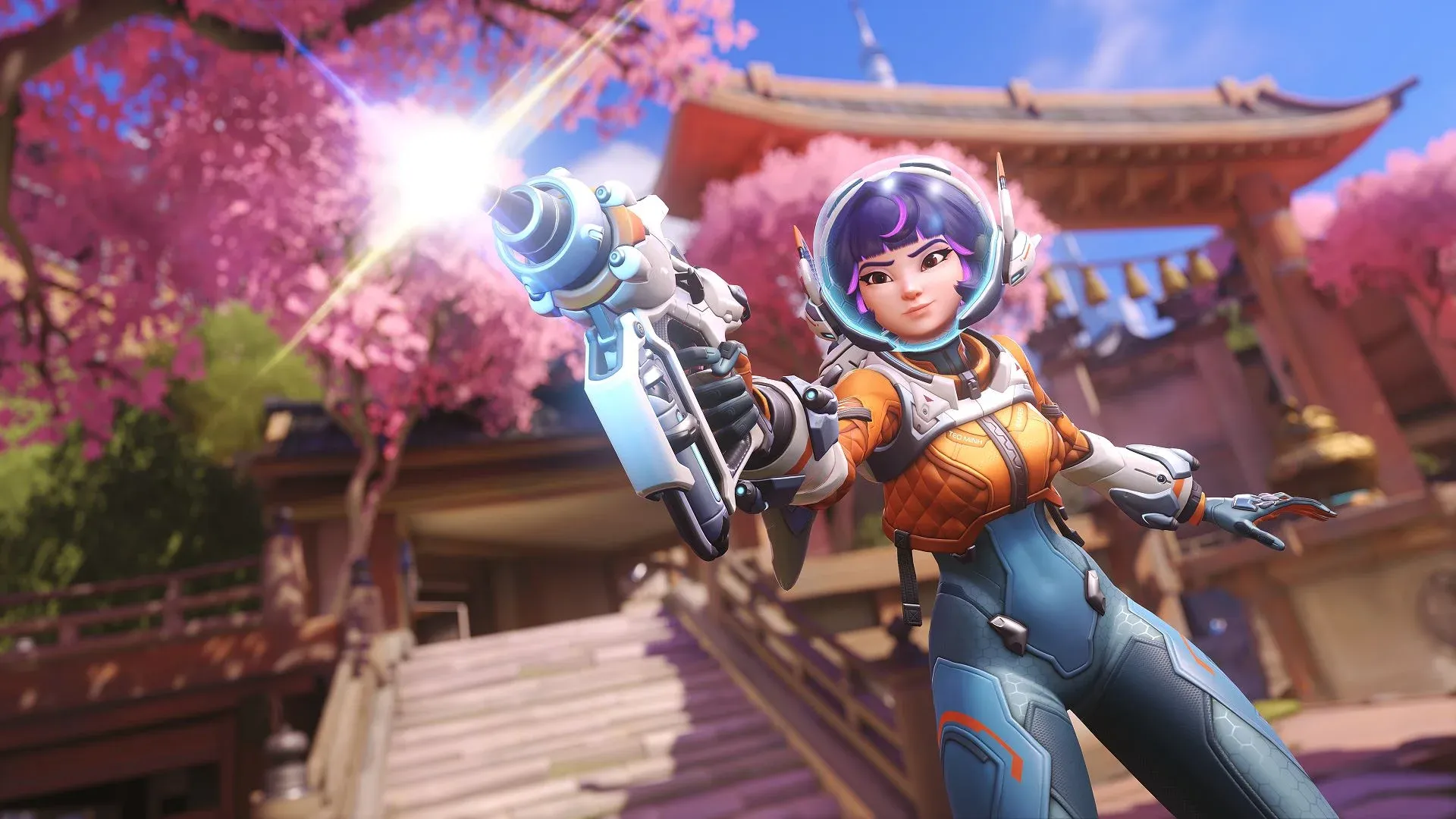
Senior sound designer Nicholas Yochum recently walked through how he built the audio identity for Juno, the Mars-born support hero who launched with a retro-futuristic aesthetic and a kit built around healing torpedoes, hover boots, and a speed ring. The visual direction was clear: something galactic but grounded, futuristic but with a vintage edge. Translating that into sound required getting creative with the source material.
Yochum's process leaned heavily on foley, the art of using real-world objects to generate sounds that get layered, pitched, and manipulated into something entirely new. For Juno's reload animation, he recorded pliers and screwdrivers, then blended those mechanical clicks with synthesizer tones that carry a distinctly blorpy, alien quality. The result sits somewhere between a 1950s sci-fi prop and a modern shooter weapon, which is exactly the tone Juno's design calls for.
Here's the thing: that kind of specificity is what separates forgettable audio from the kind that makes a hero feel like a real entity. Juno doesn't just sound like a generic support character. She sounds like herself.
Designing for role, not just personality
What's particularly interesting about Yochum's breakdown is how much the design process is shaped by gameplay function, not just aesthetics. Early versions of Juno's sound effects skewed too aggressive, inadvertently de-emphasizing her support role. The healing torpedoes didn't read clearly enough as healing. Damage sounds were crowding out the audio cues that communicate to teammates that help is on the way.
The fix wasn't just a volume tweak. It required rethinking which sounds should feel punchy and which should carry what Yochum describes as "more positive healing" vibes. The distinction matters because Overwatch players rely on audio feedback constantly, whether they're the one firing or the one receiving the effect.
This is the kind of detail that never shows up in patch notes but shapes how a hero feels to play every single match.
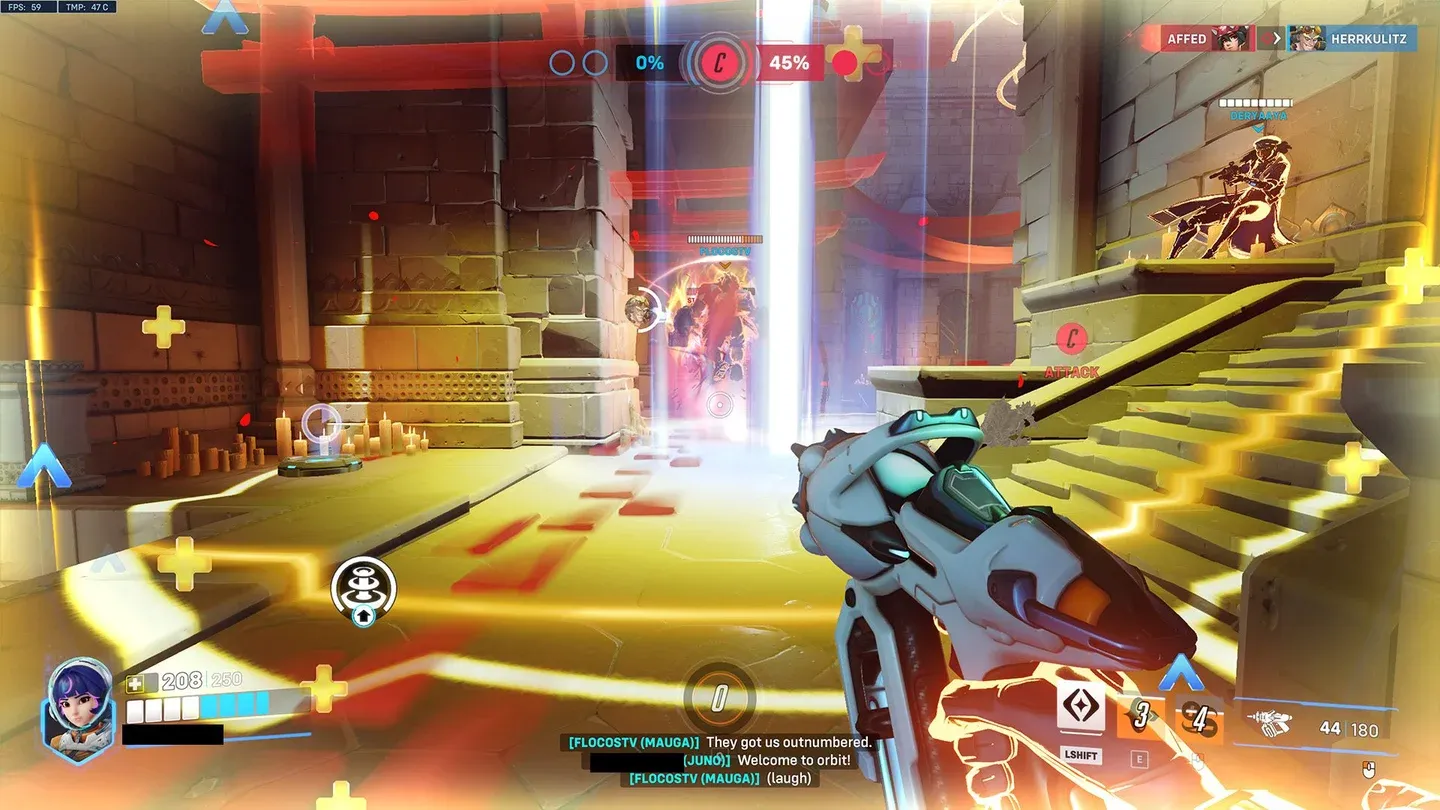
Juno Orbital Ray in action
A growing library of behind-the-scenes breakdowns
Yochum's Juno video is part of a broader series. He has also published deep dives covering Wuyang and Domina, while fellow senior sound designer Felipe Pereira runs his own YouTube channel with detailed breakdowns on heroes including Freja, Illari, and Venture. Each one follows a similar structure: the character's visual and personality direction, the source sounds used in foley recording, the layering and processing choices, and the gameplay considerations that shaped final decisions.
For players who have spent hundreds of hours in Overwatch, these videos reframe the entire experience. The sounds you've been processing as pure instinct, the reload that tells you when to push, the ultimate audio cue that makes you sprint for cover, all of it has a deliberate creative history behind it.
Pro tip: watch these with headphones. The difference between hearing the raw source material and the final processed sound is a lot more striking when you're not listening through laptop speakers.
The series also doubles as a window into what makes Overwatch's audio design hold up across a roster that now spans dozens of heroes. Each character needs to be immediately identifiable by sound alone, readable to opponents and allies simultaneously, and consistent with a personality that extends far beyond their visual design. Getting all three right for every new hero added to the game is a genuinely difficult design problem, and these videos make that challenge feel tangible rather than abstract.
For anyone who wants to keep up with what Blizzard's team is building next, you can find more gaming coverage and analysis across our latest gaming news. Make sure to check out more: