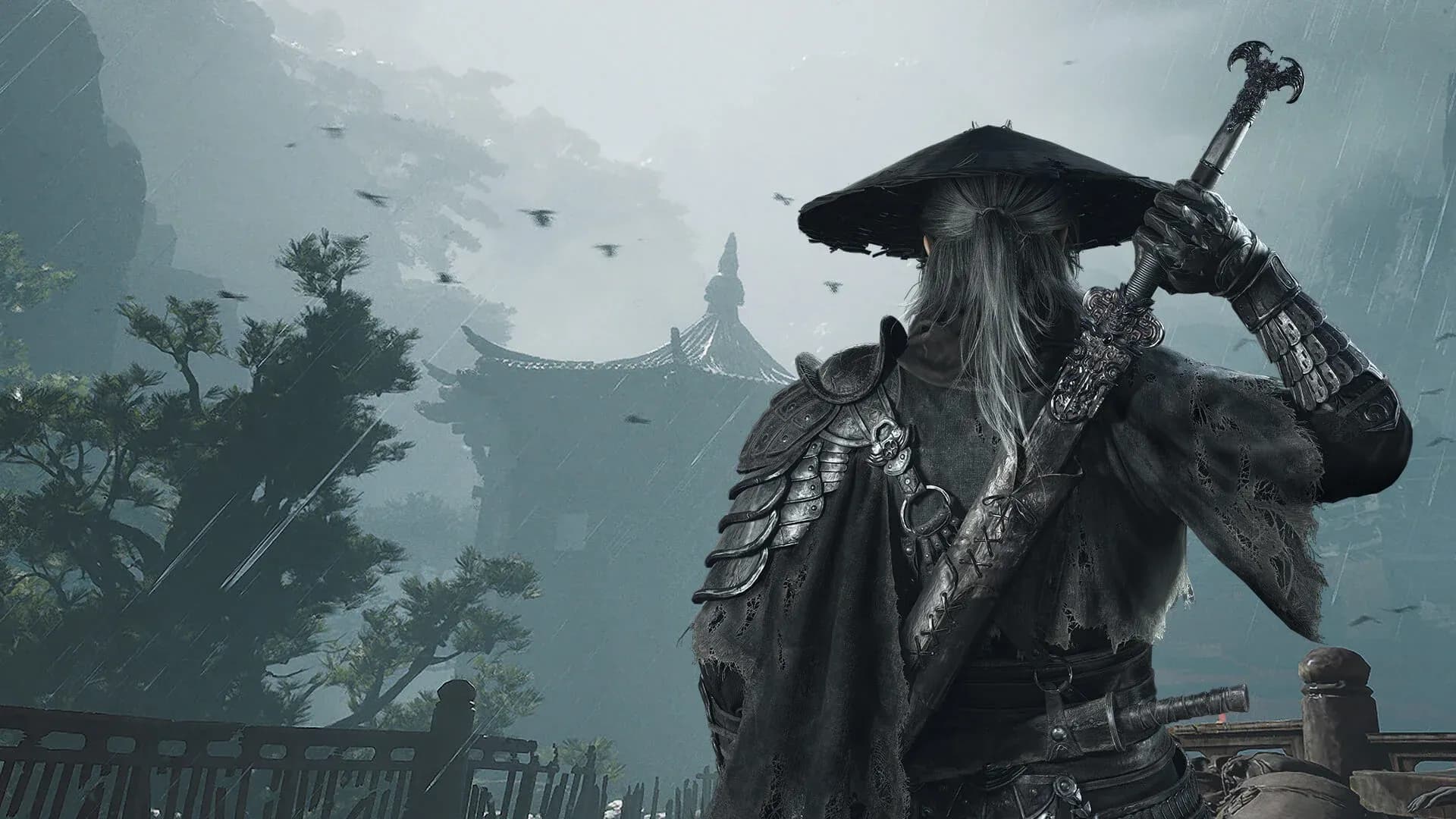

S-Game Studio went on record April 10 to reject AI visual technology in Phantom Blade Zero, after the upcoming action-RPG appeared on Nvidia's list of titles planned to support the controversial DLSS 5 upscaling feature. The timing was deliberate. DLSS 5 had just been widely ridiculed online for generating distorted, AI-smoothed NPC faces that players quickly labeled “slopface.”
Why S-Game felt the need to speak up
Phantom Blade Zero wasn't actually shown running DLSS 5. The issue is that it appeared in an Nvidia blog post listing upcoming games that would eventually support the feature, which is currently exclusive to GeForce RTX 5090 hardware. That association alone was enough to put S-Game in an uncomfortable position, given how badly the community had reacted to what DLSS 5 does to character faces.
Here's the thing: the studio didn't just post a vague disclaimer. It came out swinging with specifics. Character models in Phantom Blade Zero are built from 3D scans of actual people. Voice acting in both Chinese and English went through meticulous refinement. The weapons in the game were physically replicated by real blacksmiths before being translated into the game's art.
"We will not use AI visual tech that could alter our artists' original creative intent," the official Phantom Blade Zero account stated on X. The post continued: "We firmly believe that human artistry is not merely a means for creating value; it is the value itself."
The DLSS 5 controversy that sparked the statement
Nvidia's DLSS 5 drew sharp criticism after tech demos revealed the feature's AI frame generation and upscaling producing faces that looked uncanny and over-processed. The backlash wasn't limited to players either. According to Kotaku's reporting, game developers across the industry expressed frustration with what the tech does to carefully crafted character art.
For a game like Phantom Blade Zero, which has built its pre-release reputation on hand-crafted visual style and a distinct take on kung fu action, being even loosely associated with that kind of AI output is a real problem. The game's appeal is partly rooted in its specificity: bespoke combo systems for each weapon type, traditional swordplay mechanics, and an aesthetic that looks nothing like a generic Souls-like despite surface-level comparisons.
danger
DLSS 5 support was listed for Phantom Blade Zero in an Nvidia blog post, but S-Game has not confirmed it will actually implement the feature. The studio's statement strongly implies it will not.
What this means for the September 6 launch
Phantom Blade Zero is targeting a September 6 release, and S-Game is clearly invested in protecting the game's identity heading into that window. The studio's statement frames the entire project as a labor of genuine craft, not just a product being shipped with whatever tech optimizations are available.
"S-GAME didn't just hire a group of developers to make a game; rather, in our pursuit of continuously building an exceptional, passionate team, we decided to make a game that everyone here could be deeply proud of," the statement reads.
That framing matters. Phantom Blade Zero has generated real anticipation based on its combat design and visual identity. Anything that muddies that identity, even a tech partnership that players associate with AI-generated slop, is a risk S-Game clearly isn't willing to take.
The DLSS 5 drama is still unfolding across the industry, and more developers will likely have to clarify their positions as Nvidia pushes the feature wider. For players following Phantom Blade Zero's progress toward launch, check out the latest gaming news for ongoing coverage as the September window approaches and more details on the game's final build emerge. Make sure to check out more: