Gaming's collision with decentralized tech has created a new category: crypto gaming. Whether it succeeds depends almost entirely on Player Experience (PX) — the thing that decides if mainstream gamers actually stick around in the web3 ecosystem.
This breakdown covers what makes PX work in crypto games. We're talking user-friendly interfaces, in-game economies that don't feel like spreadsheets, and the practical steps that could actually bring blockchain gaming to a wider audience instead of just the early adopters.
Play-to-earn history
Since play-to-earn games peaked in 2021, web3 has been under a microscope. Back then, games like Axie Infinity were huge in developing countries — Nigeria, Ghana, the Philippines. Players earned more than local minimum wage just by playing.
That era didn't last. The Ronin token bridge hack hit hard, and a declining global games market crushed player retention and rewards. Only a handful of those early web3 projects kept growing, exposing cracks in the play-to-earn foundation.
The biggest problem: entry costs. Players often needed to drop hundreds of dollars on NFTs and in-game assets just to start. Those who could afford it found games that looked worse and played worse than the average web2 title — weak graphics, minimal story, clunky mechanics.
Web3 gaming needs to prioritize player experience over play-to-earn models. So what actually drives a good gaming experience?
1) Key elements
Key elements of the player experience in crypto gaming
Making a successful game takes more than visuals and a working economy. That's even harder in blockchain games, where the foundations are still shaky and developers haven't agreed on best practices.
Most web3 games will die if they ignore these core elements. Painful onboarding and mediocre gameplay kill retention.
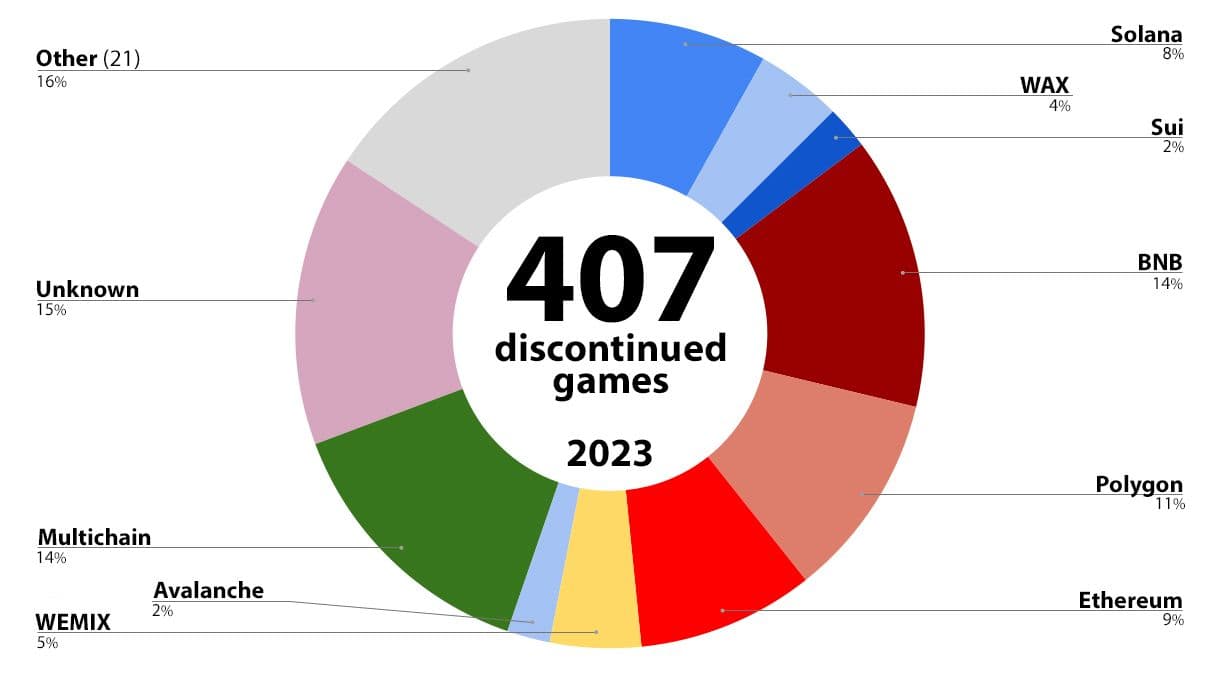
The Big Blockchain Game List from January 2024 lays it out: 911 games listed, but only 334 are live. The other 577 are stuck in development. Since the list started in 2021, 31% of all tracked games — 407 out of 1,318 total — have shut down due to funding issues and bad market conditions.
(A) Motivation
In traditional web2 games, players show up for new experiences, escapism, and curiosity. Two factors drive that: interest and competence.
Interest pulls players into the game world. Competence makes them want to improve and prove themselves. Together, they keep players coming back.
(B) Meaningful choices
Motivation ties directly to meaningful choices, which fall into three categories: agency, strategy, and tactics. Agency lets players shape the game through their decisions, turning passive watching into active participation.
Strategic choices involve long-term planning that affects the overall game state, including how players interact with each other. Tactics deal with immediate decisions — single turns or moments that impact the current situation, whether through game mechanics or player interactions.
(C) Balance
Balance in game design is tricky but necessary for keeping players engaged. The engagement curve shows why: games need a mix of intense moments and relaxed periods. Too much intensity overwhelms players. Too little bores them.
The best games are easy to learn, hard to master. Accessible mechanics for beginners, with complexity that reveals itself to experienced players over time.
(D) Usability
Usability in games comes down to three questions that shape player agency and decision-making. First: what's happening? This covers core mechanics — objectives like scoring points or reaching a finish line.
Second: how do your actions affect other players? Some games minimize interaction. Others, like Warhammer 40,000, make strategy inseparable from what other players do.
Third: what can you actually do? This defines whether a game lets you focus on self-advancement, mess with other players, or both. That choice adds strategic depth.
(E) Aesthetics
The five senses shape how we perceive the world and how we experience games. Digital games use haptics for tactile feedback, deepening immersion. Games can also lean on style and theme. Tall trees that cast shadows affecting gameplay merge design with mechanics in a way that feels natural.
(F) Fun
Fun is subjective. It comes from how players interact with a game, not something designers can directly create. Designers facilitate it by combining the right elements, but those elements don't guarantee fun.
That's a problem for educational games, simulations, and serious games, where fun isn't the goal. The focus is on keeping players engaged enough to keep playing.
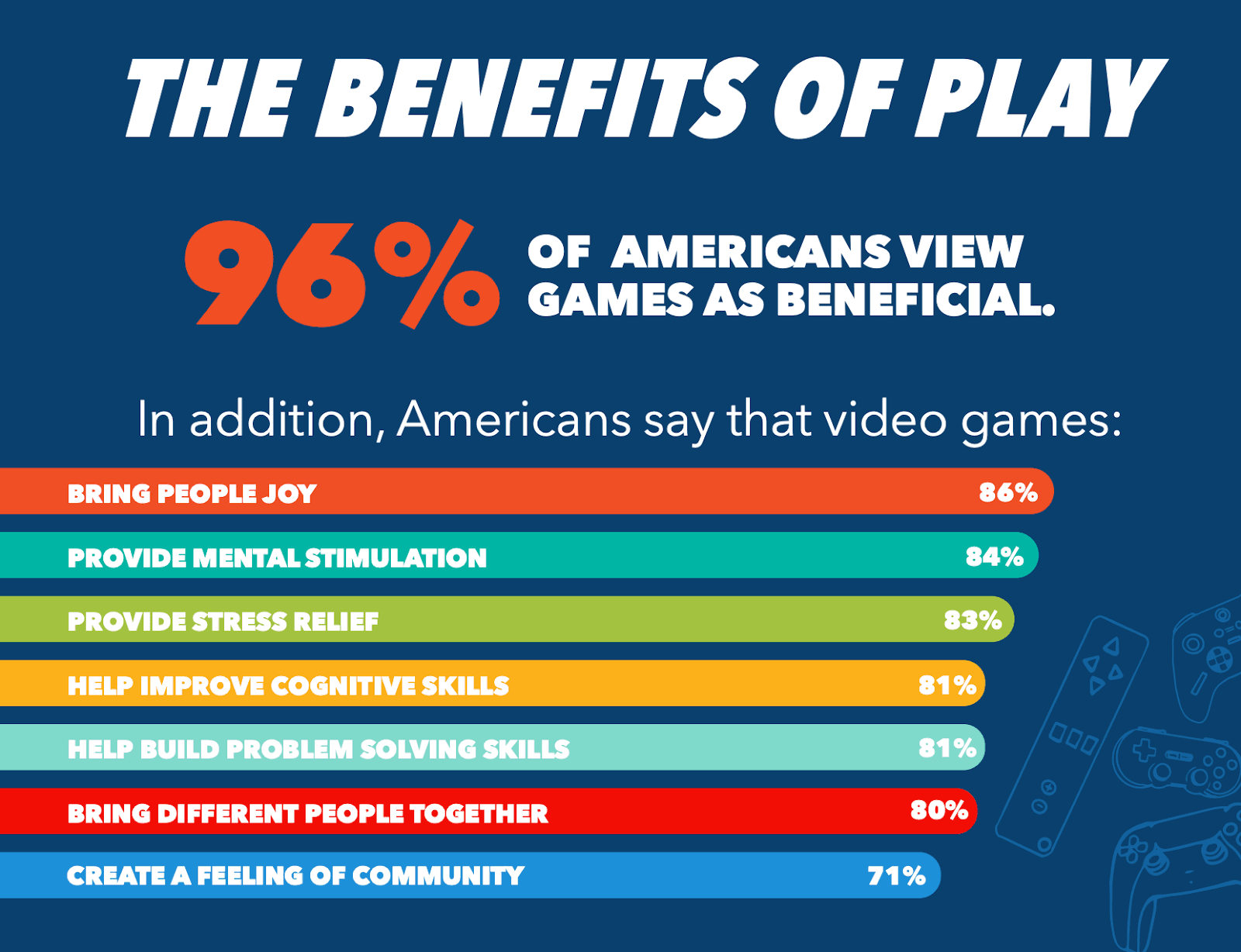
Motivation, choice, balance, usability, and aesthetics all influence how players approach a game. But fun is still the main reason people play.
2) Challenges
The challenges web3 games need to overcome to improve player experience
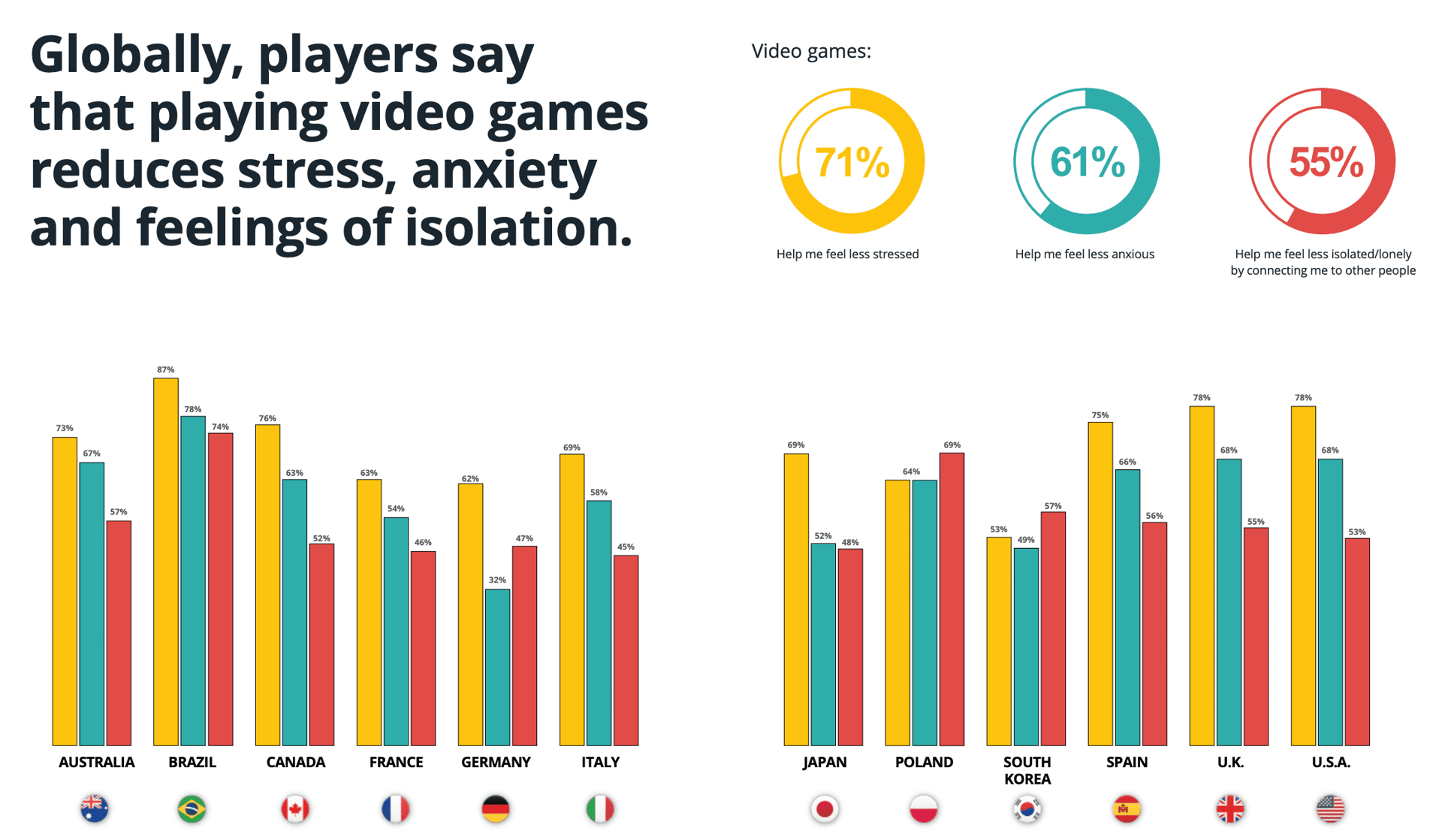
Most crypto games on the market fail these tests. Outdated graphics, clunky gameplay, overcomplicated onboarding, and unrealistic promises about quick money. Research shows that mainstream players are willing to try crypto games to earn extra income, but gameplay quality matters just as much.
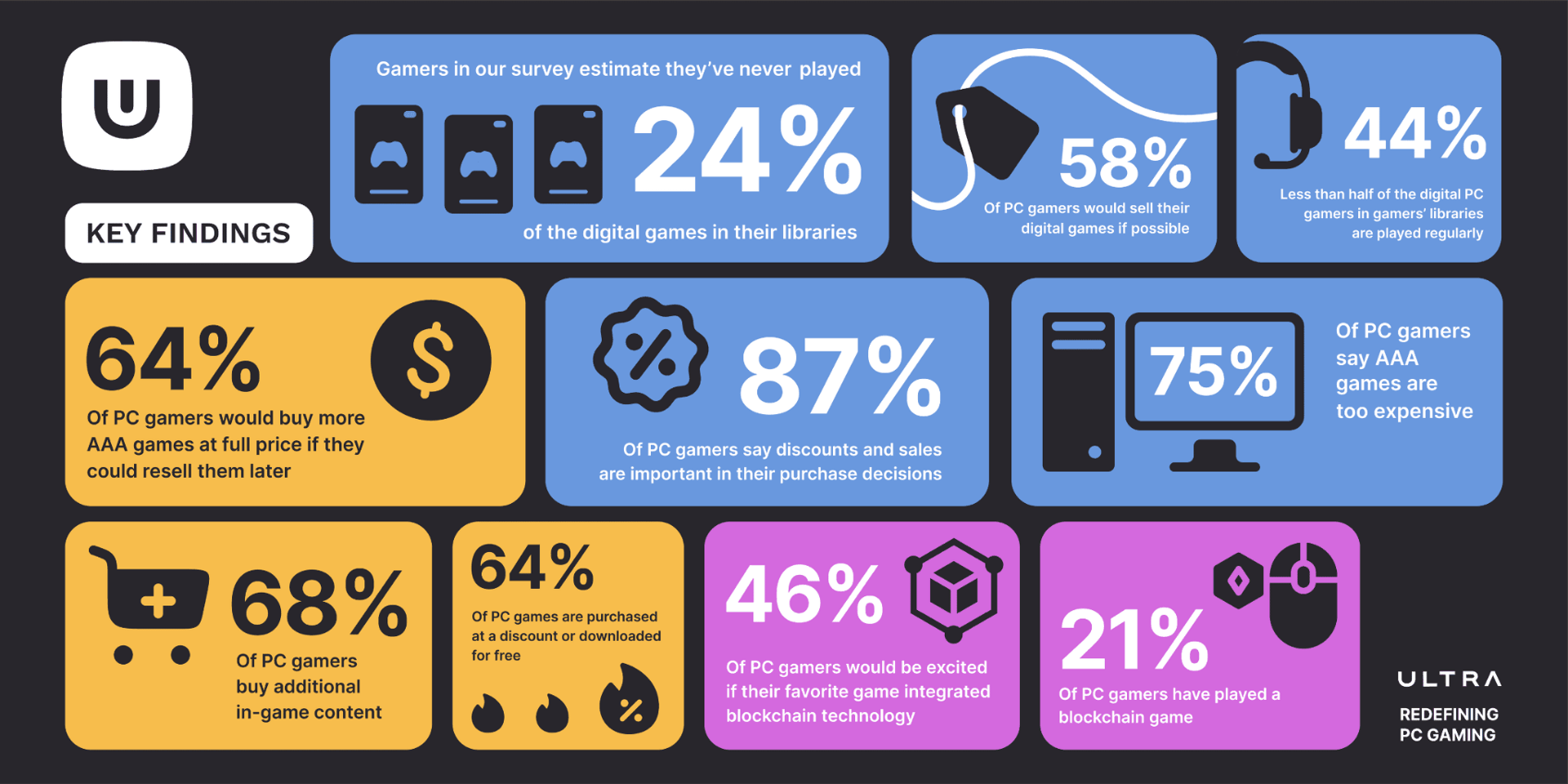
A recent study from Ultra reveals how PC gamers feel about blockchain, NFTs, and cryptocurrency in games. 46% of participants were excited about blockchain integration in their favorite PC games. But when NFTs and cryptocurrency were specifically mentioned, interest dropped to 19%.
New web3 gaming companies need to make engaging, high-quality games that match web2 production values. Blockchain technology should enhance the experience, not dominate it. A well-designed, transparent economy on top of entertaining gameplay — not instead of it. Two more points matter for optimizing web3 games for web2 users: onboarding and buying experiences.
3) Solutions
Smooth user onboarding and player experience
First impressions matter. Addressing general game design best practices is important, but complicated onboarding is the real dealbreaker in crypto games.
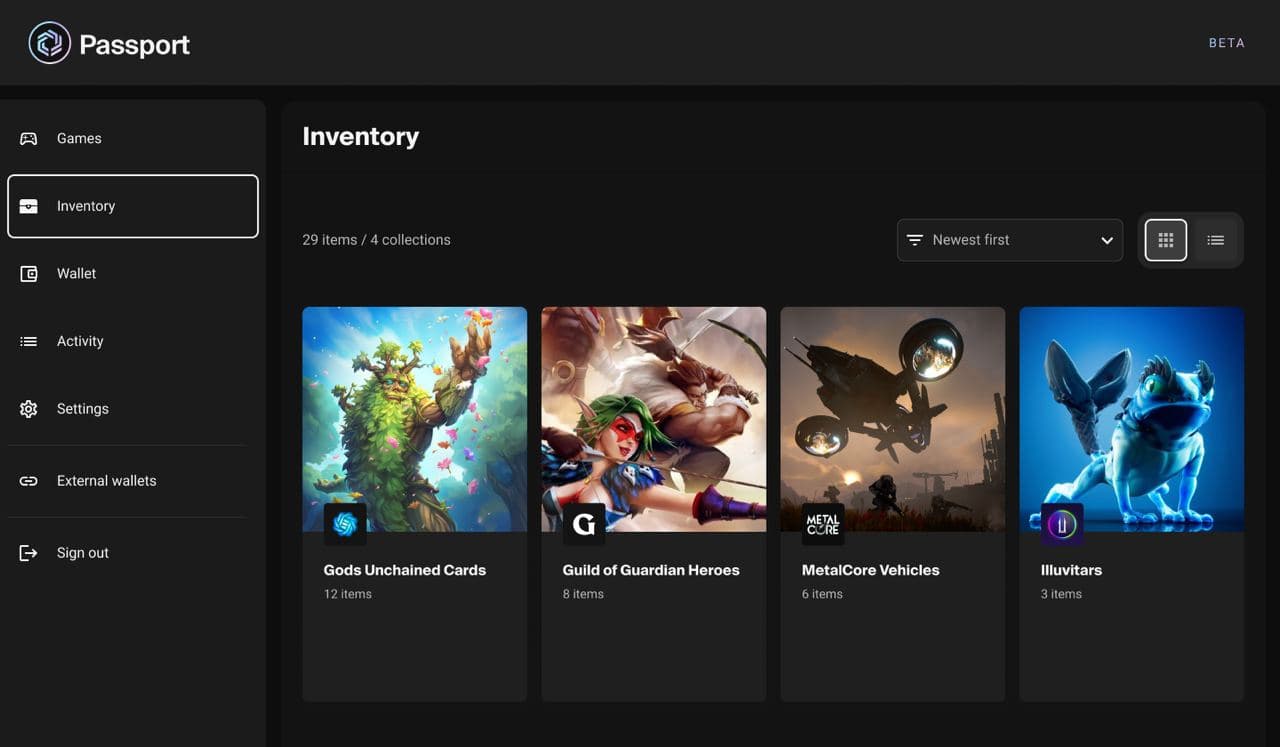
User-friendliness starts at login and extends to every interaction within the game or platform. The environment needs to accommodate users unfamiliar with web3, making their experience straightforward and enjoyable. Built-in wallets with intuitive UI and simple drag-and-drop asset management should be the foundation of a smooth user experience.
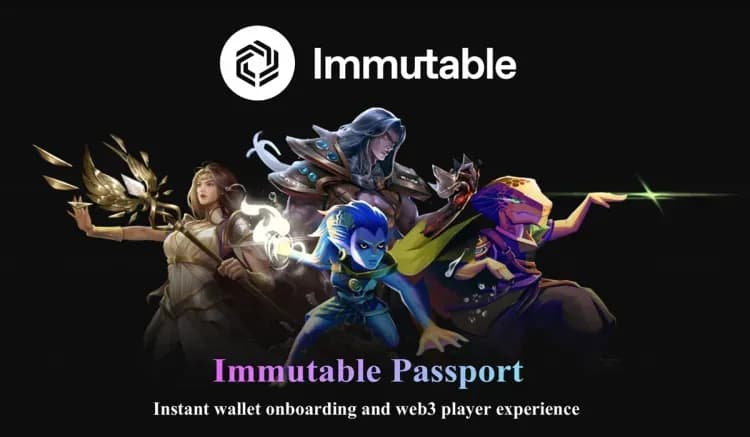
Immutable Passport is a non-custodial wallet and authentication solution built for gamers. It simplifies onboarding by eliminating passwords and automating wallet creation. That improves security and removes friction. Social media logins, unified access across multiple games — Immutable Passport streamlines the entire process.
4) Buying experiences
A recent study from Crypto.com and Newzoo highlights another pain point: fear of financial loss and complicated web3 purchase processes. QORPO Game Studio and Immutable are pushing for a shift in web3 payment methods, prioritizing smoother user experiences and stronger security.
Immutable Checkout offers a checkout management system that improves transaction experiences in gaming and digital marketplaces. Instant purchases and asset swaps, multiple payment methods for a global audience, smart routing for higher conversions.
The platform's configurable interface allows for quick integration and supports over 100 countries. That creates a frictionless buying experience, which is necessary for user retention and community building.
Final thoughts
The future of web3 gaming belongs to games prioritizing player experience
Bringing web3 gaming to mainstream players requires genuinely thought-out player experience models. Game developers need to go beyond engaging design and address complex onboarding and purchase processes. Web3 will only reach mass adoption through games and products that prioritize users.