

The poker roguelite that took over gaming didn't find its publisher through a pitch deck, a trade show booth, or a carefully timed marketing campaign. Someone at Playstack just happened to be scrolling through Steam new releases on the right day.
That's the origin story of how Balatro landed its publishing deal, and it says a lot about both how the indie game market actually works and how much of the industry still runs on old-fashioned human attention.

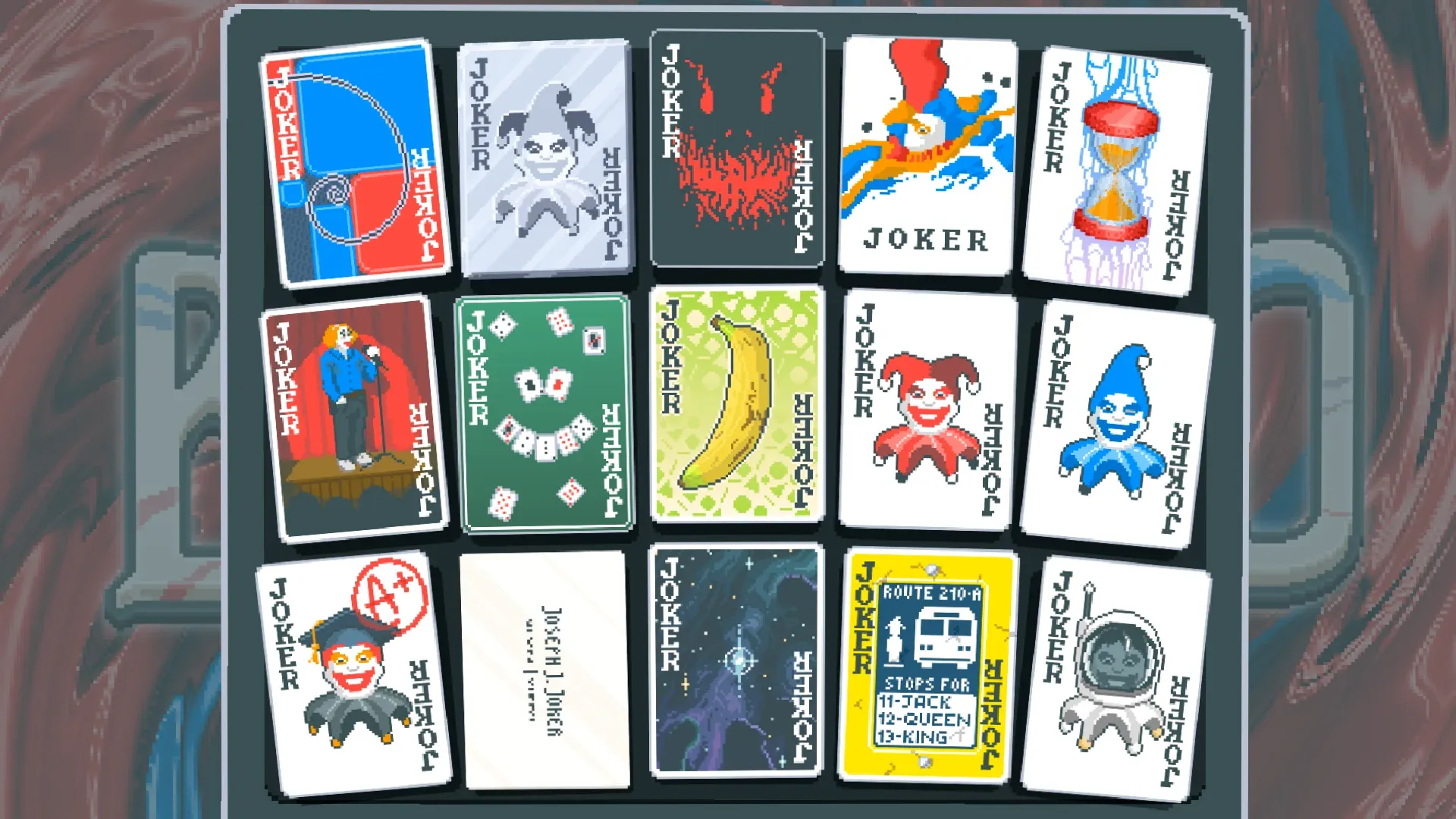
Balatro's iconic joker screen

Use code TRYHARD33 at checkout to redeem this offer before code expires again.
Get 33% Off GAMES+ Subscription
The daily Steam scroll that changed everything
Playstack had a person whose job included checking every new release that appeared on Steam. Not an algorithm, not a recommendation engine. A human being, manually browsing, every day. That employee spotted Balatro the day it went live on the platform, and the rest is history.
Here's the thing: this kind of discovery method sounds almost quaint in the era of data-driven publishing pipelines. But it worked. Balatro, a game built by solo developer LocalThunk, went on to become one of the most talked-about indie titles in recent memory, selling millions of copies and picking up awards including a BAFTA.
The story rhymes with something broader happening across entertainment right now. Big franchises and algorithmically safe bets are no longer guaranteed wins, while genuinely original work, found through genuine human curiosity, keeps breaking out in ways nobody predicted.
What most players miss about indie discovery
Steam releases thousands of games every year. The platform's own discovery tools have improved, but they still favor games that already have momentum, wishlists, and prior visibility. A brand-new game from an unknown solo developer with no marketing budget is statistically easy to miss.
Playstack's approach of stationing someone to watch the new releases feed is low-tech but genuinely effective. It removes the filter bubble that recommendation systems create. You see everything, including the weird little poker card game that would go on to sell millions.
The key here is that LocalThunk had built something that could speak for itself immediately. The moment someone with a good eye for games saw it, the value was apparent. No trailer needed, no influencer campaign required. The game's concept, a poker-based roguelite with joker card multipliers and a genuinely addictive loop, communicated itself on sight.
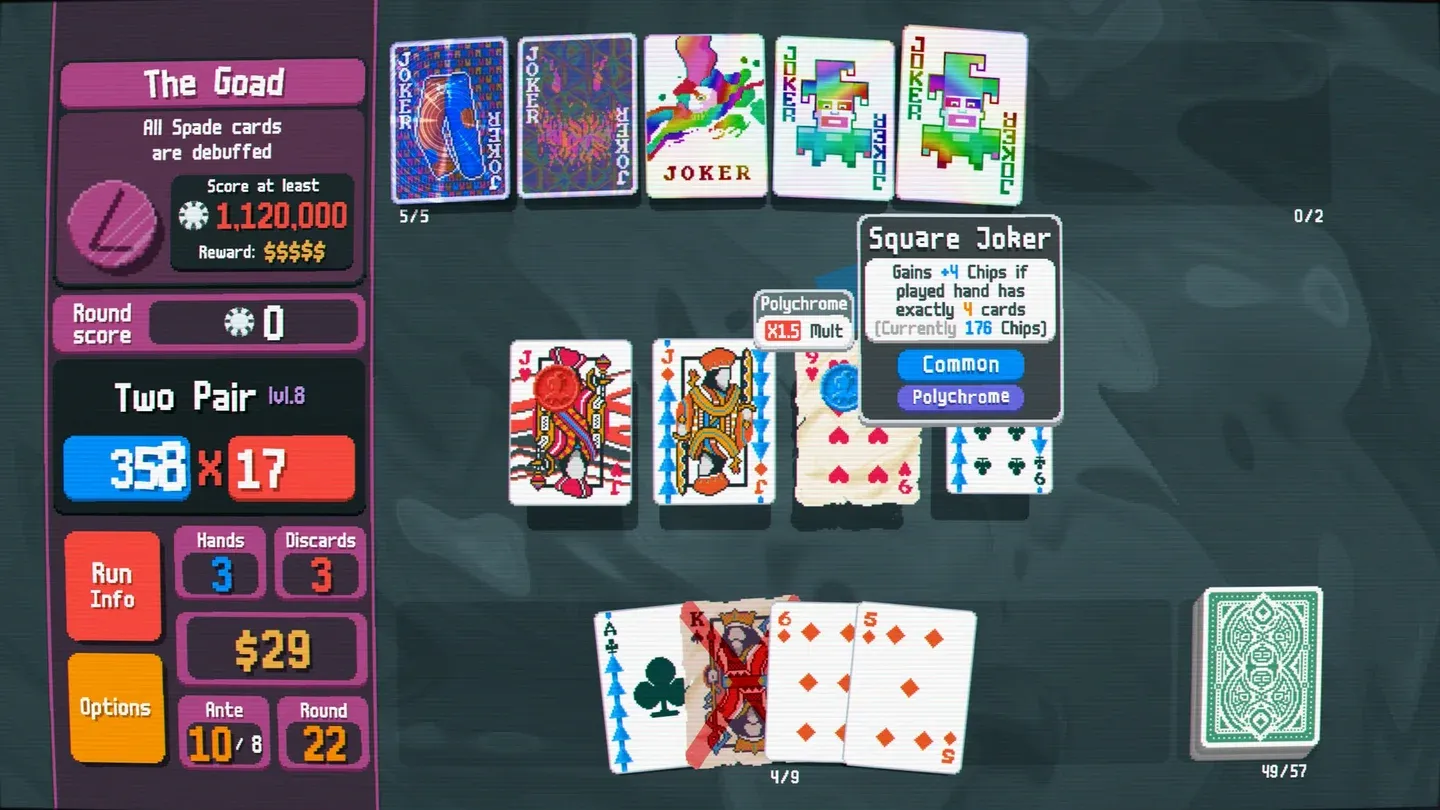
Balatro's multiplier system
Why this story matters for the indie space
The Playstack-Balatro discovery story is a useful counterpoint to the idea that indie success is purely about marketing spend or platform algorithms. Sometimes it really does come down to one person paying attention.
For players, the practical takeaway is that Balatro exists as a fully realized, deeply replayable strategy game precisely because it had a publisher willing to support it after that initial discovery. Playstack handled the business side, letting LocalThunk focus on the game itself through post-launch updates and platform expansions.
That partnership model, where a small publisher actively hunts for overlooked talent rather than waiting for pitches to arrive, is one of the healthier dynamics in the current indie ecosystem. It's not scalable in the traditional sense, but it produces results that purely algorithmic scouting consistently misses.
Playstack is currently navigating its own corporate uncertainty, with reports suggesting the company could be acquired by a private equity firm. Whatever happens at the business level, the Balatro discovery story is a good reminder that the best finds in gaming often come from someone willing to put in the manual work.
If you want to understand what made Balatro worth finding in the first place, the Balatro hidden mechanics and tips guide breaks down the card ordering tricks and interest economy systems that make every run feel distinct. The game rewards the kind of close attention that, apparently, its publisher was already paying.