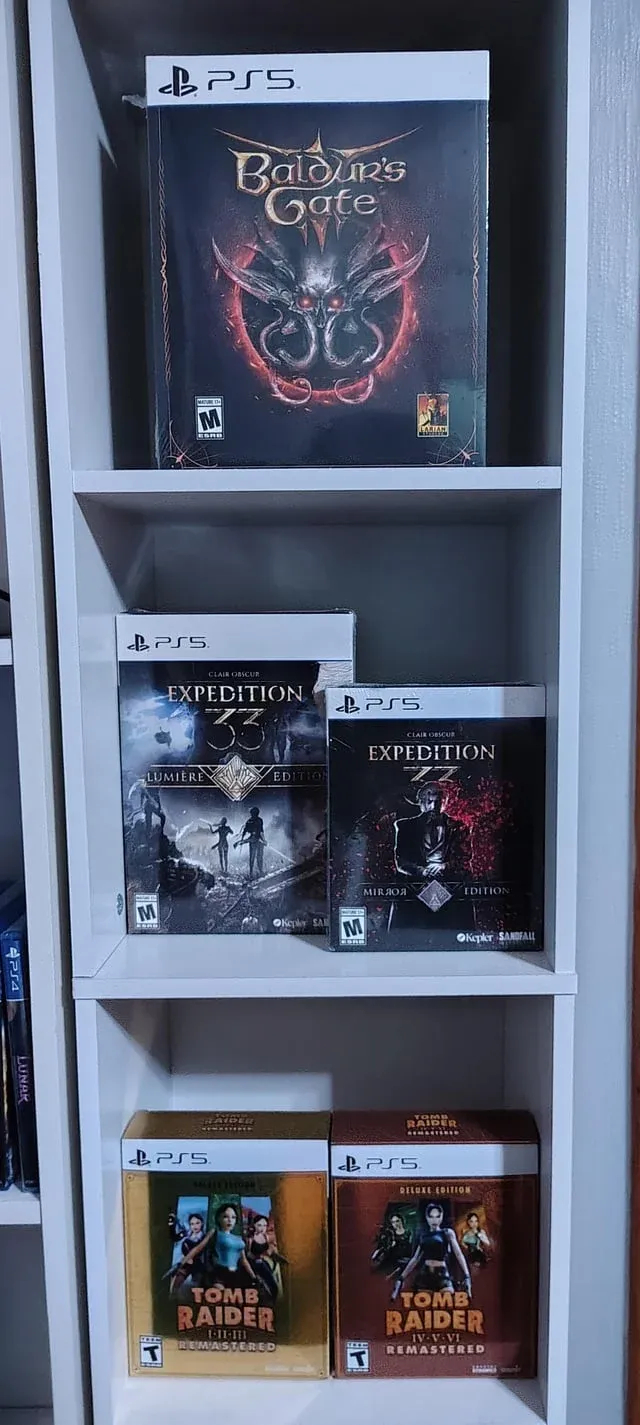


Sony has made its position on physical media pretty clear. PlayStation is ending physical disc production for new games by 2028, with the company citing a "general preference for digital media" that "significantly outpaces physical discs." The message from the platform holder is simple: discs are done, digital is the future, move on.
Here's the thing, though. While Sony is busy phasing out disc drives, the music industry just recorded a 16% surge in US CD sales during the first half of 2026, reaching 16.3 million units. That growth vastly outpaces vinyl, which managed a modest 2.4% increase over the same period. Physical media, it turns out, is not quietly dying in the corner.

Use code TRYHARD33 at checkout to redeem this offer before code expires again.
Get 33% Off GAMES+ Subscription
The Gen Z angle nobody saw coming
The most striking detail buried in that 16% figure is who is actually buying these CDs. Roughly half of Gen Z and Millennial CD buyers in the US do not own a CD player. Let that sit for a second.
These are not nostalgic 40-somethings dusting off their old stereos. These are younger consumers purchasing physical music as a collectible, as a direct financial gesture toward artists they care about, and as a tangible object in an increasingly intangible world. The CD has been recontextualized from a functional audio format into an affordable keepsake.
Major K-pop releases played a significant role here. BTS's ARIRANG and a packed K-pop release schedule drove a substantial chunk of that growth. Strip out K-pop entirely, though, and US CD sales still grew by a notable 6.7%. The physical revival is broader than any single genre.
Why this creates an awkward moment for PlayStation
The gaming industry and the music industry operate on different economics, and that matters here. When someone buys a CD instead of streaming the same album, the artist sees meaningfully more revenue and the label takes less of a streaming cut. Physical game sales, by contrast, generate comparable revenue to digital for publishers once you account for retail overhead eating into margins.
So the financial argument for physical games has always been weaker than it is for music. Sony's decision to move away from discs is not purely anti-consumer posturing. There is a real business logic to it.
But the other reasons people reach for physical media, the collectibility, the permanence, the fact that a publisher cannot remotely delete something you own on a shelf, apply just as strongly to games as they do to CDs. The physical US games market actually recorded minor growth recently, the first uptick in 17 years, which makes Sony's timing feel particularly aggressive to the players who still care about owning their library.
Developers and publishers have not been quiet about it either. Studios behind titles like Baldur's Gate 3 publicly called PlayStation's announcement "heartbreaking." Digital rights advocates have framed the move as converting customers from owners into renters, a characterization Sony has not directly addressed.
What the physical-media pivot actually tells us
The key here is that the music CD story is not really about CDs. It is about a generation of consumers who grew up entirely in the streaming era and are now actively choosing to own something physical, even when they lack the hardware to use it functionally. That behavioral shift is real and it is documented.
Whether it translates to gaming is a harder question. Games cost significantly more than CDs, the second-hand market is more complex, and the convenience gap between digital and physical is wider for games than for music. You can rip a CD in minutes. A disc-based game still requires installation, patches, and often an internet connection anyway.
Still, the appetite for physical ownership among younger consumers is not a myth. It is showing up in sales data right now, in the same moment that one of the biggest platform holders in gaming is betting everything on the opposite trend.
For players who want to stay across everything happening in gaming right now, the gaming guides hub has you covered across platforms and genres. If you are playing on PlayStation and want to make the most of what is still available, the Saros free PSN avatars guide is worth a quick look before those limited-time codes expire. And for something completely different, the Forza Horizon 6 Horizon Decades Autumn playlist guide breaks down every challenge and reward in the current seasonal rotation.