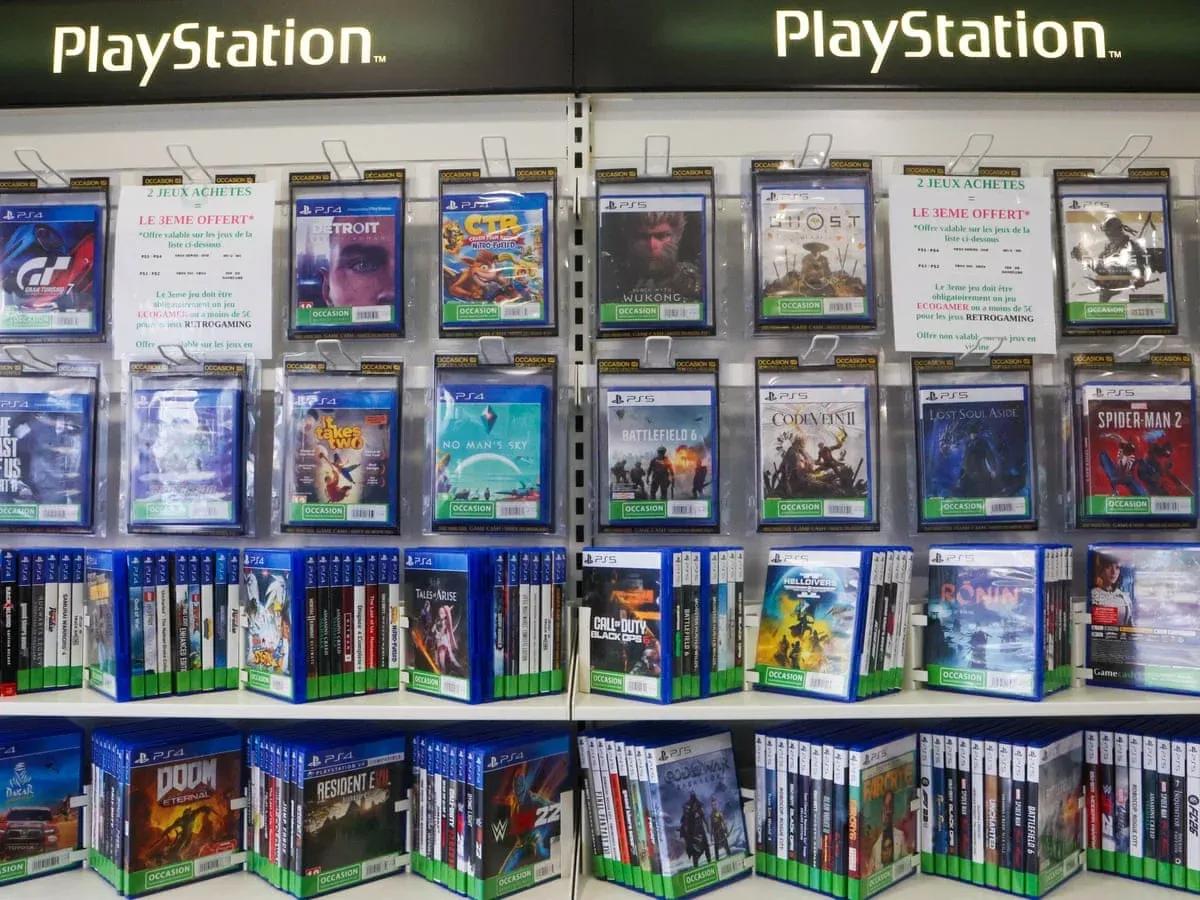

"A disc can be shared with family, traded in, collected, preserved and, crucially, still played years from now. A download licence often offers none of those freedoms." That's Kim Bayley, CEO of the Entertainment Retailers Association (ERA), and she's not mincing words about Sony's decision to end physical disc production for new PlayStation games by January 2028.
The ERA represents major UK game retailers including Amazon and Sainsbury's, so this isn't a fringe consumer complaint. This is the trade body for the people who actually sell games on shelves, and they're telling Sony directly that walking away from physical media is bad business and bad for players.
A $402 million market Sony is choosing to leave behind
The ERA's position is backed by hard numbers. UK disc-based game sales were valued at over $402 million in 2025. That's not a dying format on life support. That's a market with real money still moving through it, and Sony has decided it no longer wants a piece.
Bayley put it plainly: "ERA consumer data shows that 25% of under 25s use discs for gaming." That stat is worth sitting with for a second. A quarter of the youngest gaming demographic, the exact audience that Sony presumably wants to keep for the next 30 years, still buys physical. These aren't nostalgic collectors hunting for boxed editions of PS1 classics. These are young players actively choosing discs right now.
What ownership actually means when the servers go dark
Here's the thing about digital licenses: you don't own them the way you own a disc. You own access to them, for as long as the platform decides to keep the lights on. Sony can, and historically does, shut down older storefronts. When that happens, digital purchases tied to those servers become unplayable.
A physical disc doesn't have that problem. It worked in 1997. It works today. The same cannot be said for a license tied to a PlayStation Network account that may or may not exist in 2045.
Bayley's argument connects directly to this. "Removing discs doesn't represent progress," she said. "It simply removes choice. That's bad for gamers, bad for retailers, and ultimately bad for the long-term health and preservation of our games industry."
The preservation angle is real. Physical media is how gaming history survives. Entire generations of games exist today because someone kept a cartridge in a drawer or a disc in a case. A download that's been delisted is just gone.
The unusual coalition pushing back against Sony
What makes this moment different from the usual online discourse is who's actually complaining. Retailers, developers, publishers, and players rarely agree on anything. Right now, they're all saying the same thing about Sony's disc exit.
Developers behind games like Baldur's Gate 3 have called the decision "heartbreaking." Retail trade bodies are citing economic data. Players are flooding Sony's social posts with pushback. Analysts are comparing the move to Apple removing the CD drive from MacBooks, though notably without the same level of consumer acceptance that followed Apple's hardware changes.
The key here is that these groups have very different reasons for caring, but they've landed in the same place. Retailers lose a sales channel. Developers lose a physical release option that some studios specifically value. Players lose ownership, resale rights, lending, and long-term access guarantees.
Sony's position and where this goes next
Sony's own framing, published on the PlayStation Blog in July 2026, cited a "general preference for digital media" that "significantly outpaces physical discs" as the justification. The company says it remains committed to delivering a "world-class gaming experience" through digital storefronts.
Analysts tracking the situation have said Sony will not reverse course. The company reportedly anticipated the backlash and is waiting for the reaction to settle. Whether it does settle, given the breadth of opposition now including organized retail trade bodies with economic data, is a different question.
The ERA's statement adds institutional weight to what could otherwise be dismissed as gamer nostalgia. This is now a formal industry objection backed by market figures, and it's going on record before the 2028 deadline arrives.
For players planning purchases between now and January 2028, physical editions of upcoming titles are worth paying attention to. Our gaming guides cover preload and file size details for major upcoming releases, including the Pragmata preload and game size guide and the 007 First Light preload guide for PS5, PC, and Xbox Series X|S, which are useful if you're deciding between physical and digital for upcoming launches.