

PlayStation is officially closing the door on PC ports for its narrative-driven single-player games. During a company town hall this week, PlayStation Studios business CEO Hermen Hulst informed staff that first-party story-driven titles will now remain console exclusives.
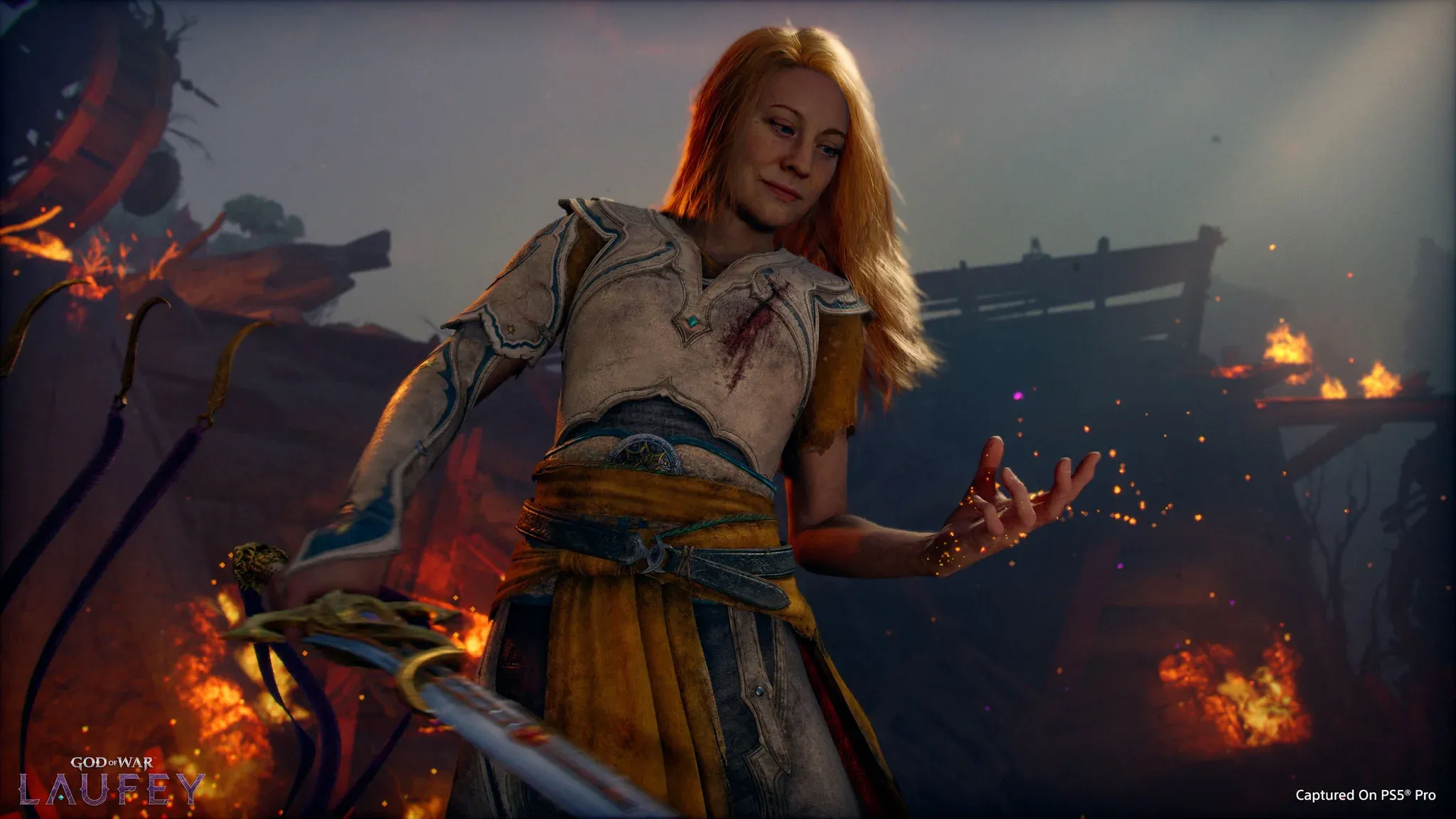
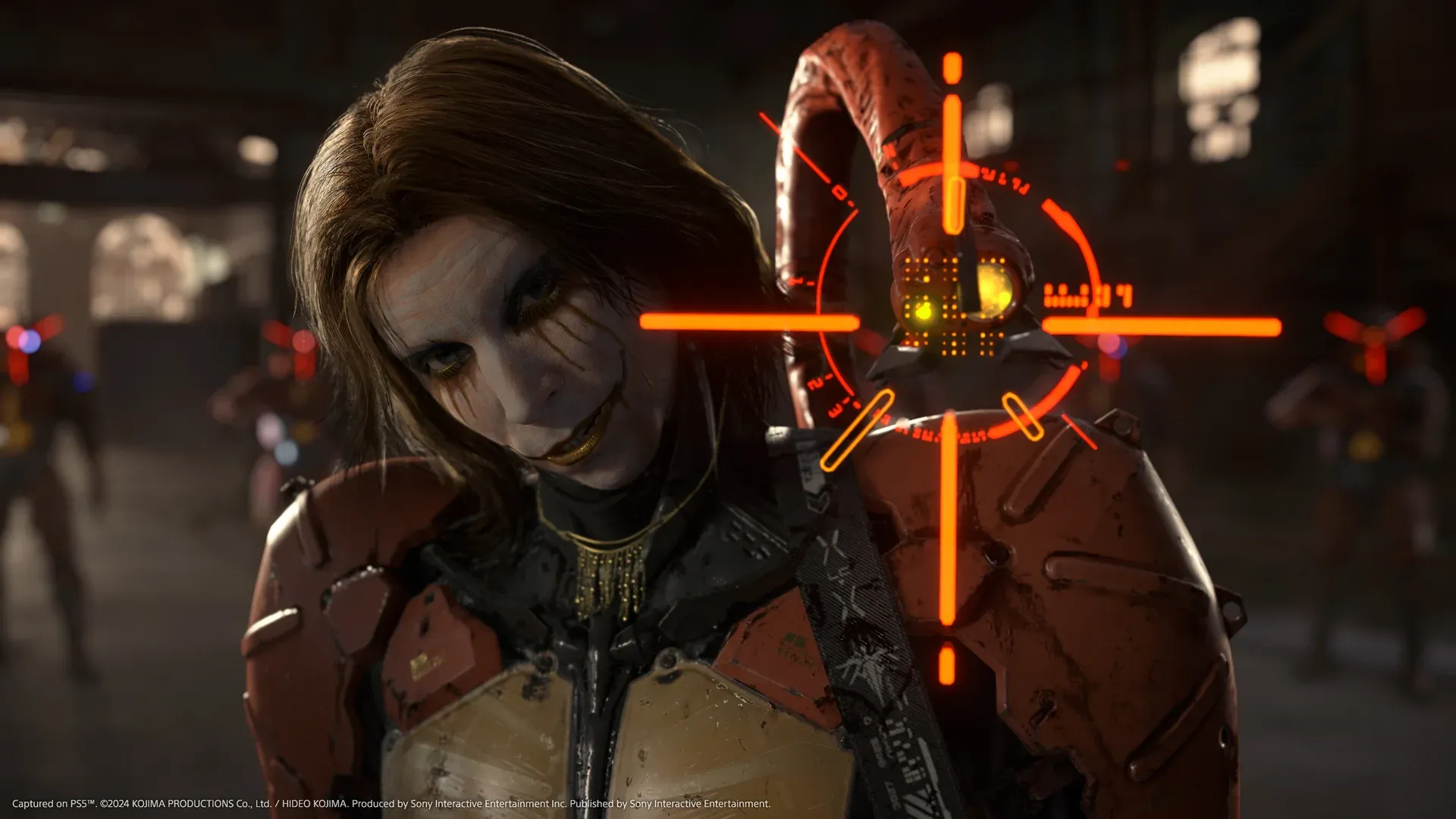
Here's the lowdown: if you want to play Ghost of Yotei, Saros, Intergalactic: The Heretic Prophet, or Marvel's Wolverine, you'll need a PS5. None of those games are expected to arrive on PC under this new direction.

Use code TRYHARD33 at checkout to redeem this offer before code expires again.
Get 33% Off GAMES+ Subscription
Six years of PC ports, now shelved
Since around 2020, PlayStation had been steadily bringing its biggest single-player games to PC, usually months or years after their PS5 debut. God of War, Marvel's Spider-Man, Ghost of Tsushima, The Last of Us Part I and Part II all made the jump. The thinking was straightforward: squeeze additional revenue from players who weren't going to buy a PlayStation console, and maybe convert some of them into PS5 owners ahead of sequels.
The strategy had some logic to it. But the numbers told a complicated story.
What the Steam data actually showed
Marvel's Spider-Man 2, one of PlayStation's biggest releases in recent memory, peaked at just 28,117 concurrent players on Steam. For a game starring Spider-Man, that is a genuinely underwhelming result. Compare that to Helldivers 2, which hit 458,208 concurrent players on Steam, and the gap becomes hard to ignore.
The key difference between those two cases goes beyond genre. Helldivers 2 launched simultaneously on PS5 and PC, while most single-player titles arrived on PC much later. That simultaneous release likely gave Helldivers 2 a massive head start in building a PC audience.
The multiplayer carve-out that matters
What most players miss in headlines like this is the fine print. Hulst's comments targeted narrative-driven single-player games specifically. Multiplayer-focused titles appear to remain eligible for PC releases, and given how well Helldivers 2 performed across both platforms, that distinction makes sense from a business standpoint. PlayStation seems to be drawing a clear line between games where platform exclusivity drives hardware sales and games where a bigger player pool benefits everyone.
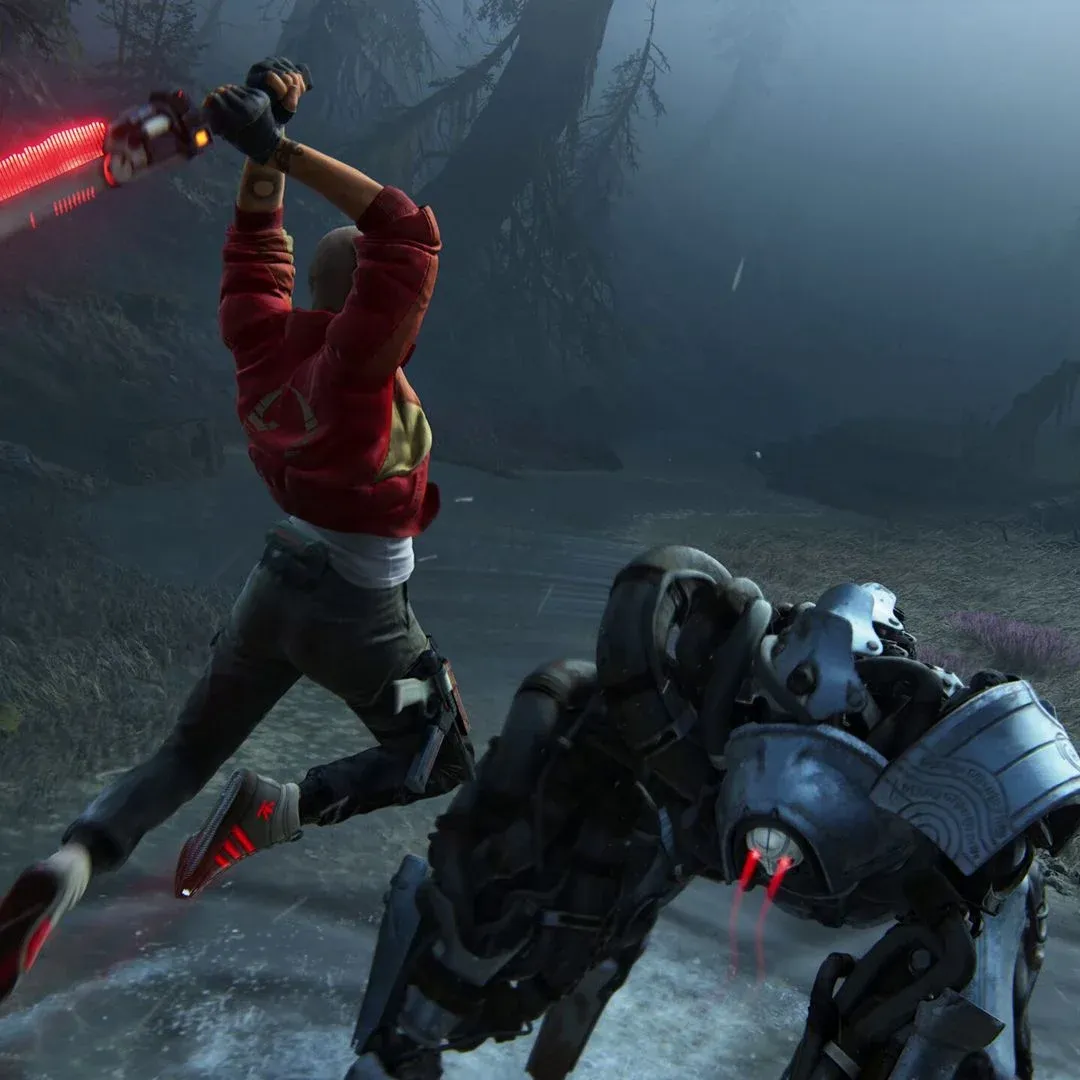
Intergalactic stays PS5-only
Former PlayStation exec raises the money question
Not everyone inside the industry is convinced this is the right call. Former PlayStation executive Shuhei Yoshida recently raised a pointed concern, noting that PC revenue from delayed ports "must have helped recoup the investment of these big budget games" and allowed teams to reinvest in new projects. His question was direct: without that extra revenue stream, how does PlayStation sustain the budgets required for its AAA single-player output?
It is a legitimate concern. These games cost enormous amounts to develop, and the PC market, even with modest concurrent player numbers, still represents real money left on the table. Earlier this year, reports emerged that PlayStation was moving back toward console exclusivity in part because some internal voices worried PC availability was hurting PS5 sales. Hulst's town hall remarks appear to confirm that concern won the internal debate.
Where Xbox fits into all this
The timing is worth noting. Xbox is simultaneously reassessing its own exclusivity approach under new boss Asha Sharma. Games like Fable and Forza Horizon 6 are confirmed for PS5, with Fable expected to launch day-and-date on both Xbox and PlayStation platforms. The two platform holders are essentially moving in opposite directions right now, with PlayStation pulling games back toward its own hardware and Xbox continuing to spread across platforms.
For PS5 owners, this is good news. Console exclusivity gives PlayStation a concrete reason to buy the hardware. For PC players who discovered God of War or The Last of Us through Steam ports, the window has closed, at least for the next wave of PlayStation's single-player lineup.
Keep an eye on how Fairgames and other multiplayer projects are positioned when their release dates get closer. That will be the real test of whether PlayStation's new policy holds, or whether the multiplayer carve-out quietly expands over time. For more on what's worth playing across platforms right now, check out our game reviews and gaming guides to stay up to date.