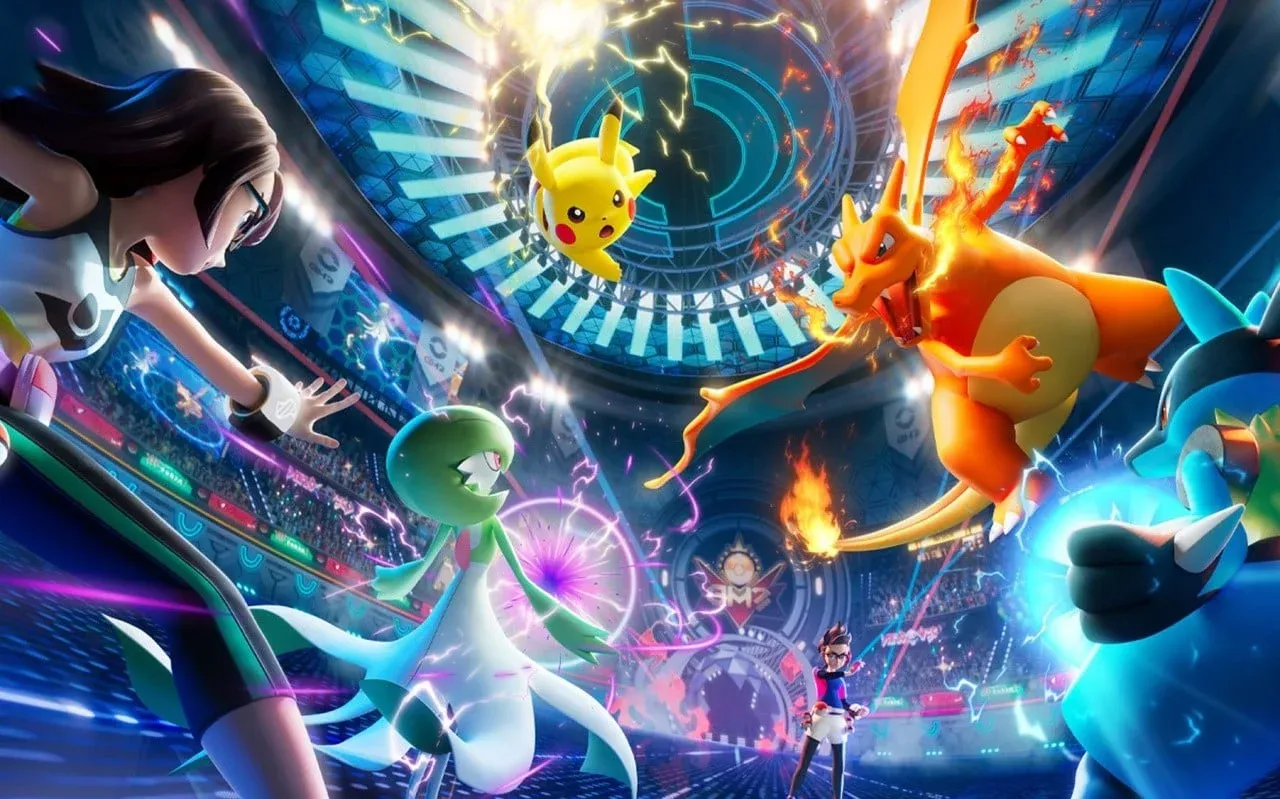

Pokémon Champions launched with a battle pass system that splits rewards across a free track and a paid tier priced at $9.99 per season. The structure is familiar if you've played any free-to-play game in the last five years, but the specifics of what you actually get, and how you earn progress, are worth understanding before spending anything.
What the pass actually gives you
The battle pass runs 50 tiers per season. The first 30 tiers contain the meaningful rewards: Pokémon, Mega Evolution stones, and clothing items. Tiers 31 through 50 convert to bonus VP (the game's in-game currency), and that applies to both the free and paid tracks equally.
The paid pass for Season 1 adds Emboar and Feraligatr, along with their Mega Evolution stones. Here's the thing, though: both Pokémon are already part of the standard Champions roster, meaning they can show up through recruitment draws. Players who own them in other games can also transfer them directly from Pokémon Home. The Mega Evolution stones for both are available in the Frontier Shop for 2,000 VP each.
Strip all that away and the items that are genuinely exclusive to the paid pass come down to cosmetics: trainer icons and clothing. That's a fairly thin value proposition for $9.99.
danger
Teammate Tickets appear in the paid pass but are also earnable for free through daily missions. Training Tickets, which let you adjust a Pokémon's stats without spending VP, are normally locked behind a membership and member-exclusive missions, so they represent some actual value if you're not a subscriber.
The ranked-only XP grind
Progress through the battle pass comes exclusively from ranked battles and ranked competitions. Casual matches earn zero battle pass XP, win or lose.
At the Poké Ball rank, a win nets roughly 100 XP, enough to clear one full tier. Losses drop that down to around 25 XP. It's a system that rewards consistent competitive play heavily, and punishes players who prefer lower-stakes matches just as heavily.
The key here is that the battle pass isn't designed for casual players. If you're not regularly queuing ranked, progress will be slow regardless of which track you're on.
Free vs. paid: a quick comparison
Who should actually pay
The paid pass makes the most sense in a narrow set of circumstances: you want Emboar or Feraligatr without relying on recruitment RNG, you'd rather not grind VP for their Mega Stones, or you're not a subscriber and want Training Tickets. If none of those apply, the free track covers most of the meaningful content.
What most players miss is that the cosmetics, usually the main draw of paid battle passes in games like Fortnite or Rocket League, aren't particularly compelling here. The pass isn't predatory, but it's also not a strong sell at face value.
For players still getting their bearings with Pokémon Champions' systems, browse more guides covering the game's mechanics and progression. If you're weighing other free-to-play releases with similar monetization models, the latest reviews can help put the value in context. Make sure to check out more: