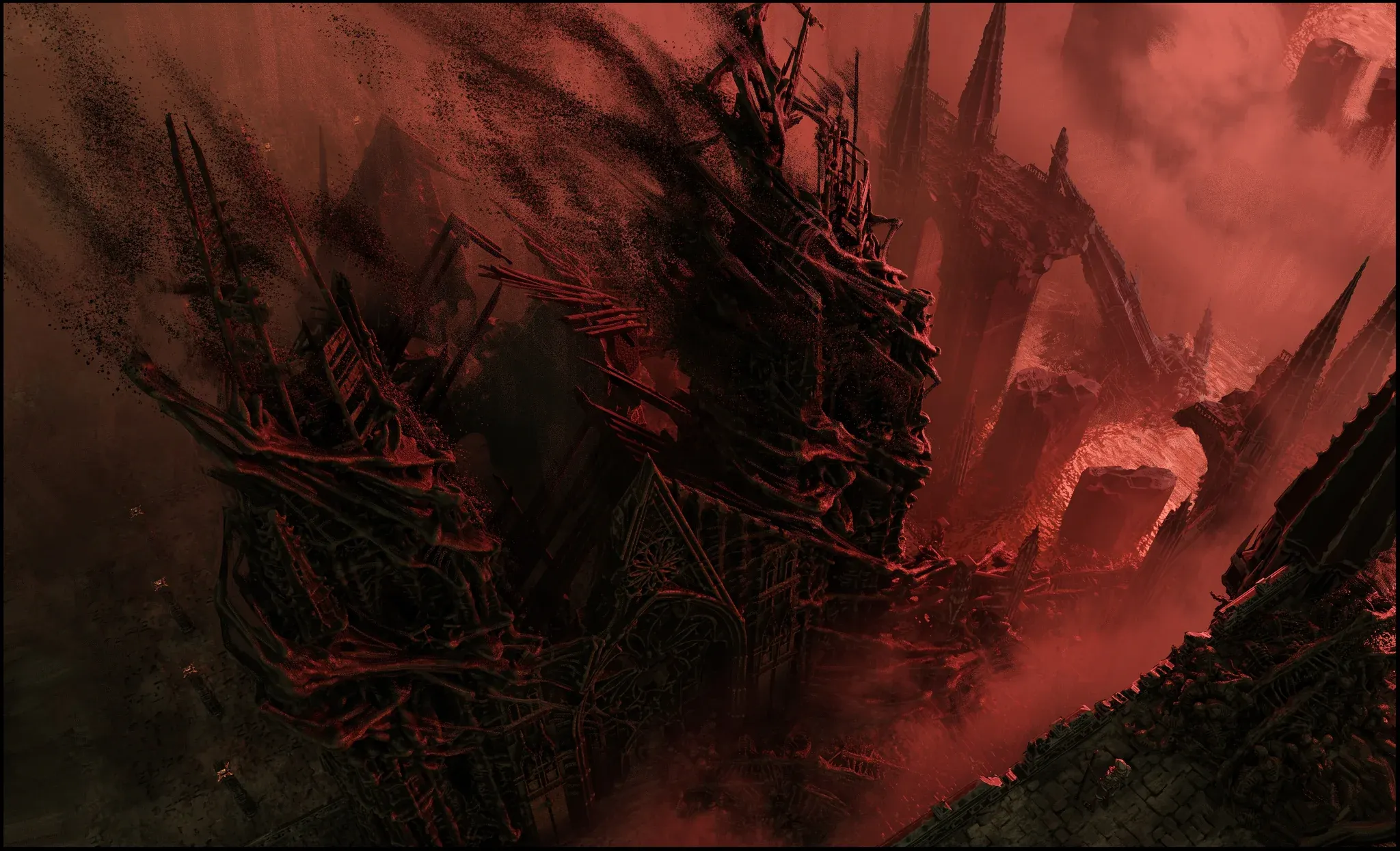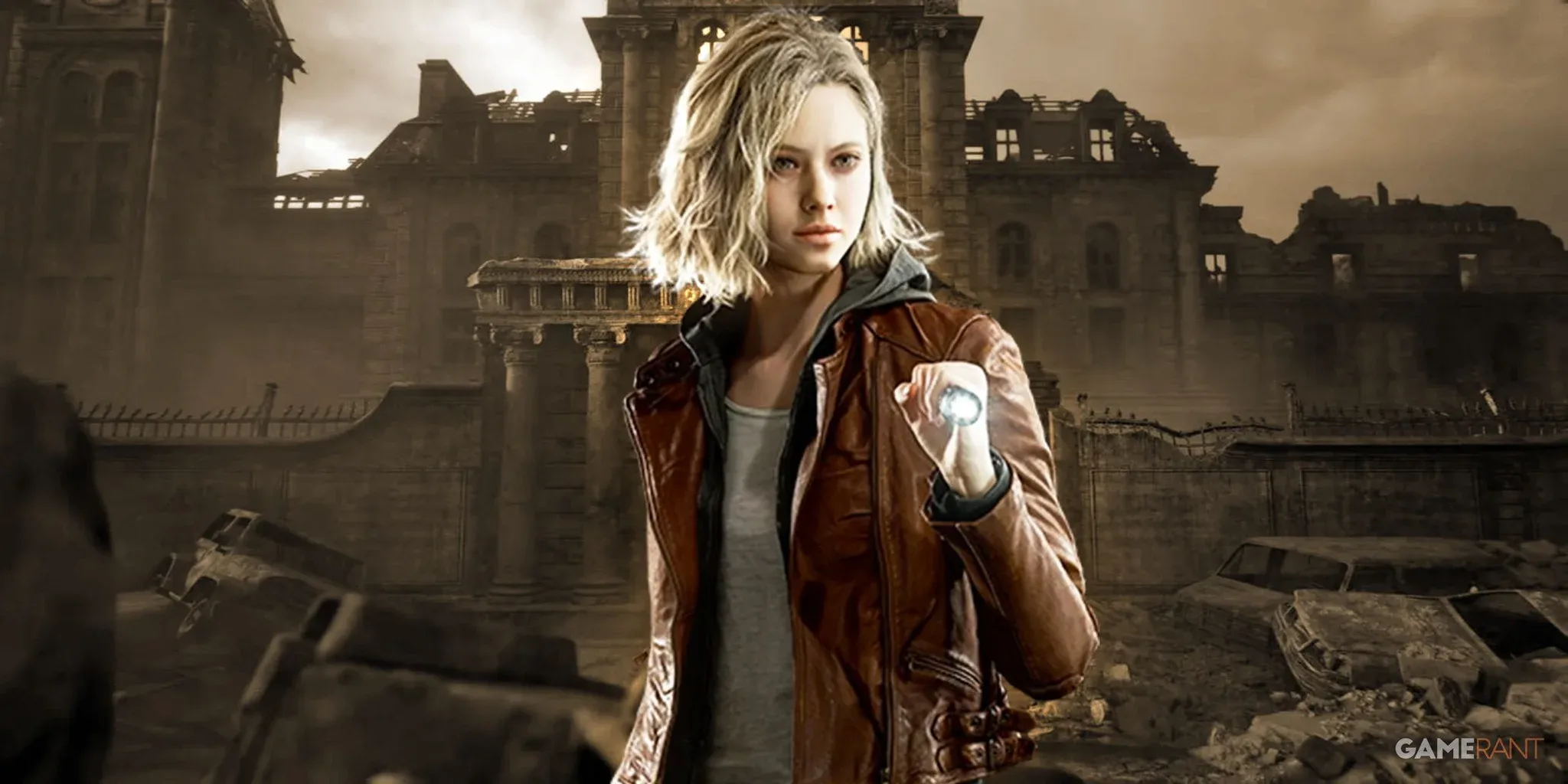


The backlash was loud, and it came fast. When Nvidia revealed its AI-powered DLSS 5 raytracing technology, the demos did more than generate buzz about visual fidelity. They sparked genuine anger from players who noticed the tech was visibly altering the faces of game characters, including Grace Ashcroft, the protagonist of Resident Evil Requiem. Now, Requiem producer Masato Kumzawa has weighed in, and his take might surprise you.
The producer's read on the whole situation
For Kumzawa, the uproar was not a crisis. It was a compliment.
"The fact a lot of players commented they really liked the original design of Grace and didn't want to see it changed was a positive," he said in a recent interview. "It meant we got the design right [and] points to the fact that Grace quickly established herself as a fan favorite, that people had such strong opinions on her design."
Here's the thing: that framing actually holds up. When players go out of their way to defend a character's look, loudly and publicly, it means the design connected. Capcom spent considerable effort crafting Grace as a new face for the franchise, and the reaction to DLSS 5 inadvertently became one of the clearest signals that the investment paid off.
What DLSS 5 actually does, and why it caused a stir
Nvidia's DLSS 5 uses AI to reconstruct and enhance frame output, and part of that process reportedly involved modifying character geometry in ways developers did not intend. The Grace situation was one of the more visible examples, with side-by-side comparisons circulating online showing noticeable differences in her facial features when DLSS 5 was applied.
The controversy pulled in responses from across the industry. Nvidia CEO Jensen Huang pushed back against the criticism, insisting that developers retain full control over DLSS 5's output and denying that the technology fundamentally changes character geometry. That claim landed awkwardly given the visual evidence players were already sharing.
Capcom's own executive producer on Requiem, Jun Takeuchi, had actually praised the technology at launch, stating that "DLSS 5 represents another important step in pushing visual fidelity forward, helping players become even more immersed in the world of Resident Evil." Kumzawa did not address how Capcom was involved in that initial announcement, and declined to comment on the broader rollout directly.
Where Capcom stands on DLSS 5 going forward
Despite the noise, Capcom has not walked away from the technology. The studio is still aiming to support DLSS 5 in future titles, which suggests the Grace controversy is being treated as a calibration issue rather than a reason to abandon the tech entirely.
That position makes sense from a business standpoint. DLSS 5 promises real performance and visual gains on compatible hardware, and Capcom's RE Engine has consistently pushed PC visuals forward. The key here is whether Nvidia can actually deliver on Huang's promise that developers have the final say on how their characters look when the AI does its work.
For players on PC who care about how Grace looks in Requiem, the safest move right now is to hold off on DLSS 5 until Capcom confirms the output matches the intended design. The controversy may have validated Grace's design in Kumzawa's eyes, but that's cold comfort if the tech is quietly reworking her face in real time.
Capcom's handling of the situation, and Nvidia's next steps in giving developers genuine control over AI reconstruction, will be worth watching closely as more titles from Capcom's 2026 lineup roll out on PC.