
Russia's ban on Roblox has triggered an unusual public protest in the Siberian city of Tomsk. On Sunday, demonstrators gathered in Vladimir Vysotsky Park to oppose the government's decision to block the U.S.-based gaming platform. Protesters displayed handmade signs reading "Hands off Roblox" and "Roblox is the victim of the digital Iron Curtain." Around 25 people braved freezing temperatures, standing in a circle to voice their dissent against the restriction.
Government Cites Child Safety Concerns
Roskomnadzor, Russia's communications regulator, blocked access to Roblox on December 3. Officials claimed the platform hosts content "that can negatively impact the spiritual and moral development of children." The move extends a pattern of restricting foreign digital services, with Facebook, Instagram, Snapchat, WhatsApp, and YouTube already facing similar blocks. Russian authorities frame these actions as defensive measures against Western "information warfare" and as protection for traditional Russian values.
Debate Over Effectiveness of Digital Censorship
The Roblox restriction has ignited discussion in Russia about censorship, child protection, and technological access. VPN usage remains widespread, allowing many users to circumvent such bans and raising questions about whether outright blocks achieve their stated goals. Parents and teachers have voiced worries about children encountering inappropriate content or being contacted by adults on the platform. At the same time, critics point out that Russia lacks viable domestic replacements for these popular foreign applications, complicating efforts to enforce digital isolation in an interconnected gaming landscape.
Roblox's Safety Measures and Global Ban Context
The San Mateo, California-based company has faced bans before, including in Iraq and Turkey, where governments cited child safety concerns. Roblox maintains that its platform features "rigorous built-in protections" designed to keep users safe. In Russia, the central question has become whether the company's existing safeguards are adequate or whether state-level intervention is warranted to shield young players from potential harm.
Public Dissent and Digital Restrictions
The Tomsk demonstration stands out as one of the rare public acts of dissent against digital censorship in wartime Russia. Though modest in size, the protest signals a rising awareness among Russian citizens about the tension between state control, child safety, and access to online platforms. It shows how gaming services can become flashpoints for larger conversations about digital rights in nations with heavy-handed internet regulation.
Check out Roblox Gift Cards on Amazon here.
Learn about other popular Roblox experiences here:
Frequently Asked Questions (FAQs)
Why did Russia ban Roblox?
Russian regulators blocked Roblox over claims that it contains material harmful to children's spiritual and moral development. The ban fits into a broader crackdown on foreign social media and gaming platforms.
Can Russian users still access Roblox?
Many users are sidestepping the ban with VPNs, though doing so violates government restrictions.
Has Roblox been banned elsewhere?
Roblox has been blocked in Iraq and Turkey, where governments raised similar child safety and content concerns.
What safety measures does Roblox have for children?
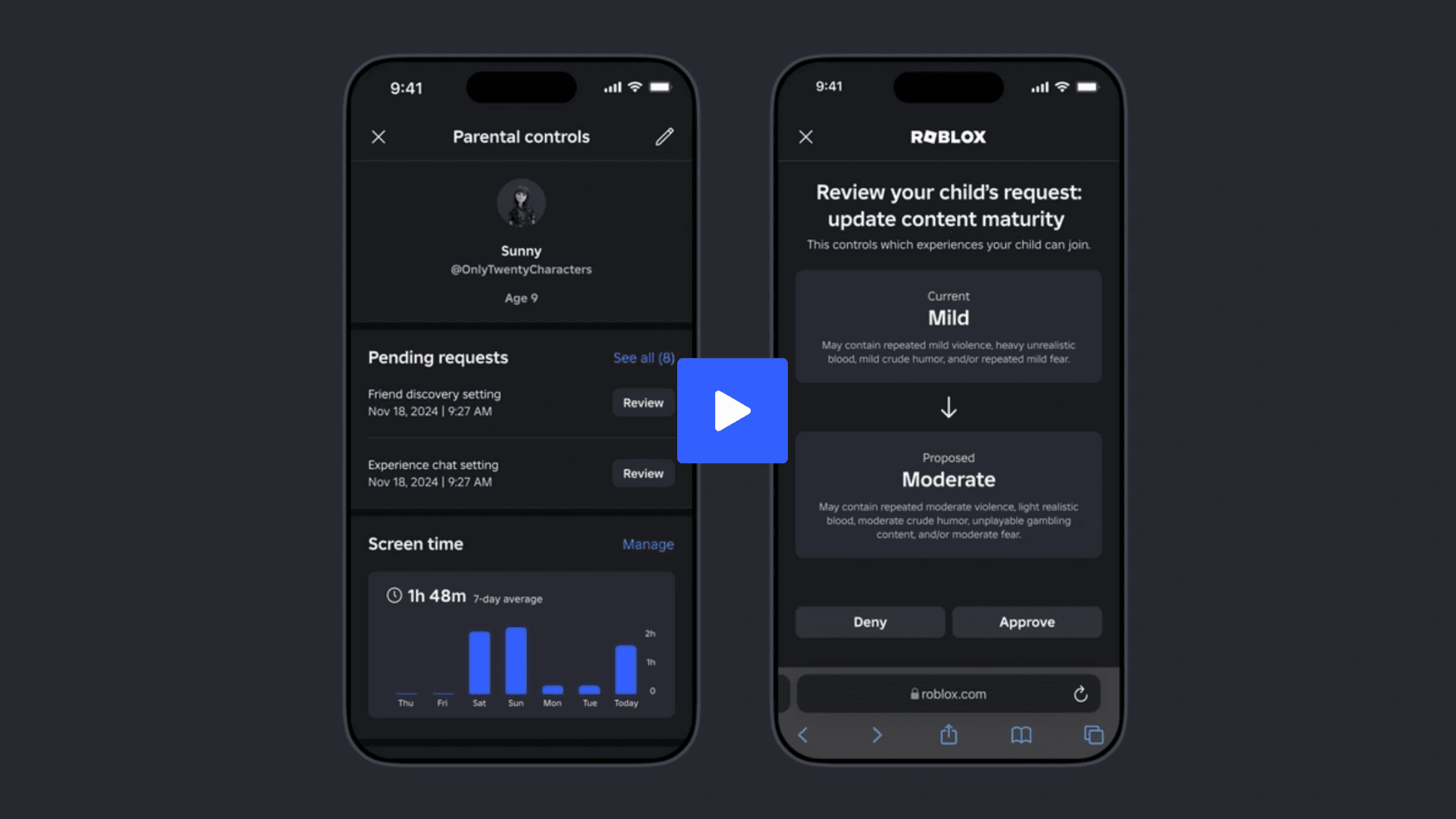
The company says it employs rigorous built-in protections, including moderation systems and parental account controls, to safeguard younger users.
Why are people protesting the ban in Russia?
Demonstrators are pushing back against censorship and limited digital access, especially given the absence of Russian-made alternatives to foreign apps. The protests highlight wider tensions over government control and online freedom.
Does the Roblox ban relate to web3 gaming?
Roblox is not a web3 platform, but the ban illustrates broader challenges facing digital and gaming services in Russia, including potential future restrictions on web3-based technologies.