
Roblox has rolled out a self-serve licensing system that lets creators and IP holders work together without the usual red tape. The platform builds on tools launched in July — the Roblox License Manager and Licenses catalog — which were meant to connect creators with recognizable intellectual property and simplify the partnership process.
The self-serve approach cuts through what used to be a drawn-out negotiation process that only a handful of studios could access. Now, eligible creators can license content quickly under standardized terms. This means they can drop popular IP into their experiences, pull in bigger audiences, and open up new ways to make money.
Tools for IP Holders and Brands
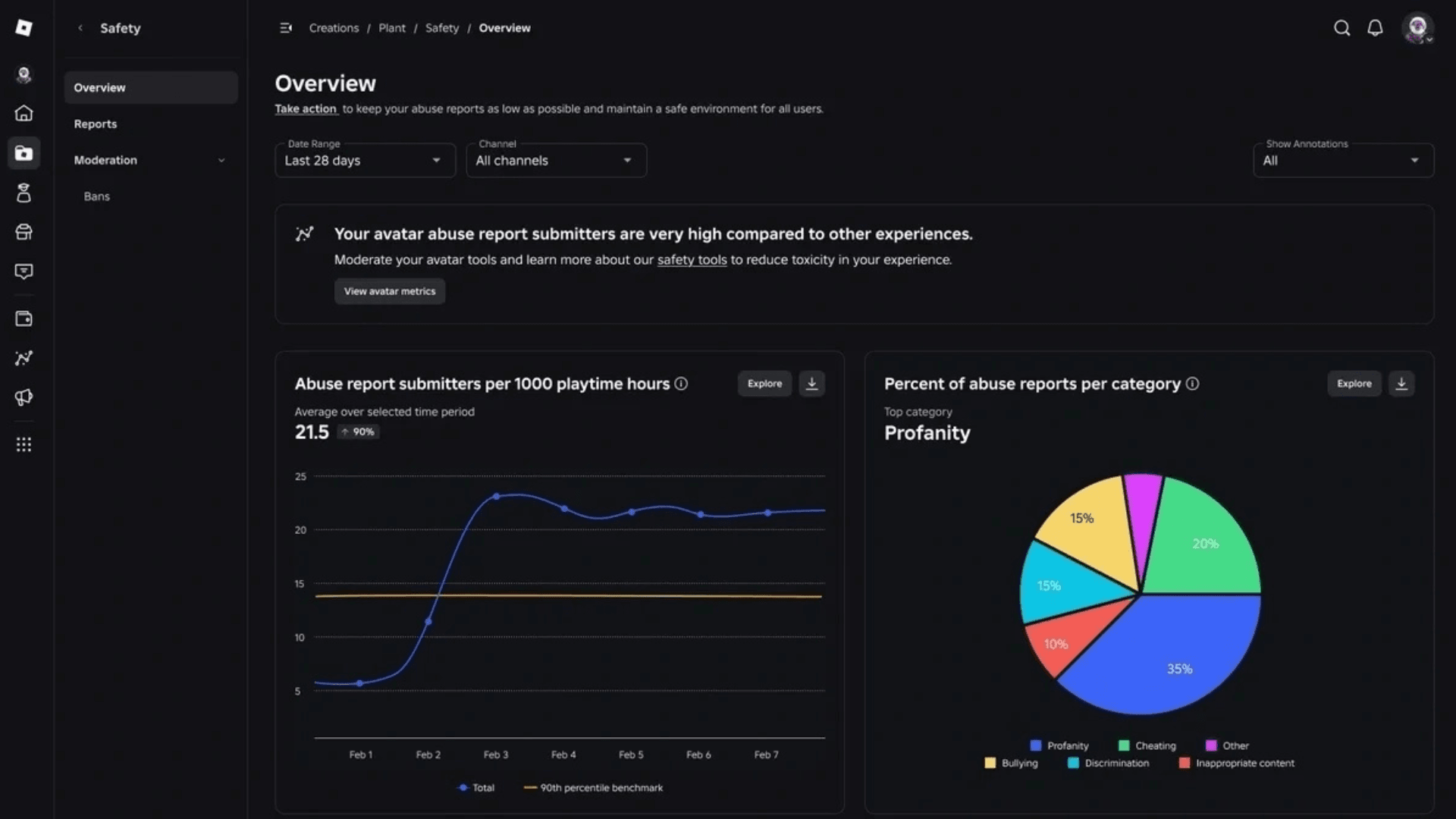
IP holders get a self-service dashboard to manage their properties. Eligible brands can register their content, set up Platform Licenses with custom terms and revenue splits (usually 10 to 25 percent), track how their IP is being used across Roblox, and collect payments automatically. The platform gives them access to Roblox's 151.5 million daily users as of September 2025.
The goal is to open up licensing to more than just the biggest studios. Smaller brands with registered content can now make their properties available on Roblox, and any eligible creator can apply to use them. That should lead to a wider range of experiences on the platform.

Early Engagement and Expanding IP Offerings
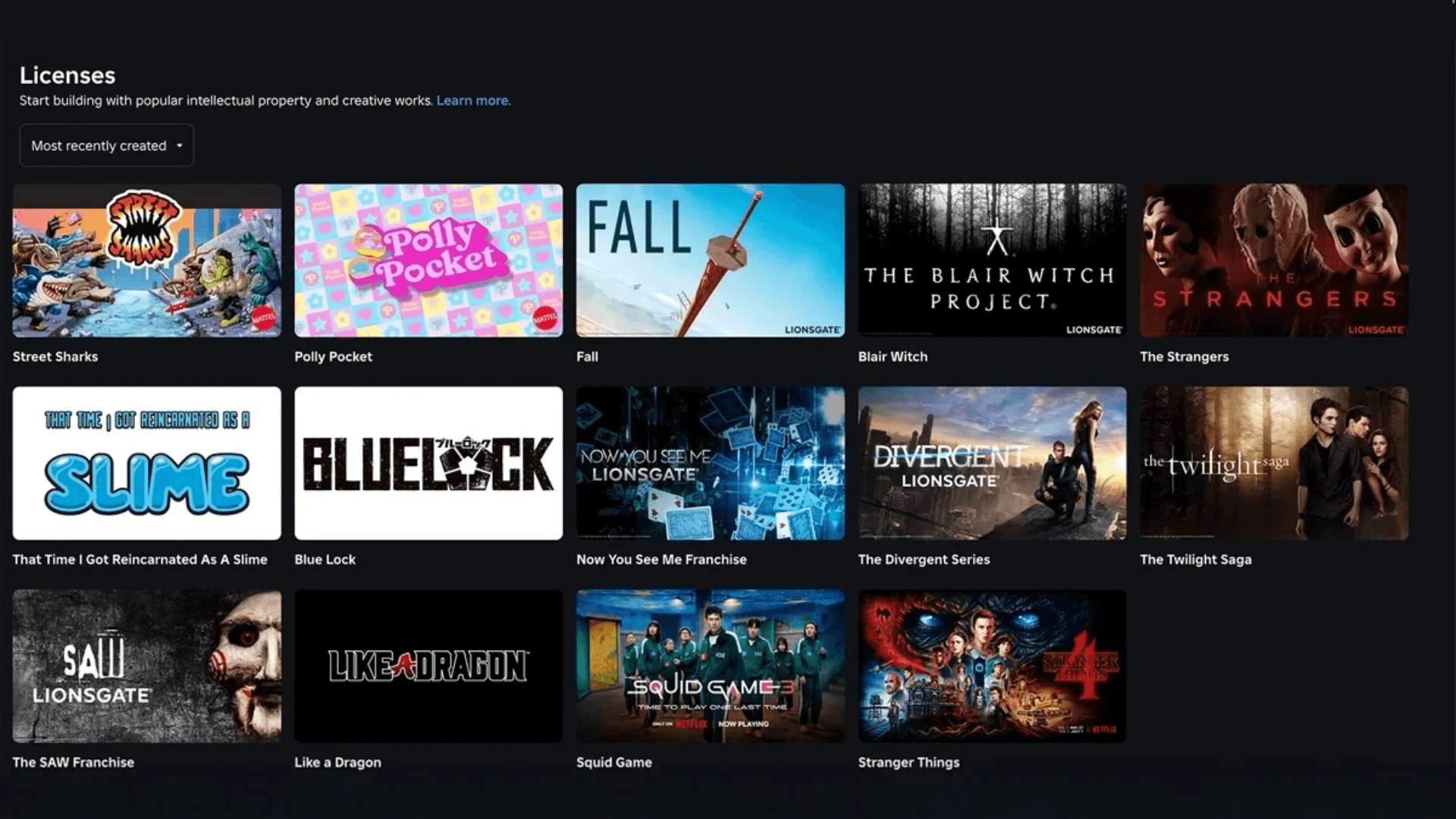
Since the platform launched with partners like Lionsgate, Netflix, Sega, and Kodansha, creators have submitted over 1,500 license requests for the IP in the catalog. Several of these collaborations have already turned into popular experiences.
Blue Lock: Rivals by Pocket Lobster, which uses the Kodansha "Blue Lock" IP, has racked up over 4 billion visits. The Squid Game by Mr Ducky Studio, built around Netflix's "Squid Game" IP, has been favorited more than 1.6 million times. The catalog keeps growing — Mattel franchises like Polly Pocket and Street Sharks are now available, and Skibidi Toilet is coming soon.
Roblox says this is only the start of scaling licensing on the platform. They're inviting all eligible IP holders to register their properties and start working with creators.
Source: Greg Hartrell, Senior Product Director at Roblox
Check out Roblox Gift Cards on Amazon here.
Learn about other popular Roblox experiences here:
Frequently Asked Questions (FAQs)
What is Roblox's self-serve IP licensing platform?
Roblox's self-serve IP licensing platform lets eligible IP holders register their intellectual property and make it available to creators. Creators can then apply to use the IP in their experiences under standardized licensing terms.
Who can use the self-serve licensing system?
The platform is open to any eligible IP holder, whether that's a major studio or a smaller brand with registered intellectual property. Eligible Roblox creators can request licenses to integrate these IPs into their work.
How does the revenue share work?
IP holders set a revenue share for their content, typically between 10 and 25 percent. The License Manager tracks usage and collects revenue automatically based on the terms set by the IP holder.
What are the benefits for creators?
Creators get access to recognizable IP, which can boost discoverability, pull in larger audiences, and create new ways to monetize. The platform cuts out the complexity of traditional licensing deals, so creators can get started faster.
How has the platform performed so far?
Early adoption has been solid. Creators have submitted over 1,500 license requests, and several successful experiences have launched using franchises like "Squid Game" and "Blue Lock."
Does this relate to web3?
No. Roblox's IP licensing platform has nothing to do with web3 technologies. It's focused on licensed experiences within the Roblox platform.