
Summer Games Done Quick 2026 just crossed its own finish line, raising $2.4 million for Doctors Without Borders (Médecins Sans Frontières) after a full week of speedrunning in Minnesota. The event wrapped up on July 12, and the total pushes Games Done Quick's all-time charity haul past $60 million across its 15-year run.
That $60 million milestone is worth sitting with for a second. Fifteen years of events, two marathons a year, and the gaming community has quietly built one of the most consistent charity fundraising machines in entertainment. No celebrity telethon, no corporate matching gimmick. Just players going very, very fast.
What happened on stage this year
The week delivered the kind of moments that make SGDQ worth watching even if you have zero interest in speedrunning as a discipline. Bluekandy set a world record during a Kirby Air Riders run, which is exactly the sort of thing that turns a charity stream into a genuine sporting event. The Hey You, Pikachu! segment reportedly had the audience in stitches the entire time, which tracks for anyone who has ever watched that game try to understand voice commands.
A Balatro run beat the odds in a way that had chat going, and a Resident Evil: Requiem run featured impromptu beatboxing from the runner mid-game. Here's the thing about SGDQ: the runs themselves are only half the show. The live audience energy, the couch commentary, and the completely unscripted chaos are what keep people watching at 3am.
Every run from the event is archived on the official Games Done Quick YouTube channel for anyone who missed the live broadcast.
Beyond the speedruns
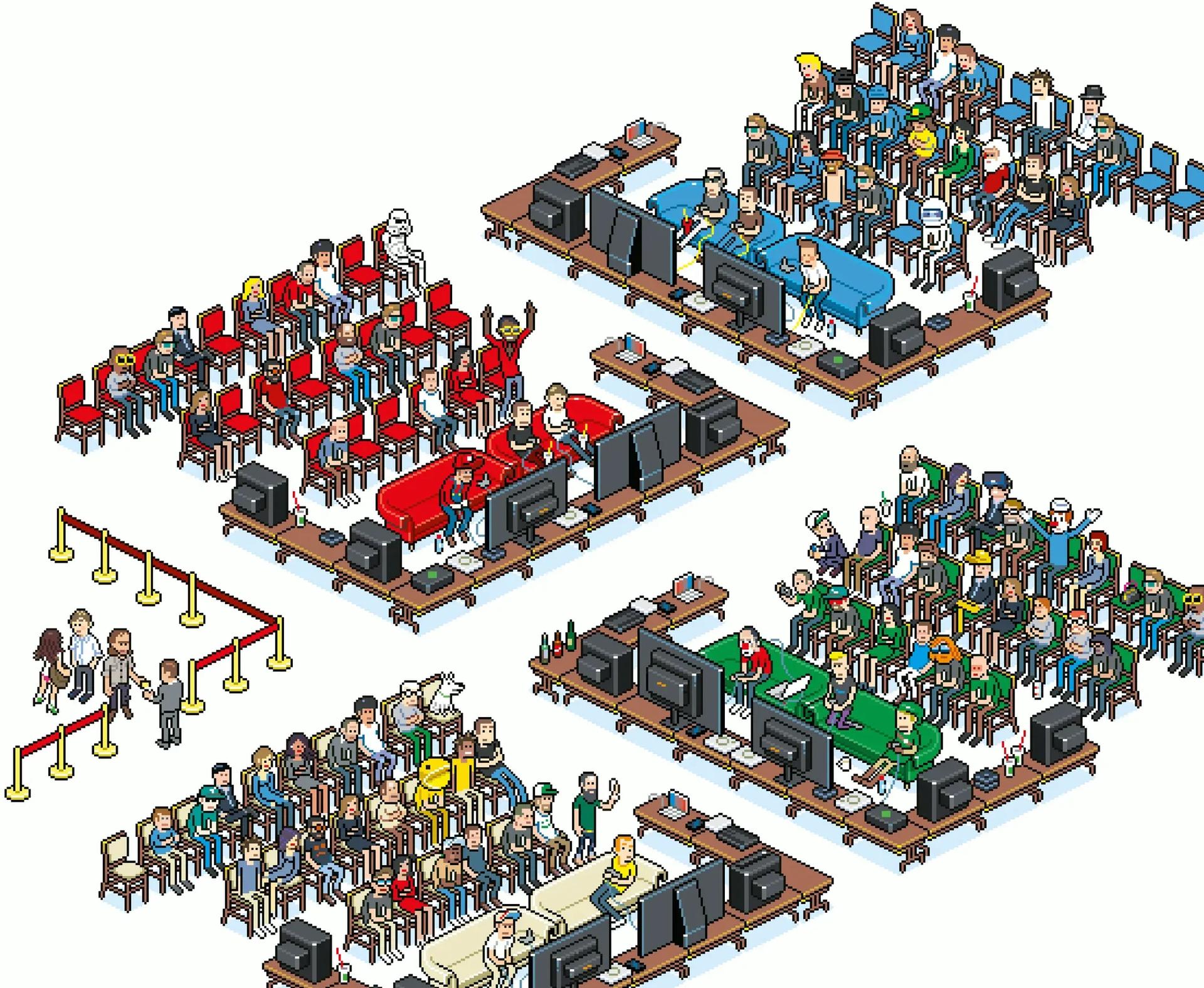
SGDQ 2026 was not just a streaming event. The in-person experience in Minnesota included panels, community rooms dedicated to board games and music, a vendor's alley with video game-inspired artwork, and developer booths where attendees could play demos of upcoming games. That side of the event tends to get overlooked in the highlight reels, but it is a significant part of why the community keeps showing up year after year.
This year, Doctors Without Borders shared a short documentary during the event titled "Return to Gaza," focusing on the humanitarian situation there and the specific need for emergency medical care for children and young people in the region. Pairing that kind of direct context with a live fundraising event is a smart approach, and it gives donors a clearer picture of where the money actually goes.
Fifteen years and $60 million later
Games Done Quick has now partnered with multiple charities across its history, including the Prevent Cancer Foundation alongside its long-running relationship with MSF. The $60 million total is a genuine achievement for an event that grew from a small community gathering into a twice-yearly institution.
What most players miss when they see the donation totals is how much of it comes from small individual contributions rather than single large donations. The GDQ model works because it scales across a massive audience of engaged viewers who donate a few dollars at a time across an entire week. The cumulative effect is a number that looks like corporate philanthropy but comes entirely from gamers.
The tight economy this year made the $2.4 million figure more meaningful than it might look on paper. Organizers put in extra work to keep the event running smoothly, and the community responded.
If you want to keep up with everything else happening in gaming right now, the Marathon Season 2 guide is worth checking out for one of the bigger live-service updates of the summer. For broader coverage across releases and updates, the gaming guides hub has you covered. Awesome Games Done Quick 2027 will be the next GDQ event on the calendar, so the speedrunning community will not have to wait long for another shot at the stage.