

"Beyond the living room."
That's the phrase PlayStation CEO Hideaki Nishino dropped recently, and it has sent the gaming internet into full speculation mode. Four words, deliberately vague, but pointed enough that the handheld PS6 conversation has gone from fringe Reddit theory to mainstream gaming discussion overnight.

Use code TRYHARD33 at checkout to redeem this offer before code expires again.
Get 33% Off GAMES+ Subscription
What Nishino actually said
Nishino's statement framed Sony's next-generation ambitions around delivering a "seamless experience" that extends past the traditional TV setup. He didn't say handheld. He didn't say hybrid. But the phrasing was specific enough to feel intentional, not accidental.
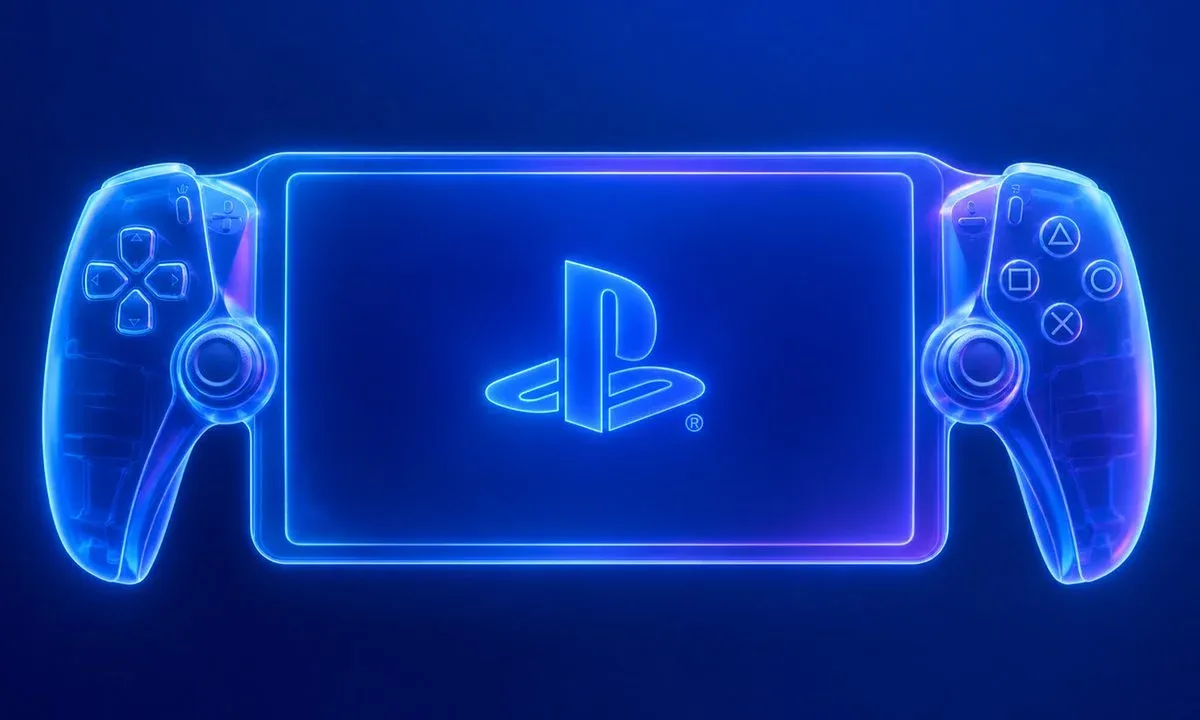
Here's the thing: Sony has been watching the portable gaming space change dramatically. The Nintendo Switch redefined what a console can be, and Valve's Steam Deck proved there's a serious appetite for high-performance portable play on the PC side. Sony already dipped its toes in with the PlayStation Portal, a remote-play device that sold well enough to validate the concept. A full standalone handheld, or a hybrid device that works both docked and portable, is the logical next step.
The key here is that "beyond the living room" isn't just marketing fluff. It signals a structural rethink of how Sony positions PlayStation hardware going forward.
The price problem nobody wants to talk about
There's a catch, and it's a big one. Sony has also confirmed it won't sell future hardware at significant losses the way it has historically done with PlayStation consoles. The PS5 launched at a loss per unit and Sony made up the margin through software and PlayStation Plus subscriptions. That model is apparently off the table for whatever comes next.
Put those two facts together: a more complex, potentially dual-mode device, built without the traditional loss-leader pricing strategy. Some analysts are already floating figures north of $1,000 for the PS6 at launch.
That's not a confirmed price. But the math isn't comforting. A handheld or hybrid console needs a battery, a screen, portable-grade thermal management, and all the next-gen silicon you'd expect from a home console. None of that is cheap, and Sony has made clear it won't eat the cost this time.
How this compares to the PS5 era
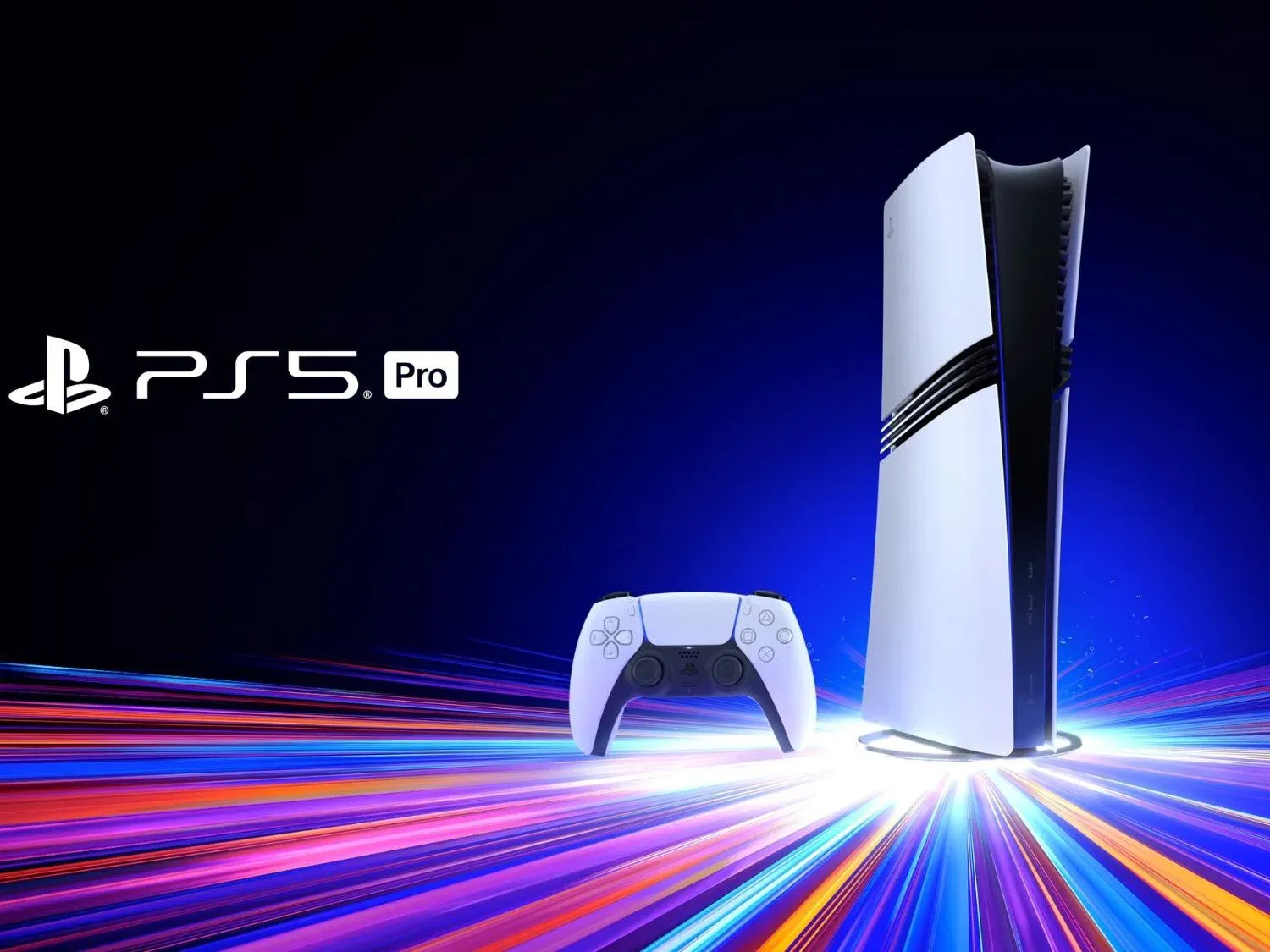
The PS5 was a traditional home console play. Powerful, TV-centric, with the PlayStation Portal added later as an accessory rather than a core device. The DualSense brought genuinely new ideas to controller design, with haptic feedback and adaptive triggers that developers like Insomniac and Guerrilla Games used to real effect. You can see exactly how Sony built those features into specific titles by checking out our breakdown of GTA 6 PS5-exclusive features for a sense of how platform-specific hardware advantages translate into actual gameplay.
The PS6 era, if Nishino's framing holds, looks fundamentally different. The living room is no longer the anchor point. The device follows the player.
That's a significant shift in philosophy. Sony built its PlayStation brand on the couch-and-TV experience for three decades. Abandoning that entirely seems unlikely, which is why the hybrid model, a device that works both connected to a TV and as a standalone portable, keeps coming up as the most plausible interpretation of "beyond the living room."
What the competition is doing
Sony isn't making this decision in a vacuum. Nintendo's Switch 2 launched this year and immediately reset expectations for what hybrid hardware can deliver commercially. Microsoft is leaning harder into cloud and Game Pass portability. Valve continues to iterate on the Steam Deck platform.
The living room console as the singular default is genuinely under pressure across the whole industry. Xbox is reportedly exploring its own handheld options. Even third-party publishers are structuring their biggest releases with multi-platform portability in mind, which is part of why something like Forza Horizon 6's approach to platform flexibility is worth paying attention to as a signal of where AAA development is heading.
Sony's move here isn't reactive. It looks calculated. The question is whether PlayStation's first-party library, the thing that actually sells Sony hardware, can translate to a portable form factor without losing what makes those games special.
That answer won't come from a CEO quote at an investor briefing. It'll come when Sony actually shows the hardware. Until then, keep an eye on our gaming guides for the latest breakdowns as next-gen details continue to emerge.