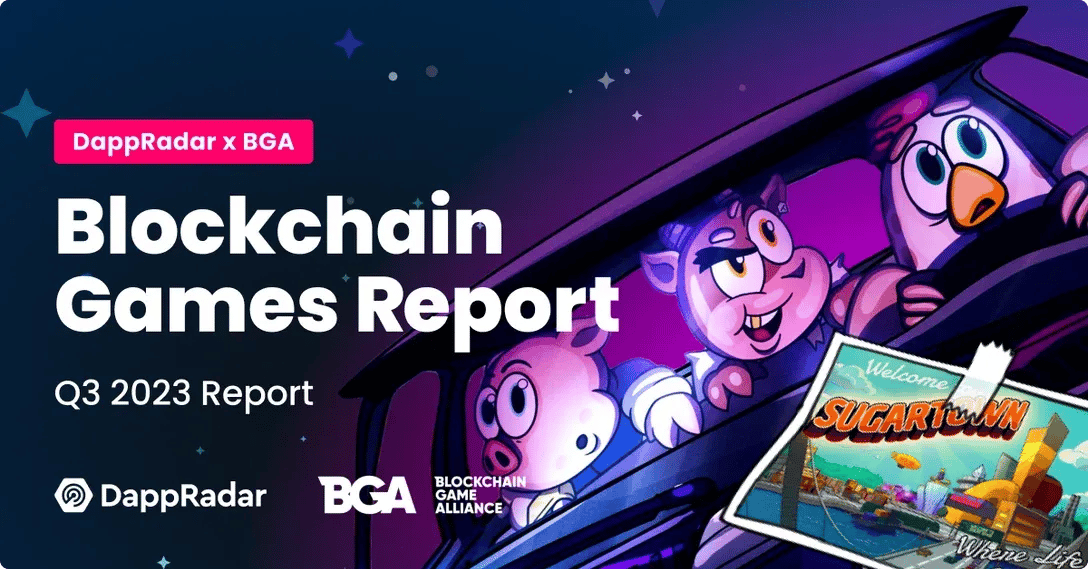

The Blockchain Game Alliance (BGA) has published its Stablecoin and Gaming Report 2025, examining how stablecoins could reshape game economies. The organization frames stability, trust, and transparency as critical factors for digital ecosystems, arguing that stablecoins can serve as foundational infrastructure for web3 gaming. The analysis draws on examples from platforms like Roblox and Fortnite, where predictable currencies already drive player engagement and support creator revenue models.

Use code TRYHARD33 at checkout to redeem this offer before code expires again.
Get 33% Off GAMES+ Subscription
Reducing Volatility for Players and Developers
The report argues that stable currency values reduce friction for players. When an in-game item maintains consistent pricing, players can focus on gameplay instead of tracking market fluctuations. For developers, stablecoins enable reliable revenue forecasting, allowing teams to plan budgets and investments without worrying about sudden value drops. The report emphasizes that while assets can naturally appreciate, building economies around speculation undermines long-term sustainability.
A More Transparent and Connected Economy
Traditional in-game currencies often lack visibility into how tokens circulate within ecosystems. Studios struggle to track fraud, balance economies, or establish trust when transaction data remains opaque. The BGA report argues that blockchain-backed stablecoins introduce better auditability and security, functioning as neutral monetary infrastructure that enables interoperability between games. This foundation could make shared incentives and cross-platform assets more viable for web3 gaming.
Strengthening Secondary Markets Without Replacing What Works
The analysis recognizes that many games already host active secondary markets. Rather than disrupting existing player behavior, stablecoins offer a way to formalize trading activity through safer and more programmable systems. By improving how value transfers between players, the industry could reduce fraudulent activity and better align with global financial regulations.
Improving Payment Infrastructure and Treasury Performance
Managing global payments remains challenging for studios with international audiences. Traditional payment systems introduce delays, fees, and operational overhead. Stablecoins function as programmable, fiat-denominated infrastructure that lets studios streamline payments, optimize treasury operations, and access more efficient liquidity. For companies handling recurring digital cash flows, this shift could transform expensive processes into competitive advantages.
Invisible to Players, Powerful for Developers
A central theme in the BGA report is abstraction. Stablecoins don't need visible integration into player-facing features. When implemented correctly, they can operate behind the scenes while powering more resilient economies. This approach creates smoother onboarding for mainstream audiences unfamiliar with blockchain technology, while giving developers tools to operate within a global and transparent financial framework.
Regulation Is Still Evolving
The report concludes with a look at regulatory developments, noting how legislation like the Genius Act may influence future development strategies. While some studios may not prioritize compliance directly, understanding how different jurisdictions approach stablecoin usage will become increasingly important as web3 gaming scales commercially.
What It Means for the Industry
The Stablecoin and Gaming Report 2025 presents a practical framework for maturing gaming economies. Stablecoins are positioned not as speculative instruments, but as reliable infrastructure that can deliver efficiency, predictability, and security to both gameplay and business operations. The BGA's perspective centers on building systems that enable long-term value creation across web3 gaming.
Frequently Asked Questions (FAQs)
What is the role of stablecoins in gaming?
Stablecoins provide stable value for in-game currencies, support predictable creator payouts, and help build trusted digital economies, especially in web3 gaming environments.
Why not just use traditional payment systems?
Current systems create friction with cross-border payments, increased fees, and operational risks. Stablecoins help simplify and automate global transactions.
Do players need to understand blockchain to use stablecoins in games?
No. The report emphasizes that stablecoins should remain invisible to players, improving the economy without requiring users to learn new technology.
How do stablecoins support secondary marketplaces?
They can formalize existing trading demand and route activity through safer rails that offer transparency and protection for both players and studios.
Are stablecoins meant to replace current in-game currencies like V-Bucks or Robux?
Not necessarily. The goal is to enhance reliability and interoperability rather than redesign systems that already function well.