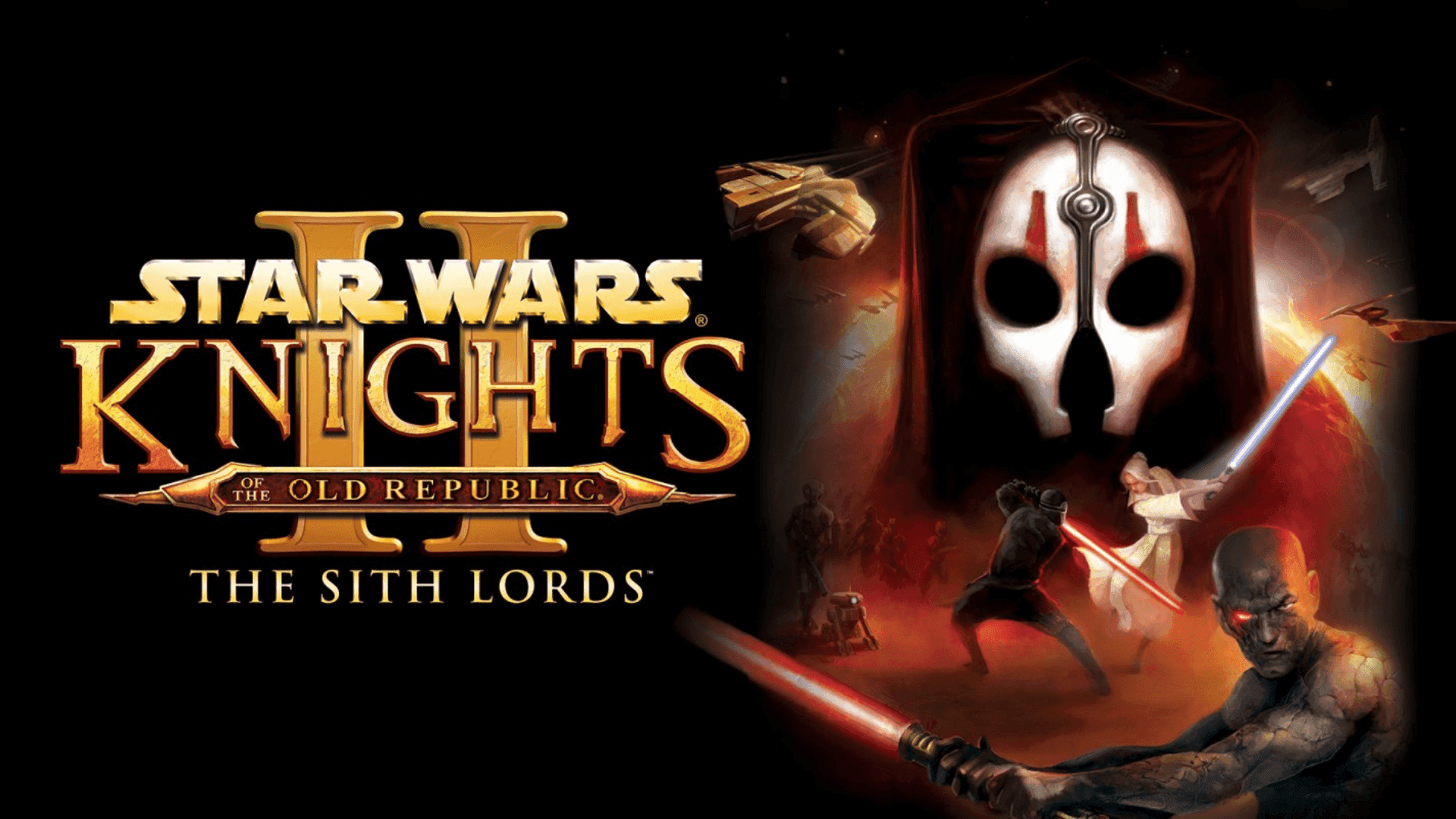

The legal dispute surrounding Star Wars: Knights of the Old Republic II on Nintendo Switch became one of the more unusual intersections of gaming, marketing, and consumer law in recent years. What began as disappointment over a cancelled piece of downloadable content turned into a multi-year courtroom battle that raised questions about how far video game marketing promises can go before crossing into false advertising.
A Missing Feature That Sparked a Lawsuit
When Aspyr released Star Wars: Knights of the Old Republic II for Nintendo Switch in 2022, its marketing referenced a forthcoming “Restored Content DLC.” Longtime fans recognized this as an official version of a popular fan-made mod that restored cut quests and storylines to Obsidian Entertainment’s original RPG. The DLC was mentioned in promotional materials, including a trailer released ahead of launch.
Roughly a year later, Aspyr announced that the DLC would not be released. Instead, the company offered players free download codes for other Star Wars games. For at least one Switch owner, that response did not resolve the issue. A lawsuit followed, alleging that Aspyr had falsely advertised a feature that influenced purchasing decisions but was never delivered.
Arguments Over Standing and Value
Aspyr’s legal defense focused on whether the plaintiff, and other players like them, had the right to sue at all. The company argued that players had already been compensated through free game codes and therefore suffered no meaningful harm. It also pushed back against efforts to treat the case as a class action, claiming that individual circumstances varied too much to justify a broader lawsuit.
Another central argument revolved around the value of the cancelled DLC. Because the Restored Content DLC was planned as a free update based on an existing fan mod, Aspyr’s legal team contended that it had no economic value. From that perspective, they argued, its absence could not constitute financial damage in the traditional sense.
The plaintiffs disagreed, maintaining that the issue was not the price of the DLC but the marketing promise itself. Their position was that advertising a feature that is later cancelled can still mislead consumers, regardless of whether that feature carries a direct cost.
Marketing Trailers Under Legal Scrutiny
One of Aspyr’s more specific defenses centered on visibility. The company argued that the DLC reference appeared only briefly at the end of a YouTube trailer and therefore could not have significantly influenced purchasing decisions. This claim went to the heart of how courts might interpret modern game marketing, where trailers, social media clips, and digital storefront listings all play a role in shaping expectations.
The case did not result in a final judicial ruling on whether such promotional content constitutes enforceable advertising. However, the arguments highlighted how even small marketing details can become legally relevant when expectations are not met.
Licensing Complications Behind the Scenes
As the case progressed, court filings and disclosed communications revealed that the DLC’s cancellation was not simply a matter of development priorities. Internal discussions between Aspyr, fan modders, and Disney-owned Lucasfilm Games showed that licensing and approval issues played a significant role.
Initially, Aspyr downplayed Disney’s involvement in the decision to cancel the DLC. Later attempts by the plaintiffs to add Disney and Lucasfilm Games as defendants were only partially successful. The documents suggested that navigating Star Wars licensing approvals can be slow and complex, contributing to delays that ultimately derailed the project.
A Contentious and Unusual Legal Battle
The tone of the lawsuit itself often drew attention. In one notable filing, the plaintiff’s attorney opened a response by quoting rapper Lil Wayne, framing the legal conflict in combative terms. Aspyr, in turn, sought sanctions against the attorney, arguing that the case should have been withdrawn.
The dispute also veered into unexpected territory, including unusual personal accusations that had little bearing on the core legal questions. While these moments did not change the substance of the case, they contributed to its reputation as an atypical chapter in video game litigation.
Settlement Without a Final Verdict
After more than two years, the parties reached a settlement earlier this fall. The terms were not made public, and the agreement ended the lawsuit without a definitive ruling on whether Aspyr’s marketing constituted false advertising.
As a result, the case did not establish new legal precedent. However, it did illustrate the potential risks of promoting features that are not guaranteed to ship, even when those features are free. For players, it showed that legal avenues exist to challenge marketing claims, though the outcomes may be uncertain and slow.
For the industry, the KOTOR II dispute serves as a reminder that trailers and promotional messaging are not just hype tools. They are representations that can carry legal consequences if expectations are not met.
Source: GameFile
Frequently Asked Questions (FAQs)
What was the Star Wars KOTOR II lawsuit about?
The lawsuit alleged that Aspyr falsely advertised a “Restored Content DLC” for the Nintendo Switch version of Star Wars: Knights of the Old Republic II that was later cancelled.
Why was the Restored Content DLC cancelled?
Court documents and internal communications indicated that licensing and approval issues involving Disney and Lucasfilm Games played a significant role in the cancellation.
Did players receive any compensation?
Aspyr offered affected players free download codes for other Star Wars games, which the company argued resolved any potential harm.
Was the case resolved by a court ruling?
No. The dispute ended in a settlement, and the terms were not publicly disclosed.
Does this case affect future video game marketing?
While it did not set legal precedent, the case highlights the risks of advertising features that are not guaranteed to be released and may influence how publishers approach marketing promises in the future.