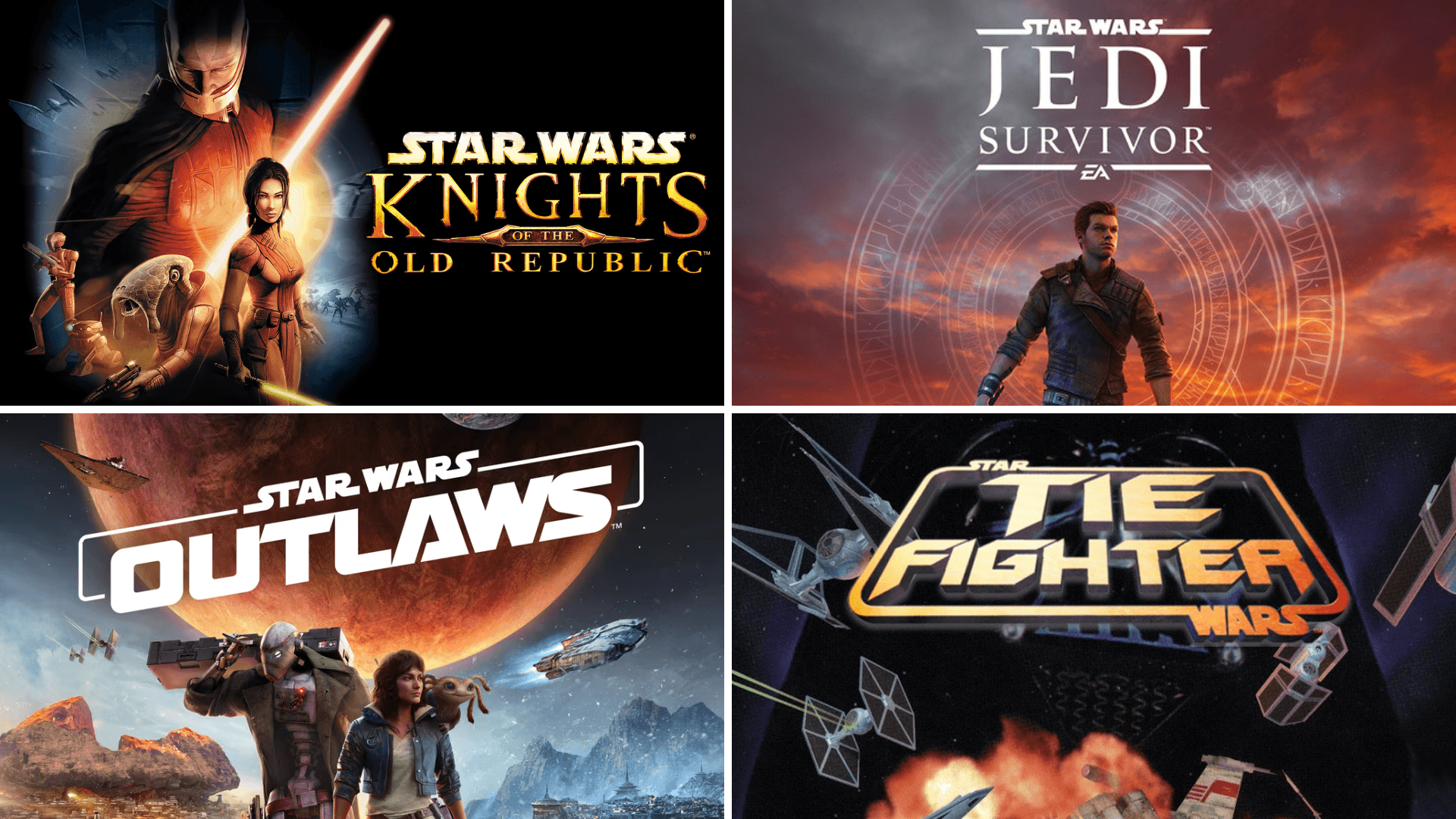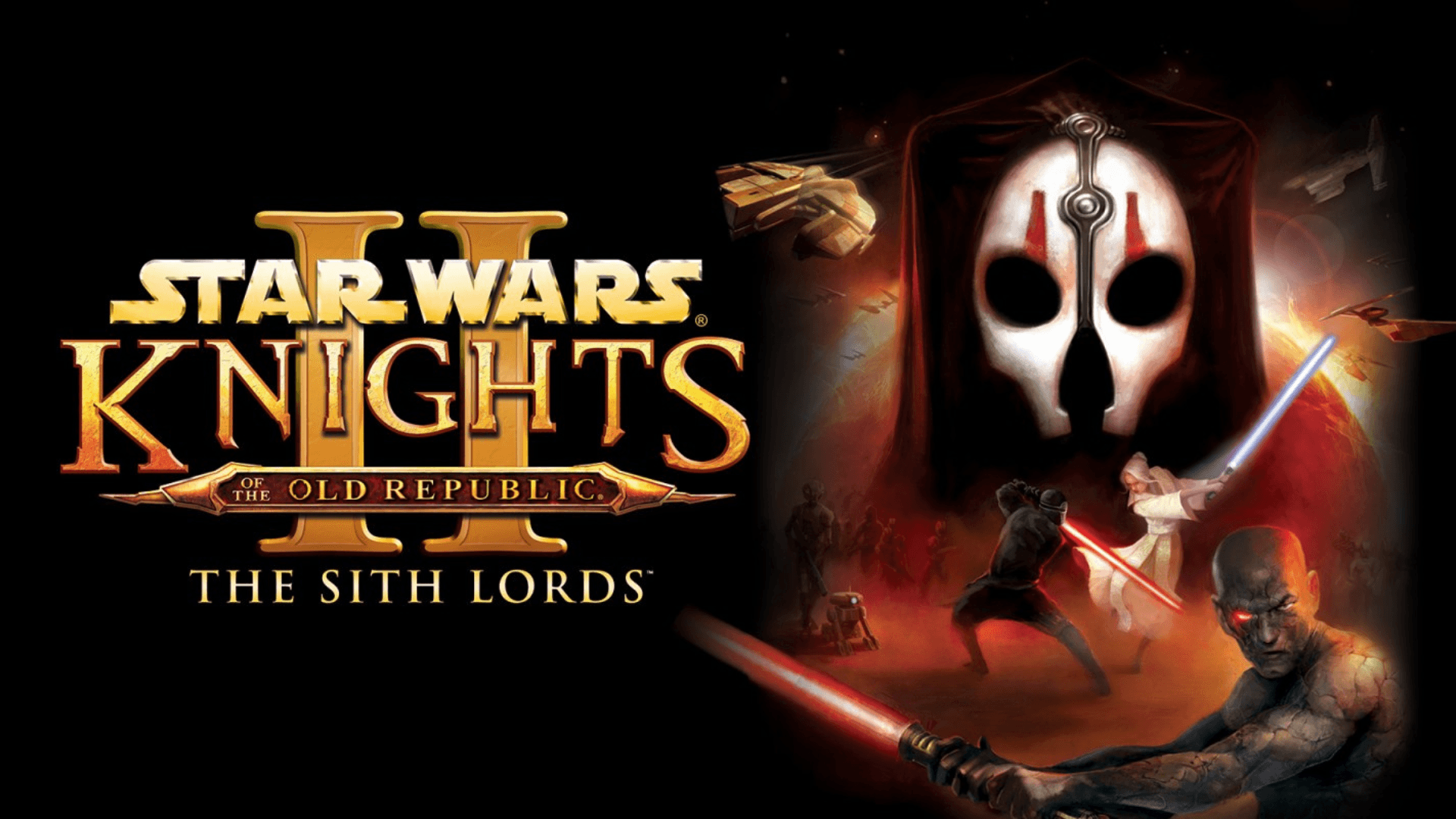

The legal battle over Star Wars: Knights of the Old Republic II on Nintendo Switch stands out as one of gaming's stranger consumer-law episodes. A cancelled piece of downloadable content sparked a multi-year courtroom fight that tested the boundaries of video game marketing and raised uncomfortable questions about when a promotional promise becomes legally binding.
A cancelled DLC that went to court
When Aspyr brought Star Wars: Knights of the Old Republic II to Nintendo Switch in 2022, the publisher's marketing materials teased a "Restored Content DLC." Fans knew exactly what this meant: an official implementation of a beloved fan mod that adds back cut quests and story content from Obsidian Entertainment's original RPG. The DLC appeared in promotional materials and a pre-launch trailer.
About a year later, Aspyr pulled the plug. The DLC wasn't happening. As compensation, the company handed out free codes for other Star Wars titles. One Switch owner wasn't satisfied with that resolution and filed suit, claiming Aspyr had advertised a feature that swayed the purchase decision but never materialized.
Standing, compensation, and what counts as harm
Aspyr's defense hinged on whether the plaintiff had legal standing to sue in the first place. The publisher argued that free game codes already compensated players for any perceived loss, eliminating any real injury. Aspyr also fought against class-action treatment, asserting that individual player circumstances were too varied to bundle together.
Then there was the question of value. Because the Restored Content DLC was slated as a free update built on an existing fan mod, Aspyr's lawyers argued it had no economic worth. If it's worth zero dollars, they reasoned, its absence can't cause financial harm in any measurable way.
The plaintiff's side rejected that logic. Their argument wasn't about the DLC's price tag but about the marketing claim itself. Advertising a feature and then scrapping it can mislead buyers regardless of whether that feature costs money.
How much does a trailer footnote matter?
Aspyr made a specific argument about visibility: the DLC mention appeared only briefly at the tail end of a YouTube trailer, so it couldn't have meaningfully shaped purchase decisions. This defense cut to the core of how courts might evaluate modern game marketing, where trailers, social clips, and storefront listings all contribute to player expectations.
The case never produced a final ruling on whether such promotional snippets qualify as enforceable advertising. But the arguments made it clear that even minor marketing details can carry legal weight when promises fall through.
Licensing roadblocks and Disney's shadow
Court filings and internal communications revealed that the DLC's cancellation wasn't just a development choice. Licensing and approval hurdles involving Disney-owned Lucasfilm Games played a major role in killing the project.
Aspyr initially minimized Disney's involvement in the cancellation. Later, the plaintiff tried to add Disney and Lucasfilm Games as defendants with mixed success. The documents painted a picture of Star Wars licensing approvals as slow and tangled, contributing to delays that ultimately sank the DLC.
An unusually combative lawsuit
The case itself became a spectacle. In one filing, the plaintiff's attorney opened a response by quoting Lil Wayne, framing the legal fight in aggressive terms. Aspyr responded by seeking sanctions against the attorney and arguing the case should have been dropped.
The dispute also drifted into strange personal accusations that had little to do with the actual legal questions. These moments didn't change the substance of the case, but they cemented its reputation as one of the weirder chapters in video game litigation.
Settlement with no precedent
After more than two years, the parties settled earlier this fall. The terms stayed private, and the agreement closed the lawsuit without a definitive ruling on whether Aspyr's marketing crossed into false advertising.
That means no new legal precedent came out of this. But the case did demonstrate the risks of promoting features that aren't locked in, even when those features are free. For players, it showed that legal challenges to marketing claims are possible, though slow and uncertain.
For publishers, the KOTOR II dispute is a warning: trailers and promotional copy aren't just hype. They're representations that can trigger legal consequences when reality doesn't match the pitch.
Frequently Asked Questions (FAQs)
What was the Star Wars KOTOR II lawsuit about?
The lawsuit claimed Aspyr falsely advertised a "Restored Content DLC" for the Nintendo Switch version of Star Wars: Knights of the Old Republic II that was later scrapped.
Why was the Restored Content DLC cancelled?
Court documents and internal communications pointed to licensing and approval issues involving Disney and Lucasfilm Games as a major factor in the cancellation.
Did players receive any compensation?
Aspyr gave affected players free download codes for other Star Wars games, which the publisher argued resolved any potential harm.
Was the case resolved by a court ruling?
No. The dispute ended in a settlement with terms that were not publicly disclosed.
Does this case affect future video game marketing?
While it didn't set legal precedent, the case underscores the risks of advertising features that aren't guaranteed to ship and may shape how publishers handle marketing promises going forward.