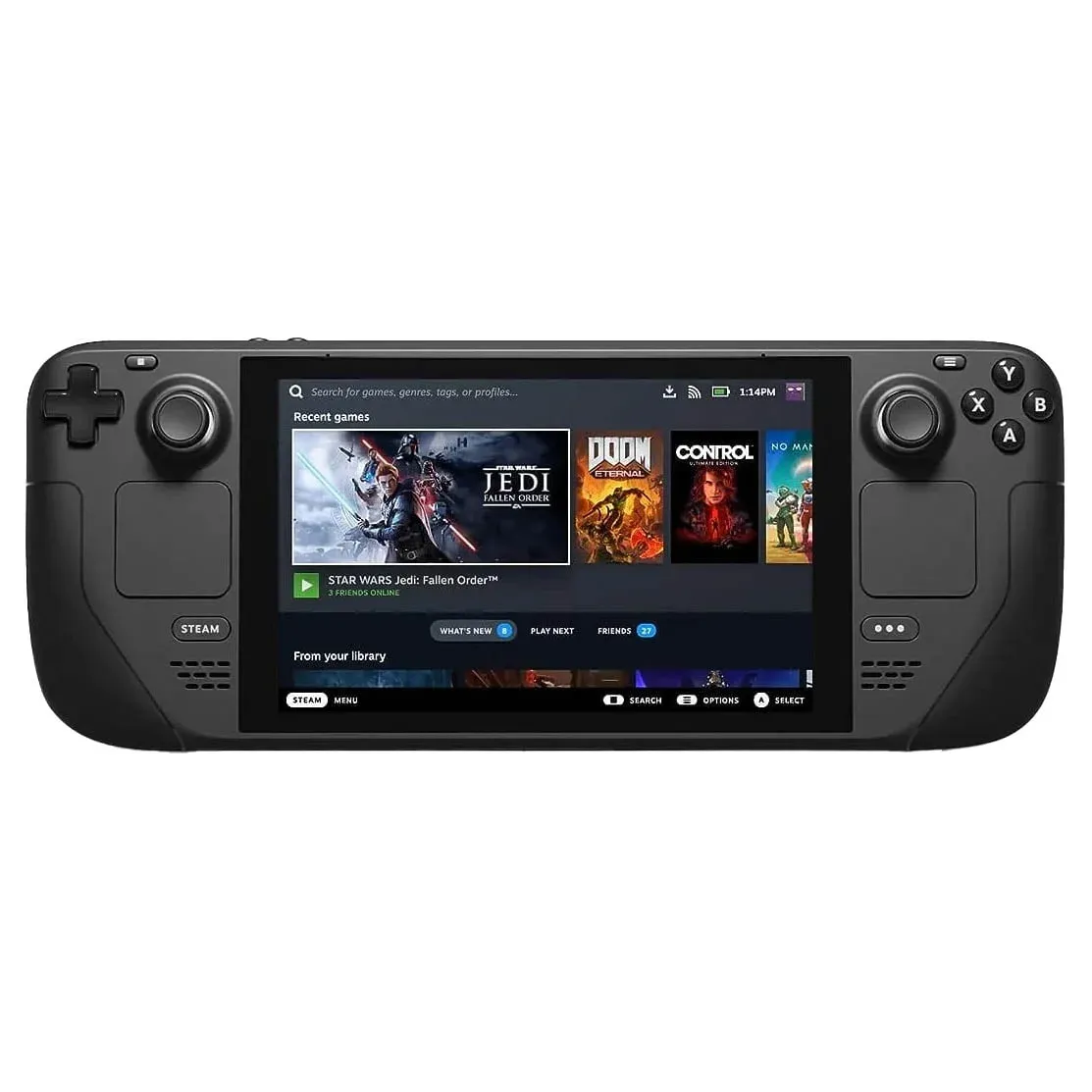


The Steam Deck was already a tough sell for budget-conscious players. Now it just got a lot harder to justify.
Valve restocked the Steam Deck after a period of limited availability, which would normally be good news. The catch: the restock came bundled with a sweeping price increase across configurations, with some models now costing up to $300 more than before. For a device that built its entire identity around being an accessible PC gaming handheld, that number stings.

Use code TRYHARD33 at checkout to redeem this offer before code expires again.
Get 33% Off GAMES+ Subscription
What the price jump actually means for buyers
The increase is not a rounding error or a minor adjustment tied to inflation. A jump of up to $300 on a single product line is the kind of move that fundamentally shifts who can afford to buy in. The Steam Deck originally launched with tiered pricing designed to keep entry points accessible, letting players choose how much storage and polish they needed without breaking the bank. That value proposition is now considerably shakier.
Here's the thing: the Steam Deck's biggest competitor was always the price of a mid-range gaming PC build or a console bundle. At its original price points, the Deck made a compelling case. At $300 higher, that case requires a lot more justification.
The Steam Machine shadow hanging over this
The timing here is what makes this particularly uncomfortable for Valve. Speculation around a Steam Machine revival has been circling for months, with players hoping Valve would bring a living-room-friendly PC gaming device to market at a competitive price. A $300 hike on the Steam Deck does not exactly inspire confidence that the Steam Machine will land at a price point that challenges consoles.
If Valve's internal pricing logic now skews significantly higher than it did at the Deck's launch, that trend could carry over to whatever comes next. Players who were holding out for a Steam Machine as a more affordable PC gaming alternative will want to watch this space carefully.
Who this hurts most
The Steam Deck found its audience in a specific group: PC gamers who wanted portability, tinkerers who loved running emulators and custom software, and budget players who couldn't justify a full gaming rig. A price increase of this magnitude does not price out enthusiasts who were already planning to buy. It prices out the people who were on the fence.
For players in regions where gaming hardware already carries a premium due to import costs and local taxes, a base-price hike of this scale compounds into something much more painful. The Deck's global accessibility appeal takes a real hit here.
The competitive handheld market has also shifted since the Steam Deck launched. ASUS ROG Ally, Lenovo Legion Go, and other Windows-based handhelds have matured, and some are now competing directly in the same price range the Deck just vacated. Valve is effectively ceding the budget end of the handheld market with this move, whether intentionally or not.
What players should do right now
If you were already planning a Steam Deck purchase, check the current store pricing against your budget and weigh it against the alternatives now sitting in the same or lower price range. The Deck still runs SteamOS natively and has the best software integration of any handheld on the market, which counts for a lot. For gaming guides and tips on getting the most out of handheld PC gaming, the gaming guides section has you covered.
For players who want a broader picture of how the current handheld options stack up before spending at the new price point, browsing through game reviews can help frame which titles actually shine on portable hardware and whether the investment makes sense for your library.
Valve has not commented publicly on the reasoning behind the increase. Whether this reflects supply chain pressures, a deliberate repositioning of the brand upmarket, or something else entirely, the impact on millions of potential buyers is the same. The Steam Deck just became a harder purchase to recommend without hesitation.