

May 2016. That's when Paradox Interactive launched Stellaris, a 4X grand strategy game about building a galactic empire from scratch. The game arrived with a solid foundation, a passionate niche audience, and a DLC roadmap that nobody expected would still be running a full decade later.
Here's the thing: most games don't make it to year 10 with active development. Stellaris has. And as of May 2026, Paradox is still releasing paid expansions for it.

Use code TRYHARD33 at checkout to redeem this offer before code expires again.
Get 33% Off GAMES+ Subscription
How a decade of expansions actually happened
Stellaris launched on May 9, 2016, and the first major expansion, Leviathans Story Pack, followed just five months later in October 2016. From there, Paradox settled into a rhythm that became the template for the game's entire lifespan: release a free patch that overhauls core systems, then pair it with a paid DLC that adds new content on top.
That structure matters. The free patches meant the base game kept improving for everyone, which kept the player count healthy. The paid DLC meant Paradox had a revenue model that justified continued investment. By the time expansions like Utopia (2017), Megacorp (2018), and Federations (2020) landed, Stellaris had become something noticeably different from what shipped in 2016. The diplomacy systems, the ascension perks, the economy mechanics: all of them were rebuilt or significantly expanded through this cycle.
The game now has over 20 major DLC releases across story packs, species packs, and full expansions. That number alone puts it in rare company.
What most players miss about Paradox's long game
Paradox has run this model across multiple titles, including Crusader Kings and Europa Universalis, but Stellaris stands out because it found a much broader audience than the studio's other franchises. Grand strategy games have historically been a niche within a niche, but the sci-fi setting and relatively accessible early hours brought in players who had never touched a Paradox title before.
That wider base created a larger pool of buyers for each expansion, which in turn funded the next one. The key here is that longevity in live service games isn't just about developer commitment. It's about whether the economics hold up long enough to keep justifying the work.
For Stellaris, they clearly have.
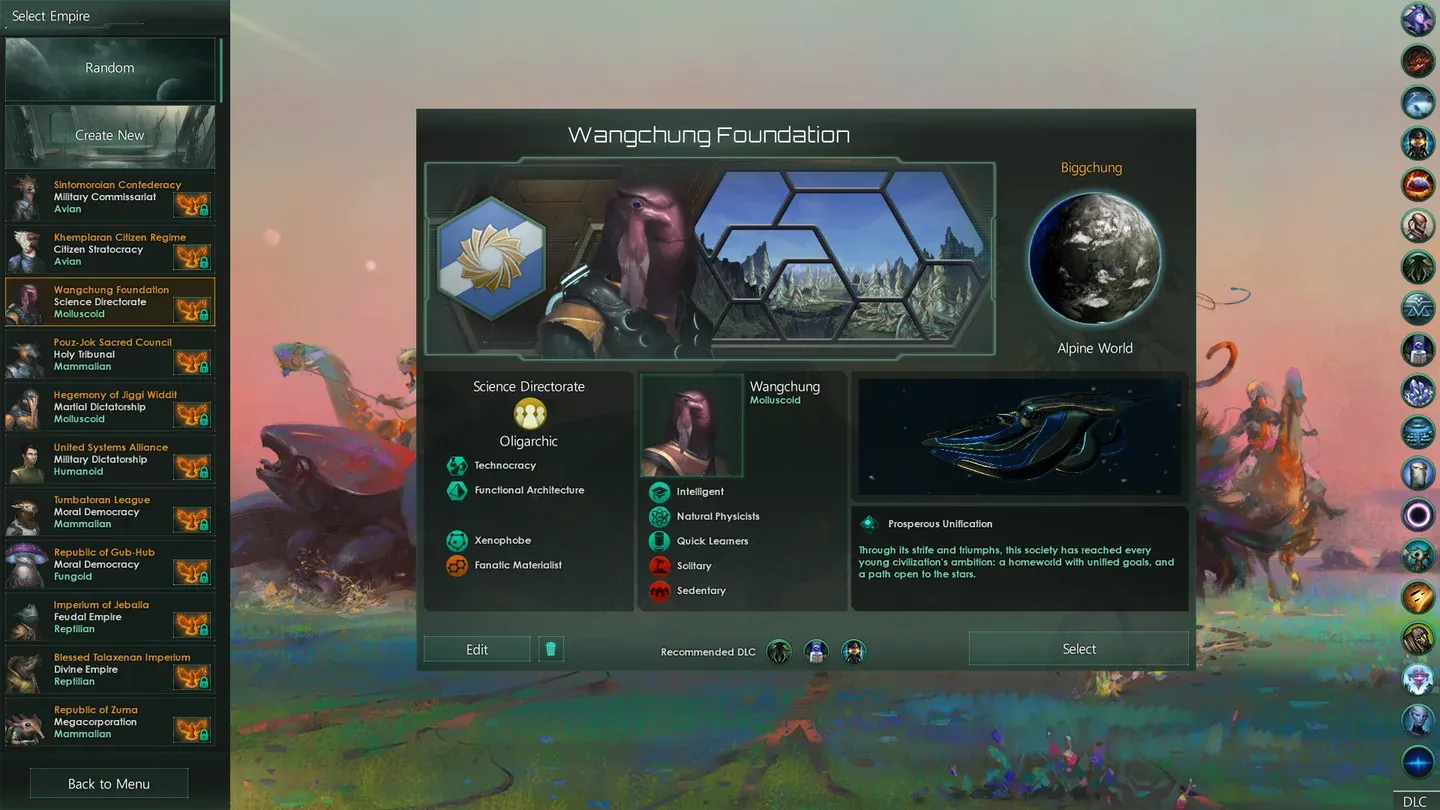
Species customization options
The DLC model isn't without its critics
None of this is to say the expansion strategy has been universally loved. The Stellaris subreddit has spent years debating whether the full DLC cost, which runs well over $200 if you buy everything at launch prices, is reasonable. New players looking at the store page face a wall of optional content with no obvious entry point.
Paradox has acknowledged this friction. The game has appeared in bundles, and individual DLC pieces regularly go on sale. But the core tension between a decade of paid content and accessibility for new players is real, and it hasn't fully gone away.
What's harder to argue with is the output itself. Ten years of consistent updates, with the development team still shipping new mechanics and story content in 2026, is not something most games achieve. For fans of rpg games and strategy titles that reward long-term investment, Stellaris has become a reference point for what sustained post-launch support can look like.
Where things stand at year 10
The anniversary marks a moment worth pausing on. Stellaris in 2026 is a fundamentally different game than Stellaris in 2016. The crisis systems, the mid-game events, the government and ethics mechanics: all of it has been layered in over a decade of updates. Players who bought the game at launch and kept up with expansions have essentially played a game that kept rewriting itself around them.
Paradox hasn't announced the end of Stellaris support, and based on the current release cadence, there's no sign of it slowing down. If you want to dig into the broader strategy game space while keeping up with what's new, our gaming guides hub is a solid place to track what's worth playing right now.