
A programmer who helped build some of Nintendo's most iconic games just dropped a small but telling detail about what working in the industry actually looked like back in the day: you didn't get to keep a copy of what you made.
Giles Goddard, a programmer who contributed to the original Star Fox alongside his former Argonaut colleagues and later worked on titles including Super Mario 64, Stunt Race FX, and 1080 Snowboarding, responded to a viral social media post this week with a straightforward admission. "We weren't given copies of the game back then either," Goddard wrote. “Games used to sell out in stores so we'd wait until supply caught up with demand.”
The comment that started it all
The context here matters. Takaya Imamura, the original character designer for Fox McCloud, posted earlier this week that he wouldn't be getting an early screening of The Super Mario Galaxy Movie, despite creating one of its featured characters. Imamura speculated the situation was simply a reflection of common Japanese corporate practice: once you leave a company, the connection gets severed.
Goddard's reply wasn't about the movie at all. It was a broader observation that even while actively employed and shipping games, developers weren't exactly treated to the fruits of their labor. The policy, at least at Nintendo during that era, appears to have been that copies went to retail, full stop.
info
Giles Goddard worked with Argonaut Software on the original Star Fox before joining Nintendo, where he contributed to Super Mario 64 and several other N64-era titles.
What this actually means for how Nintendo operated
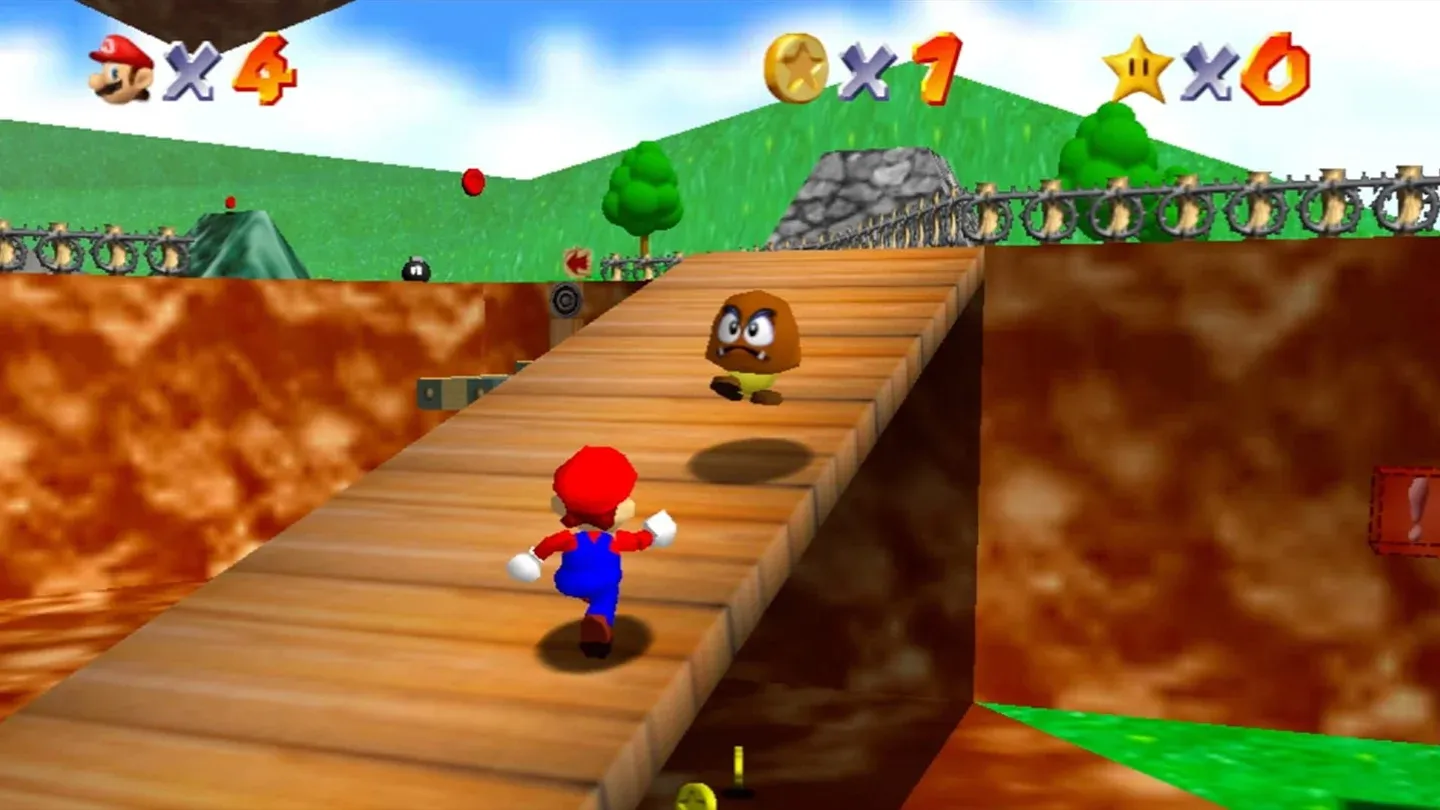
Here's the thing: Super Mario 64 launched in Japan in June 1996 and became one of the fastest-selling games of its generation. You can check the full release history for Super Mario 64 across regions to get a sense of just how wide and rapid that rollout was. Cartridge manufacturing had hard limits, and demand at launch was intense. Nintendo was shipping units as fast as factories could produce them.
In that context, Goddard's account is almost logical, even if it still sounds absurd. The people who built the game were, apparently, just another set of customers waiting in line.
What most players miss is how different the economics of physical game development were before digital distribution existed. There was no Steam key to hand out, no download code to email. A free copy meant pulling a physical cartridge from a limited production run. Whether Nintendo made a deliberate policy call or simply never formalized a developer copy program is unclear, but the result was the same either way.
N64 cartridge manufacturing era
The Star Fox and Mario 64 connection
Goddard's career sits at a genuinely interesting crossroads in gaming history. His work with Argonaut helped establish the Super FX chip that made the original Star Fox possible, and his contributions to Super Mario 64 put him at the center of one of the most studied game development projects in history. The prerelease development of Super Mario 64) alone is a rabbit hole that speedrunners and historians still pick through today.
For someone with that kind of legacy, the idea of queuing up at a store to buy your own work carries a particular weight. Goddard shared the detail matter-of-factly, not bitterly, which somehow makes it land harder.
Imamura, for his part, seems genuinely at peace with his relationship to the franchise he helped shape. When Fox McCloud was revealed for The Super Mario Galaxy Movie, Imamura publicly thanked Shigeru Miyamoto for including the character, describing himself as "overwhelmed with emotion." The movie opens in Japan on April 24.
The broader conversation these two veterans sparked is worth following. Developer working conditions from the 8-bit and 16-bit eras are increasingly being documented by the people who lived them, and details like this one add real texture to a history that's often told purely through the lens of the games themselves. For more stories from gaming's past and present, make sure to check out more: