

Most players know Shigeru Miyamoto as the face of Nintendo's golden era. Far fewer know the name Takashi Tezuka, even though he co-designed the original The Legend of Zelda alongside Miyamoto for the Nintendo Entertainment System back in 1985. That partnership helped define what action-adventure games could be, and now it's officially coming to an end. Nintendo's financial report published on May 8, 2026, confirms Tezuka will retire from the company on June 26, 2026, after 42 years.

Use code TRYHARD33 at checkout to redeem this offer before code expires again.
Get 33% Off GAMES+ Subscription
The career behind some of Nintendo's best games
Tezuka joined Nintendo in 1984, right as the company was laying the groundwork for what would become the most influential game library in history. His first major project was co-designing Super Mario Bros. with Miyamoto, but his work on The Legend of Zelda is what truly defined his impact on the action games genre.
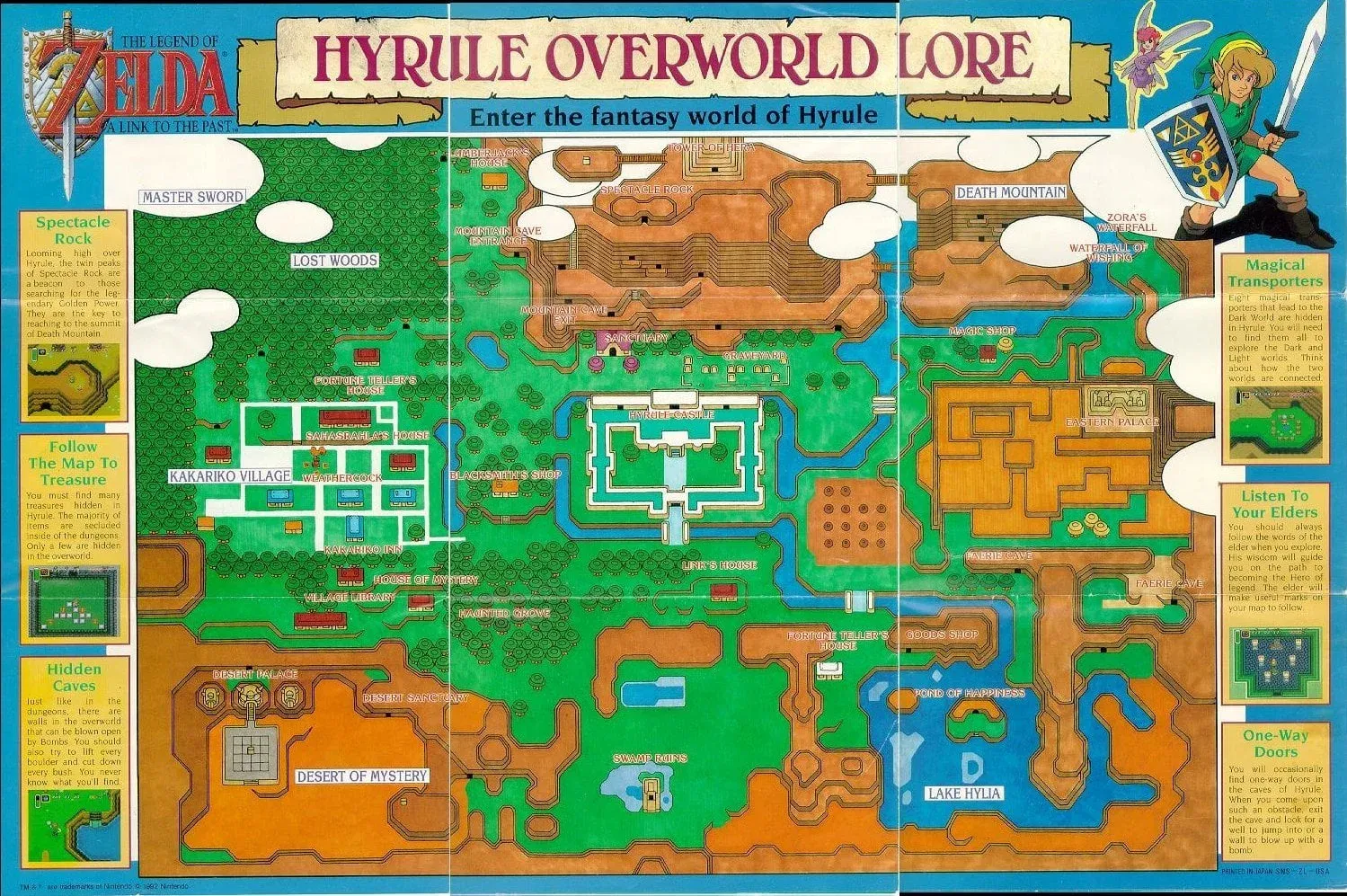
He directed Super Mario Bros. 3, Super Mario World, and Zelda: A Link to the Past — three games that developers still study and reference. Yoshi's Island also bears his creative stamp. That's a portfolio most designers would consider a complete career, and Tezuka built it over four decades.
What made his approach to Zelda different
The original The Legend of Zelda wasn't built on extensive design documents or years of prototyping. Tezuka and Miyamoto were working with limited hardware and making decisions quickly. The result was a game that felt genuinely exploratory, where players had to figure things out without constant guidance.
A Link to the Past expanded that philosophy. The dual-world structure, the rhythm of dungeon progression, the way the overworld rewards curiosity without explicitly telling you where to go next — those design choices didn't come from overthinking the formula. They came from a designer who understood what makes exploration feel rewarding at a core level.
What most players don't realize is how much of what feels natural in modern Zelda games can be traced directly to decisions Tezuka helped make in the early 1990s.
Nintendo's old guard is thinning out
Tezuka's departure is part of a pattern that's been accelerating over the past few years. Hideki Konno, director of Super Mario Kart, has already left. Kensuke Tanabe, producer on the Metroid Prime series, retired earlier in 2026. Miyamoto, now 73, remains at Nintendo as an executive fellow, but he's increasingly an outlier among the generation that built the company's most iconic franchises.
This isn't a crisis for Nintendo, but it is a real transition. The developers who grew up playing those NES and SNES games are now the ones running studios and making design calls. The lineage continues, just through different hands.
Tezuka, 65, leaves behind work that shaped the expectations of an entire medium. For anyone who wants to understand how The Legend of Zelda became what it is, his credits are a solid starting point. You'll find plenty of context in our gaming guides hub if you're looking to revisit those classic entries with fresh perspective.