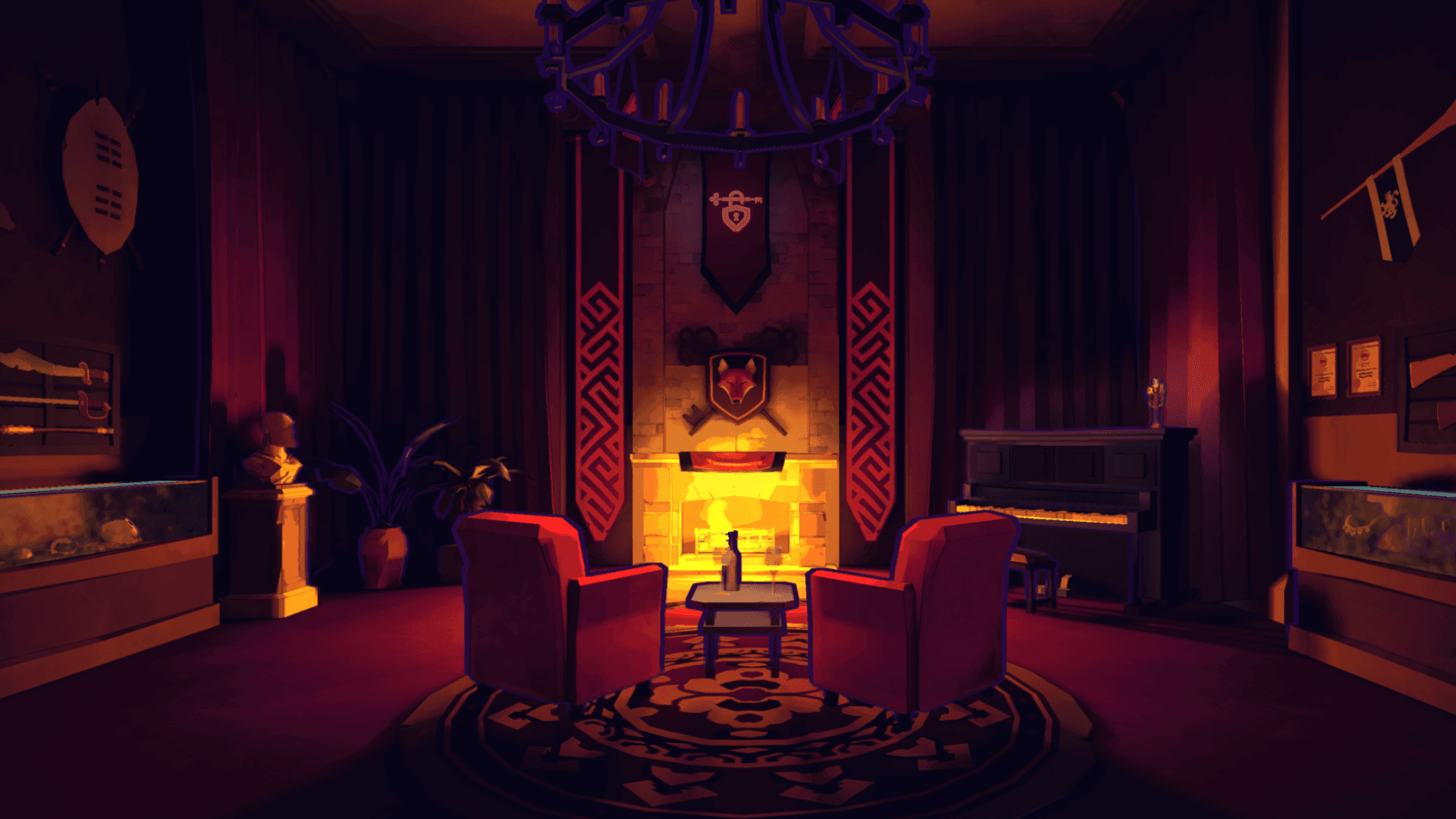

Tales from The Dancing Moon is a solo-developed indie RPG that pulls its world directly from the Welsh coastline. Built by DjMonkey, a technical artist who moonlights as a game developer, the project fuses isometric combat with life-sim rhythms like fishing, cooking, and village routines. Now available on the Epic Games Store, it trades stat-heavy progression for narrative discovery, placing the real-world geography of Rhossili at the center of its fantasy setting.
The game skips the usual fantasy touchstones. No Lord of the Rings homages or tabletop lore. Instead, Rhossili's clifftops, tidal islands, and nineteenth-century shipwrecks shape the world of Ïllisor. The Worm's Head causeway, which vanishes beneath the tide twice daily, provides the template for pathways that shift and disappear. Danger and mystery come from the landscape itself, not invented mythology.

Real places, procedural exploration
DjMonkey starts with actual Welsh geography and builds outward. The central village is hand-authored, but surrounding regions generate procedurally while staying anchored to recognizable locations. Dewiland Meadows mirrors Llandewi. Stocknel Swamps pull from Knelston's marshes. The Noneye Desert reflects Port Eynon's beaches. Even when the layout randomizes, the sense of place holds. Coastline, wetlands, dunes—they shift without losing identity.
This approach lets the world feel both authored and unpredictable. Ïllisor reads less like a fantasy abstraction and more like a parallel-universe version of the Gower Peninsula, where the topography dictates the fiction instead of the other way around.
Combat shares space with daily routines
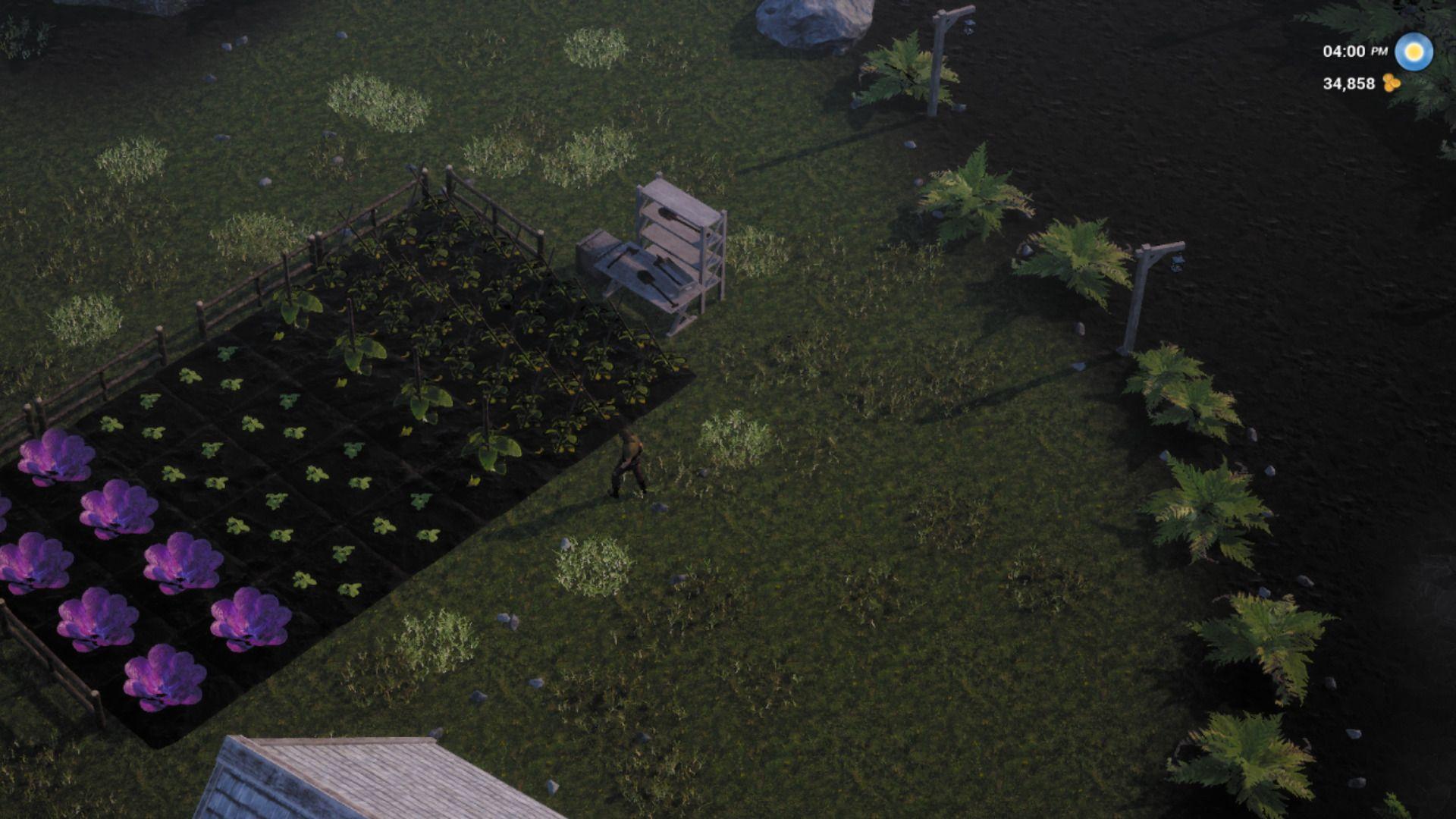
Tales from The Dancing Moon looks like a classic isometric RPG at first glance, but its structure leans closer to life sims. The story unfolds across four seasons. Combat happens, but so does fishing, gathering, brewing tea, and managing village relationships. Players split time between tactical encounters with shadow-beasts and quieter moments chatting with locals or stocking up at shops.
The pacing alternates deliberately. After heavier episodes built around dice-roll combat and strategy, the game pulls back into town for decompression. This rhythm keeps the focus on characters and atmosphere rather than escalating difficulty curves. The influence of Stardew Valley and Animal Crossing is clear, but adapted to serve story progression instead of optimization loops.
You're not building for efficiency. You're building to move the narrative forward.
Tea, pubs, and British texture
British culture runs through the mechanics. Tea isn't cosmetic—it's functional. Different blends affect movement speed and performance, replacing the usual haste spells or stamina potions. Seasonal shifts, especially harsh coastal winters, make preparation and domestic habits part of the adventure loop.
The Dancing Moon pub anchors the village socially. Modeled after the real Worm's Head Hotel, it functions the way local taverns do in rural Wales: as a meeting point, a source of gossip, and a place to decompress. Fergus, the landlord, and other regulars provide narrative threads and emotional grounding. The pub becomes the game's most consistent touchpoint between quests.
Learning replaces leveling
Progression doesn't come from experience points or stat scaling. DjMonkey describes the design as discovery-based, similar to Return of the Obra Dinn and The Outer Wilds. Advancement happens when you understand the world better, not when you grind numbers higher.
Moving into Act 2, for example, requires brewing a specific tea. The challenge isn't mechanical difficulty—it's figuring out the right ingredients and methods through exploration and conversation. Information becomes the reward. You progress by paying attention to environmental cues and dialogue, not by optimizing builds.
From film VFX to solo game development
DjMonkey works as a technical artist in Hollywood, with credits on films like Venom and Maleficent. During the pandemic, he started experimenting with Unreal Engine and pivoted toward game development as a way to control both narrative and systems design in a single project.
Most solo developers stick to 2D pipelines to save time, but DjMonkey chose 3D. Sprite-based workflows didn't align with his technical background, and working in 3D allowed faster iteration without sacrificing visual consistency. The scope stayed manageable by leaning into his existing strengths.
The project includes family collaboration. DjMonkey's brother composed the soundtrack. A close friend contributed 3D assets. Alongside the main story runs a fragmented narrative about modern teenagers entering a strange world, inspired by the developer's own school friendships. Those ideas extend into a written prelude that reframes the classic fantasy journey as a train ride from Paddington to Rhossili.
A Welsh coastline turned into a playable world
Tales from The Dancing Moon doesn't chase spectacle. It chases cohesion. Systems, setting, and tone all pull from the same source: a windswept Welsh coastline and the rhythms of village life layered onto fantasy adventure. By emphasizing story, discovery, and everyday interaction alongside combat, the game positions itself closer to narrative exploration than traditional RPG progression.
With players now stepping into Ïllisor, DjMonkey's long-term creative focus on Rhossili has shifted from personal reference to shared experience, turning a specific real-world place into the foundation of a playable fantasy world.
Tales from The Dancing Moon is available now on the Epic Games Store.
Make sure to check out our articles about top games to play in 2026:
Best Nintendo Switch Games for 2026
Best First-Person Shooters for 2026
Best PlayStation Indie Games for 2026
Best Multiplayer Games for 2026
Most Anticipated Games of 2026
Top Game Releases for January 2026
Frequently Asked Questions (FAQs)
What is Tales from The Dancing Moon?
Tales from The Dancing Moon is a story-driven indie RPG that mixes isometric combat with life-sim mechanics like fishing, cooking, crafting, and social interaction.
Who developed Tales from The Dancing Moon?
The game was developed by solo creator DjMonkey, a technical artist with experience in film productions such as Venom and Maleficent.
What inspired the game's setting?
The setting is inspired by Rhossili, a coastal village in Wales, including its cliffs, beaches, Worm's Head tidal island, and historic shipwrecks.
Is Tales from The Dancing Moon a cozy game or an RPG?
It blends both. Players engage in combat and quests while also managing village life through relaxed activities and character interactions.
How does progression work in the game?
Progression is based on discovery rather than stats. Learning information, recipes, and story context unlocks new acts and areas instead of grinding levels.
Where can you play Tales from The Dancing Moon?
Tales from The Dancing Moon is available on the Epic Games Store.