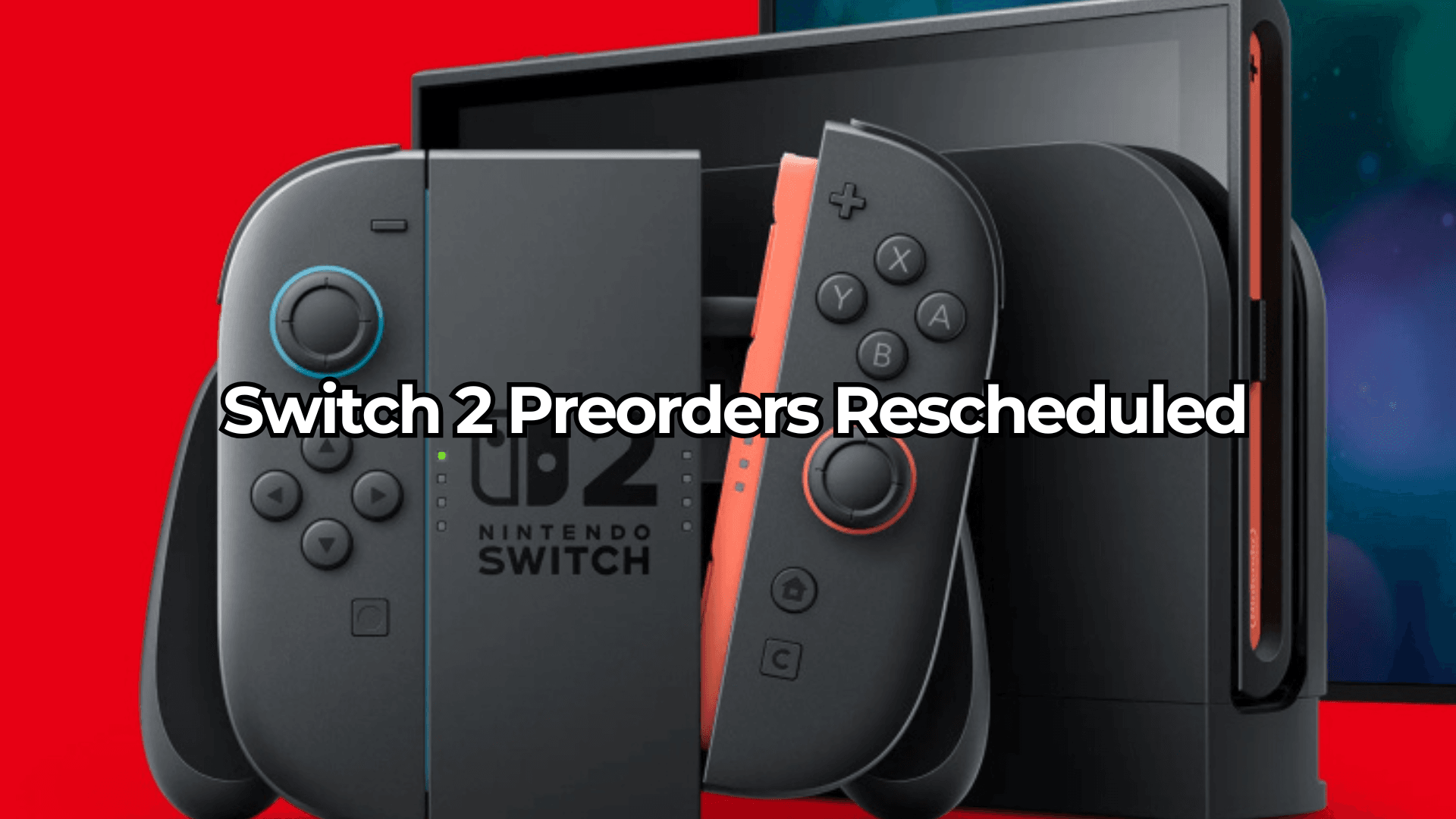
As tariff increases continue to affect a wide range of consumer goods, the video game sector appears somewhat insulated, particularly in the area of digital distribution. Digital video games do not require materials, shipping, or manufacturing, allowing them to avoid many of the costs typically associated with tariffs. This structural difference has positioned digital games to remain largely unaffected by the recent economic changes, at least in terms of direct pricing.
How Tariffs Could Change the Players Buy Games
The shift toward digital formats in the gaming industry predates current tariff discussions, with PC gaming already predominantly digital. Market intelligence analysis indicates that digital gaming's dominance means that tariffs are not expected to significantly impact the price of video game software. In an interview with FastCompany, industry observers note that the digital infrastructure supporting modern gaming provides a natural buffer against trade-related cost increases.

How Tariffs Could Change the Players Buy Games


Shifts in Consumer Spending Behavior
While digital games may not experience direct price hikes, the broader economic impact of tariffs could still influence how Americans spend money on games. The effect of tariffs on everyday essentials like groceries and housing could limit discretionary spending, including entertainment expenses. This pressure may lead more consumers to gravitate toward free-to-play games or cheaper alternatives rather than investing in premium titles. Industry analysis suggests that consumers might prefer spending smaller amounts on microtransactions within games they already enjoy, rather than committing to the higher upfront cost of new releases.
The Growing Role of Microtransactions
The growing reliance on microtransactions within the gaming industry could be further amplified by changes in consumer behavior. The 2025 PC and Console Gaming Report shows that 58% of all PC gaming revenue in 2024 came from microtransactions, reflecting a slight but steady increase from the previous year. Spending $5 or $20 on a familiar title is often seen as more manageable than paying $80 for a new game. Well-established games such as Fortnite, Minecraft, Roblox, Grand Theft Auto, and Call of Duty are expected to benefit from this trend, as they offer ongoing content and social engagement that encourage repeated spending.
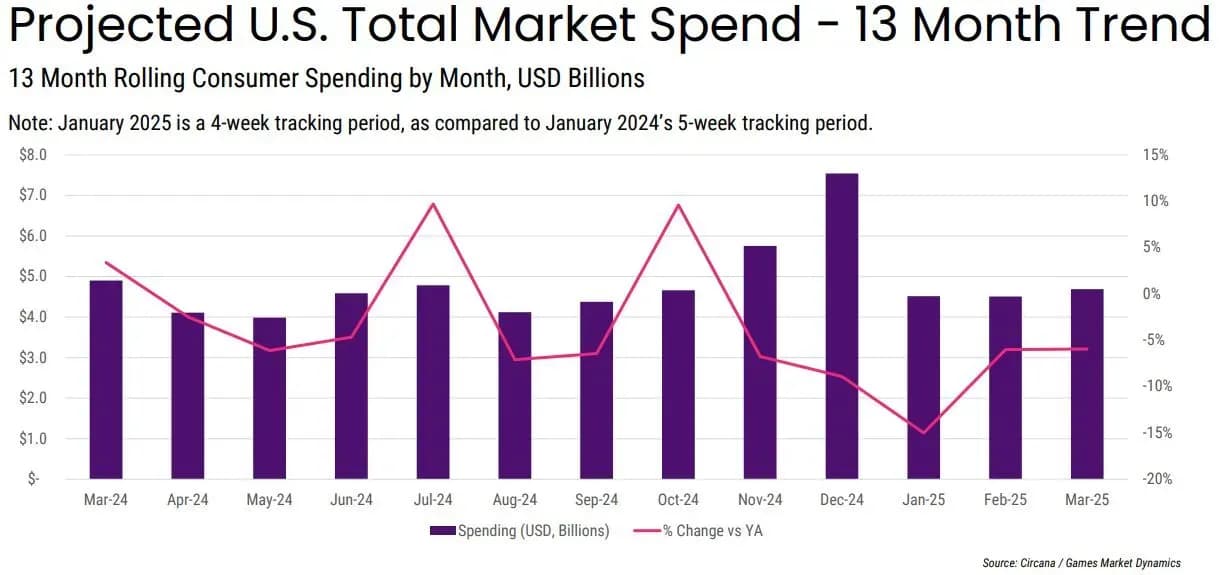
Projected USA Total Market Spend March 2024-2025
Impact on Physical Games and Hardware
While digital games may continue to thrive, the market for physical games and gaming hardware faces more significant challenges. The introduction of tariffs is likely to affect hardware and packaged games, areas where companies like Nintendo have traditionally maintained a strong presence. Nintendo's decision to delay the launch of the Switch 2 in the United States highlights concerns about the viability of physical distribution models under current economic conditions. Nintendo's emphasis on physical cartridges for easy sharing among family members may require reconsideration of production and distribution strategies in response to these new challenges. Tariffs could make packaged games more expensive than their digital counterparts, possibly accelerating the industry's gradual shift toward digital distribution.
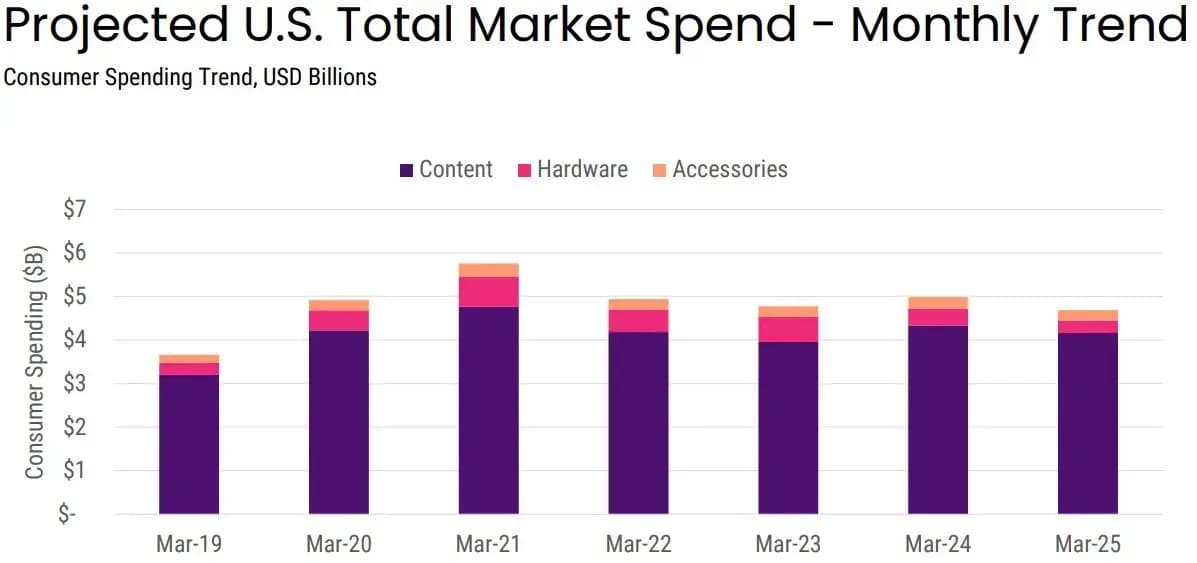
Projected USA Total Market Spend March 2025
The Uncertain Future of Video Game Spending
Despite these potential shifts, making definitive predictions about the future remains difficult due to the rapidly changing economic environment. The high level of uncertainty means that while Americans will continue to enjoy video games, the ways in which they play and spend money on them could evolve significantly. The video game industry, which saw peak audience growth during the COVID-19 pandemic, has since shifted its focus from expanding its user base to maintaining and increasing engagement among existing players. How tariffs will ultimately shape spending habits and consumer preferences remains an open question, but adaptation will be necessary across the industry.