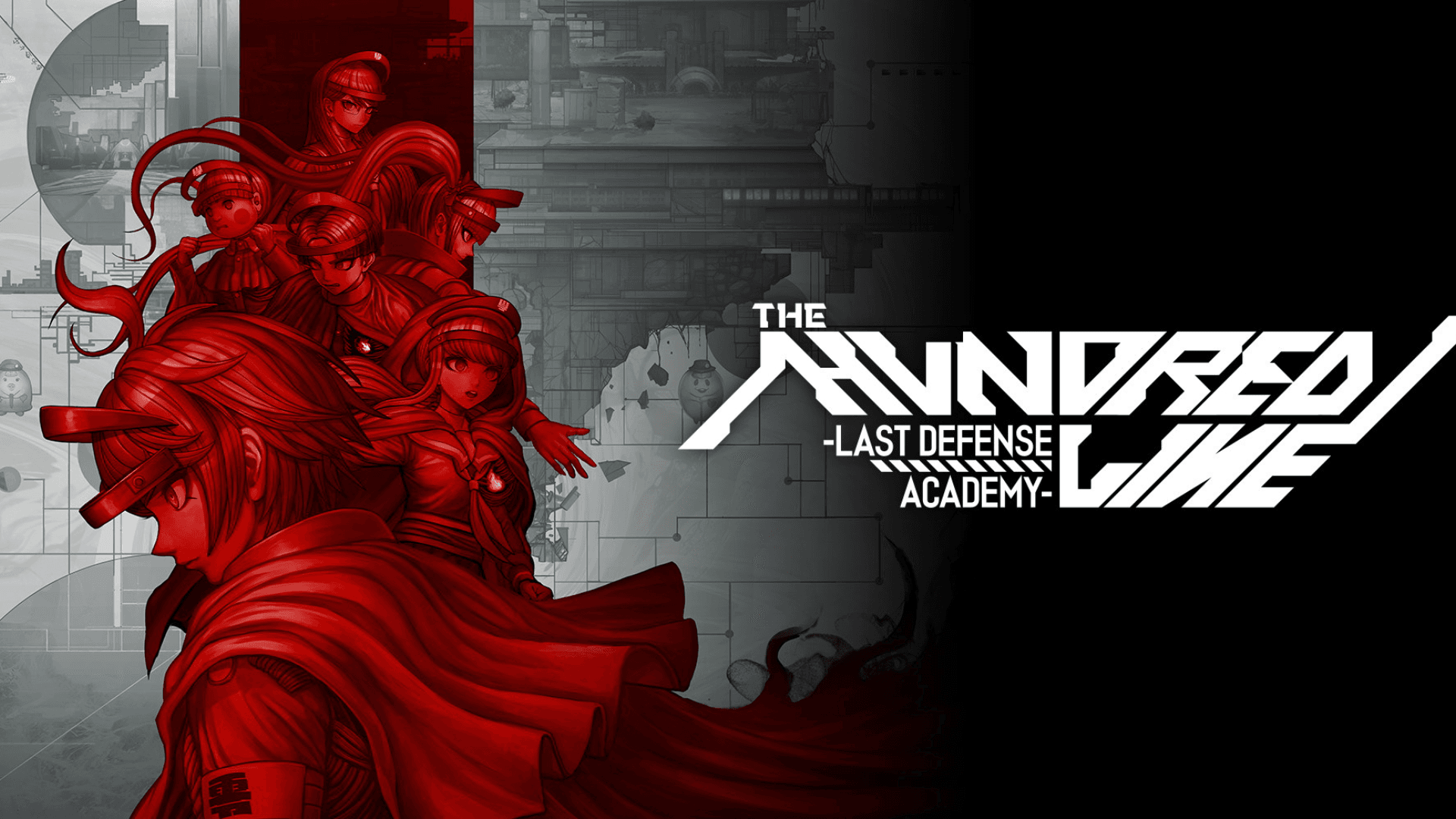

The Hundred Line: Last Defense Academy initially presents itself as a structured, almost conventional narrative experience. Players take control of Takumi Sumino, one of 15 high school students tasked with defending humanity from unknown invaders while confined to the enigmatic Last Defense Academy. The story unfolds across a fixed span of 100 days, a format that will feel recognizable to fans of Danganronpa, with daily routines split between story scenes, character interactions, and tactical combat encounters.
For much of its early runtime, the game reinforces the expectation of a largely linear progression. Characters are introduced methodically, relationships develop at a measured pace, and the looming deadline of day 100 frames the central conflict. It is a deliberate setup that establishes tone, mechanics, and emotional stakes before expanding into something far less predictable.

Strategy RPG Systems That Support the Narrative
Combat in The Hundred Line is built around grid-based strategy RPG mechanics, functioning as a narrative extension rather than a standalone challenge. Battles are paced to complement the story’s rhythm, reinforcing character roles and relationships without overwhelming the player with excessive complexity. Outside of combat, free-time segments allow Takumi to strengthen bonds with classmates, unlocking additional scenes and abilities that subtly influence later outcomes.
These systems are not designed to radically alter the main storyline during the initial playthrough, but they serve an important purpose. By grounding the player in routine and familiarity, the game ensures that later narrative shifts carry more weight, both mechanically and emotionally.
When the Game Reveals Its True Structure
Reaching the 100th day does not conclude The Hundred Line. Instead, it reframes everything that came before it. What initially appears to be a complete story is revealed as a prologue, opening access to a branching timeline system that fundamentally changes how the game is played.
From this point forward, The Hundred Line adopts a structure closer to AI: The Somnium Files and the Zero Escape series. Players gain access to a flow chart that maps key decisions and divergent timelines, allowing them to revisit critical moments and explore alternate outcomes. Choices that once seemed minor now lead to significantly different scenarios, character arcs, and endings.
This shift transforms the game from a guided narrative into an exploratory one, where understanding the full story requires navigating multiple timelines rather than following a single path to completion.
A Commitment to Meaningful Alternate Outcomes
Unlike many choice-driven games that funnel players toward similar conclusions, The Hundred Line places genuine emphasis on divergence. Characters can survive, change allegiances, or develop entirely different personalities depending on the timeline. Some routes lean into comedy or genre experimentation, while others explore darker consequences that recontextualize earlier events.
The development team has stated that writers were given broad freedom to experiment, and that flexibility is evident throughout the branching structure. While there is a “true ending” that resolves the central mysteries, the alternative endings are not treated as filler. Each provides insight into the characters and themes, making the act of exploration feel purposeful rather than obligatory.
Why The Hundred Line Works as an Interactive Story
At its core, The Hundred Line: Last Defense Academy demonstrates how video games are particularly suited to stories about parallel timelines. The ability to actively move between outcomes, compare consequences, and witness alternate versions of the same events gives the narrative a level of engagement that static media struggles to replicate.
The scale of the project is ambitious, and the time investment required to see every ending is substantial. Still, the game consistently justifies that commitment through variety and structural clarity. Rather than overwhelming players with arbitrary choices, it encourages deliberate exploration and reflection on how decisions shape both story and character.
A Standout Narrative Experiment in 2025
The Hundred Line stands out in 2025 not because it introduces the idea of multiple timelines, but because it fully commits to exploring that concept through gameplay. By combining visual novel storytelling, strategy RPG systems, and an expansive branching narrative, it delivers an experience that rewards patience and curiosity.
For players familiar with the creative teams behind Danganronpa and AI: The Somnium Files, The Hundred Line feels like a culmination of ideas refined over multiple projects. For newcomers, it serves as a dense but thoughtful example of how interactive storytelling can evolve when developers are willing to embrace complexity.
Make sure to check out our articles about top games to play in 2026:
Best Nintendo Switch Games for 2026
Best First-Person Shooters for 2026
Best PlayStation Indie Games for 2026
Best Multiplayer Games for 2026
Most Anticipated Games of 2026
Top Game Releases for January 2026
Frequently Asked Questions (FAQs)
What genre is The Hundred Line: Last Defense Academy?
The game is a hybrid of visual novel storytelling and strategy RPG combat, with a strong focus on narrative choice and branching timelines.
How many endings does The Hundred Line have?
The game features 100 distinct endings, all tied to different choices and timeline paths.
Is there a true ending?
Yes, there is a true ending that resolves the main story, but many alternate endings provide meaningful variations and additional context.
Do choices significantly change the story?
Yes. Unlike many narrative games, choices in The Hundred Line can lead to major changes in character outcomes, story structure, and tone.
How long does it take to complete the game?
A single playthrough to the initial ending can take several dozen hours, while exploring all 100 endings requires a much larger time investment.
Is prior knowledge of Danganronpa or AI: The Somnium Files required?
No prior experience is required, though familiarity with those games may help players better understand the narrative style and structure.