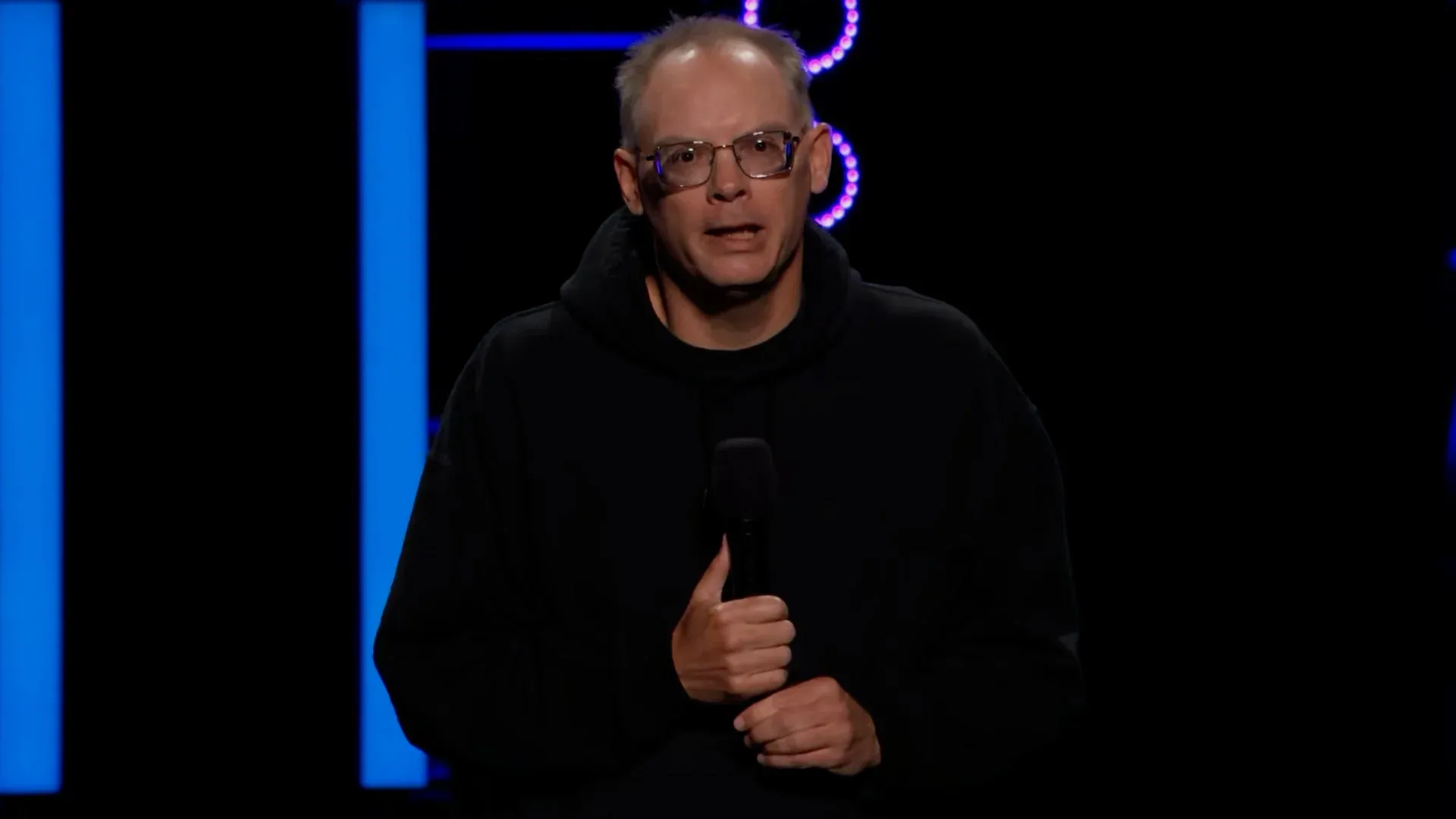


The triple-A games business is in serious trouble, and the person saying it loudest right now is the CEO of one of gaming's most powerful companies. At the State of Unreal event, Tim Sweeney stepped on stage and delivered a speech that was equal parts warning and rallying cry, painting a picture of an industry where blockbuster games are haemorrhaging money and Roblox is quietly positioning itself to absorb everything.
The numbers that should alarm every developer
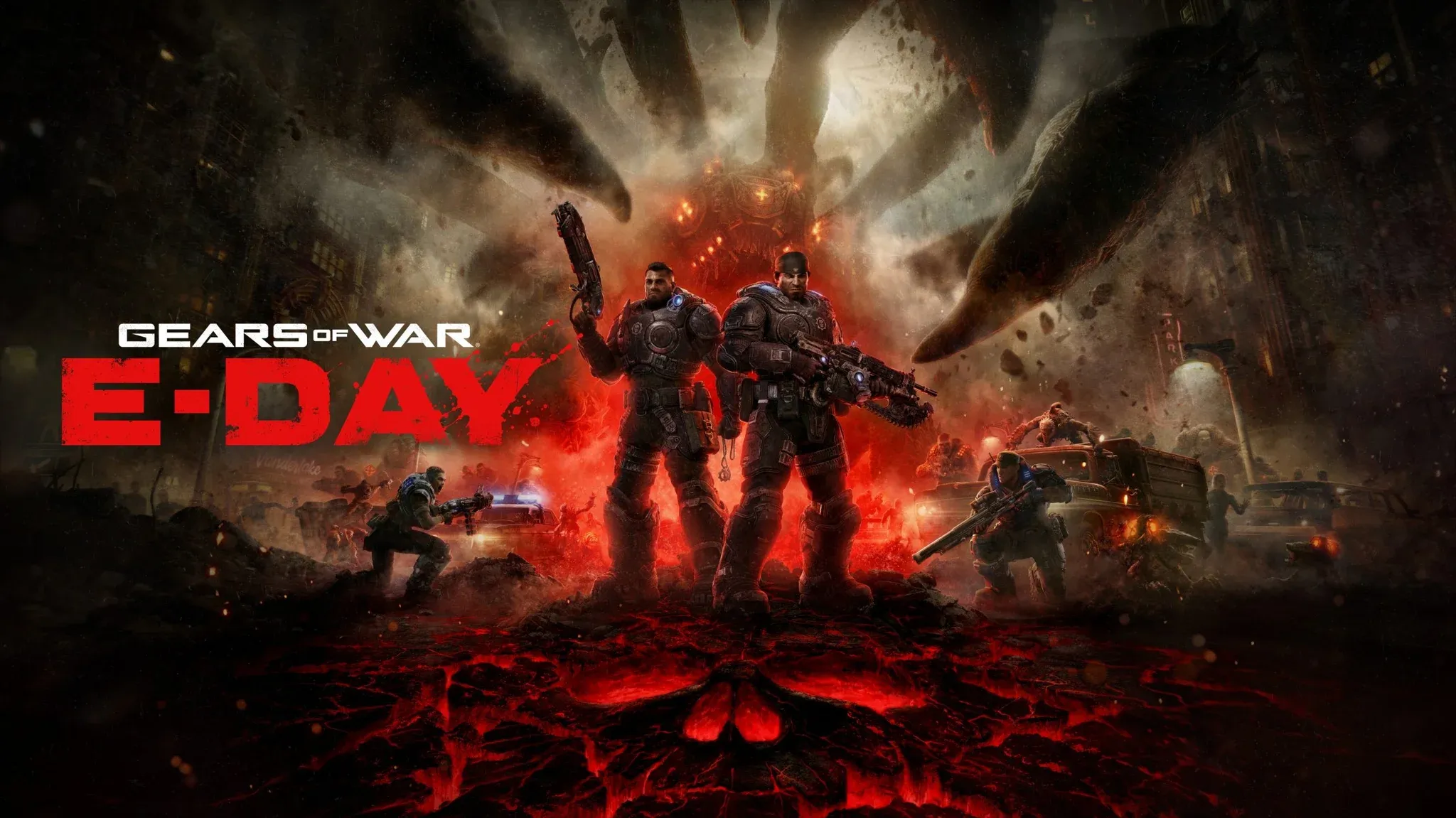
Sweeney opened with a blunt financial reality that most publishers would rather not say out loud. "We're seeing often hundreds of millions of dollars of development costs followed by tens of millions of dollars of revenue," he said, describing the situation as a "tidal wave sweeping over the triple-A game business."
Here's the thing: this isn't abstract doom-saying. PlayStation's five most-played games in the US in 2025 were identical to the year before, Fortnite, Call of Duty, Grand Theft Auto 5, Minecraft, and Roblox. New releases aren't breaking into that list. They're failing to find audiences large enough to survive, and the costs of trying keep climbing.
Sweeney's diagnosis points to a generational shift in how people actually play. "In the old days, it was: you decide to play a game, you download it. Nowadays, it's much more about you getting together with your friends and then deciding what to do together online." Long-established games with existing social graphs win that dynamic almost automatically. New releases have to fight uphill from day one.
Why Roblox specifically bothers Sweeney
Of all the forces reshaping gaming, Roblox seems to sit uncomfortably close to home for Epic. Sweeney was direct about it. "One view of the future is that Roblox grows and eats gaming," he said, acknowledging that plenty of people online are already saying exactly that.
His concern isn't just competitive. It's structural. Roblox operates as a centralised platform with a single gatekeeper that, by Sweeney's count, takes more than 70 percent of revenue generated across its 450 million users. For independent creators and game developers building on that platform, the economics are punishing. What most players miss is that the games they love inside Roblox are generating revenue at a fraction of what those same experiences might earn on a more open platform.
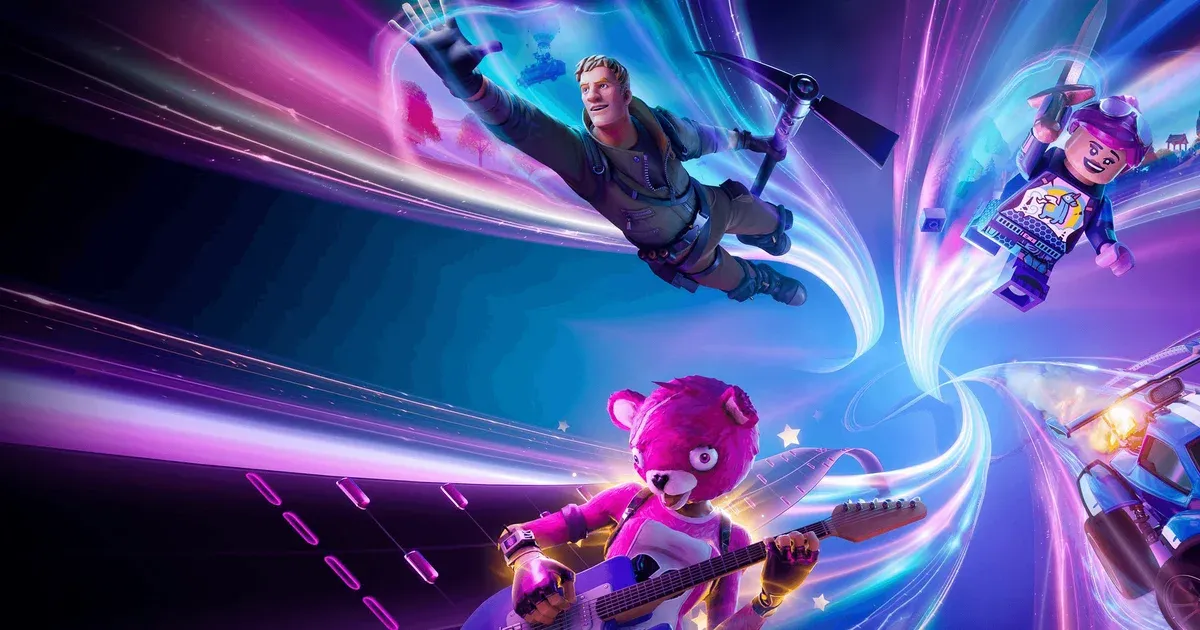
The irony isn't lost on anyone: Fortnite, Epic's own flagship, also offers user-generated content and experiences. Sweeney's argument is that the difference lies in openness and revenue share, though Epic's own creator economics have faced scrutiny over the years too.
Epic's answer: connected games on Unreal Engine
Sweeney's proposed solution runs through Epic's own product roadmap, which makes it worth treating with some scepticism alongside genuine interest. The vision is a connected ecosystem where games built on Unreal Engine share assets, economies, and player bases. The upcoming Unreal Engine 6 is meant to demonstrate this in practice, with Fortnite skins and other assets becoming usable across different games running on the engine.
These "smart assets" aren't Fortnite-exclusive. The pitch is that any developer building on Unreal Engine could participate in a shared economy, making games feel like part of a larger world rather than isolated products. Whether developers will trust Epic enough to hand their asset pipelines over to that vision is a separate question entirely.
Epic is not speaking from a position of pure strength here. The company cut more than 1,000 developers in a single round of layoffs, partly because Fortnite's player engagement dropped and the company had scaled up expecting that growth to continue. Sweeney is diagnosing an industry disease that infected his own studio.
What this actually means for players
For anyone spending time inside Roblox right now, whether that's farming crops in Grow a Garden (check out the beginner's guide to Grow a Garden if you're just starting out) or grinding ranked modes, none of this changes the day-to-day experience. The platform is growing, engagement is up, and new experiences keep arriving.
The longer-term question is what Roblox's dominance means for the broader games market. If the platform continues absorbing new players at the rate it has been, the pool of people willing to spend $70 on a new triple-A release shrinks. That's Sweeney's core concern, and it's a reasonable one regardless of whether his Unreal Engine solution is the right answer.
The industry is clearly at an inflection point. For players who want big-budget single-player and multiplayer experiences to keep existing, the economics Sweeney described need to change. How they change, and who benefits, is the fight that's just getting started. Dig into the full range of Roblox guides to stay across everything happening inside the platform while this larger battle plays out.
Roblox Resources
Check out Roblox Gift Cards on Amazon here.
Learn about other popular Roblox experiences: