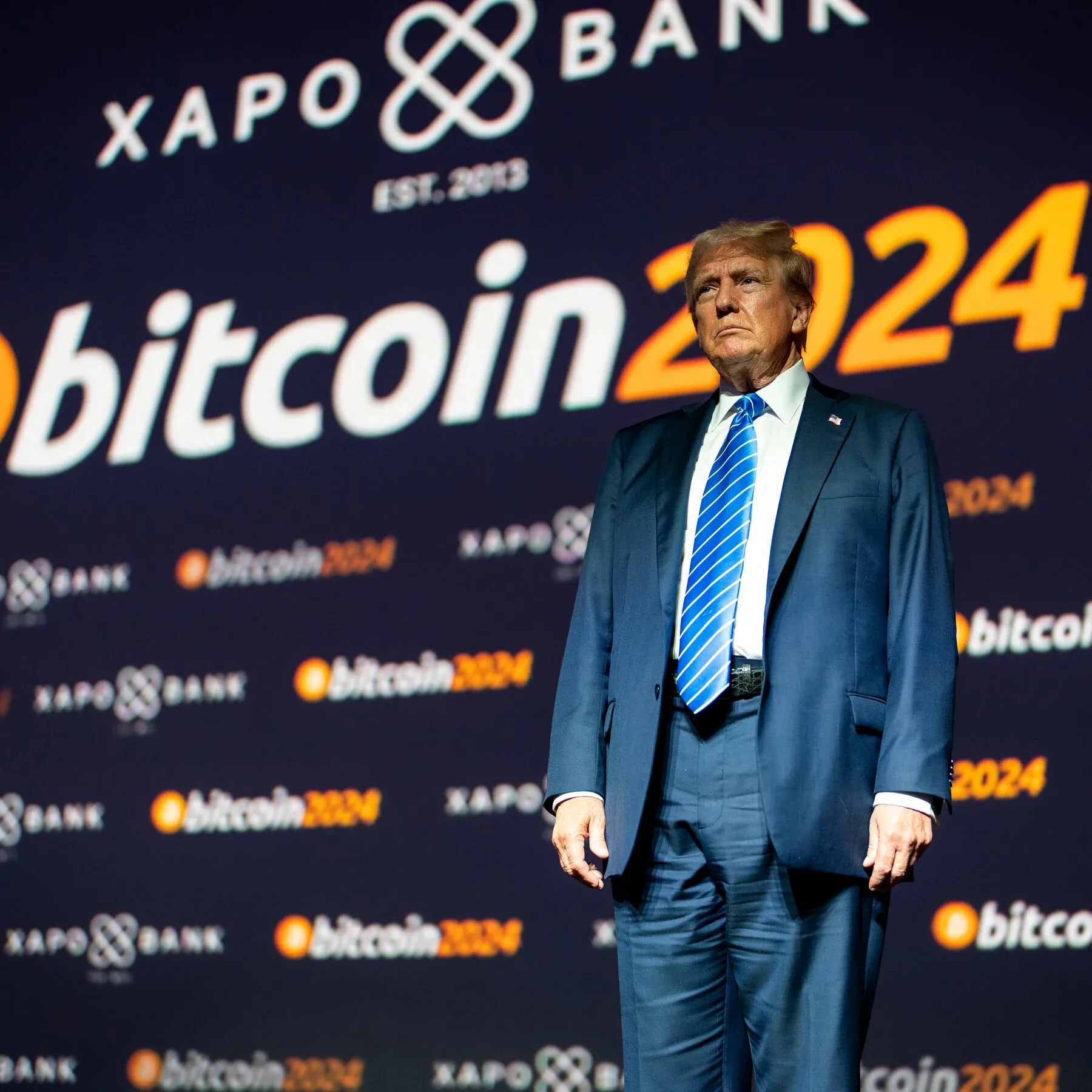


President Donald Trump's annual financial disclosure, released by the U.S. Office of Government Ethics, puts a number to what many already suspected: the sitting president has massive skin in the crypto game. The filing reveals more than $1.2 billion in crypto-related earnings alongside approximately $50 million in direct Bitcoin holdings.
These aren't small side bets. The scale of Trump's disclosed crypto interests is unlike anything seen in a presidential financial filing before, and it puts a spotlight on the growing overlap between political power and digital assets.

Use code TRYHARD33 at checkout to redeem this offer before code expires again.
Get 33% Off GAMES+ Subscription
What the disclosure actually shows
The filing covers a broad range of crypto-related ventures tied to Trump and entities connected to him. The $1.2 billion-plus in earnings figure pulls from multiple streams, with the Bitcoin position representing a separate, more direct personal holding. The disclosure does not break down every individual asset in granular detail, but the aggregate numbers are significant enough to draw immediate attention from ethics watchdogs and lawmakers alike.
Here's the thing: a sitting U.S. president holding this level of exposure to an asset class that his administration actively regulates is the kind of conflict-of-interest question that doesn't go away quietly. Critics have pointed out that policy decisions around crypto regulation, Bitcoin reserve discussions, and digital asset legislation all carry direct financial implications for holdings of this size.
Trump's web3 footprint before the filing
This disclosure doesn't exist in a vacuum. Trump's involvement in the web3 space has been building for years, from NFT trading card collections to the World Liberty Financial project and the Trump Billionaires Club initiative. If you want a closer look at how that last one works, the Trump Billionaires Club pre-registration guide breaks down how to get involved.
The breadth of these ventures makes the $1.2 billion figure easier to contextualize. It isn't a single windfall. It's the cumulative result of multiple overlapping projects, each generating revenue streams that have now been formally quantified in a government document for the first time.
The conflict of interest conversation
What most players miss in coverage like this is the downstream effect on policy. When the person setting the regulatory tone for an entire asset class holds over a billion dollars in earnings from that same class, every decision carries a different weight. Lawmakers from both parties have already flagged the disclosure as grounds for renewed scrutiny of crypto-related legislation moving through Congress.
The timing matters too. The disclosure lands as the U.S. is actively debating stablecoin regulation, Bitcoin reserve proposals, and the broader framework for how digital assets get classified and taxed. Each of those outcomes has a direct line back to holdings like the ones just disclosed.
For gamers and web3 players watching this space, the political stakes around crypto regulation have real consequences for the games and platforms you use. Projects like the Big Time token preseason leaderboard airdrop exist within a regulatory environment that Washington is actively shaping right now.
What comes next
Ethics oversight bodies and congressional committees are already signaling they want more detail. There will be pressure for additional disclosures, potential recusal discussions on specific legislative votes, and likely a sustained media cycle around the question of whether a president can objectively govern a sector where he holds nine-figure personal stakes.
For anyone tracking how crypto policy develops over the next 12 months, this filing is the reference point everything else gets measured against. Check the gaming guides hub for continued coverage as the web3 regulatory picture evolves and what it means for the games and platforms built on top of it.