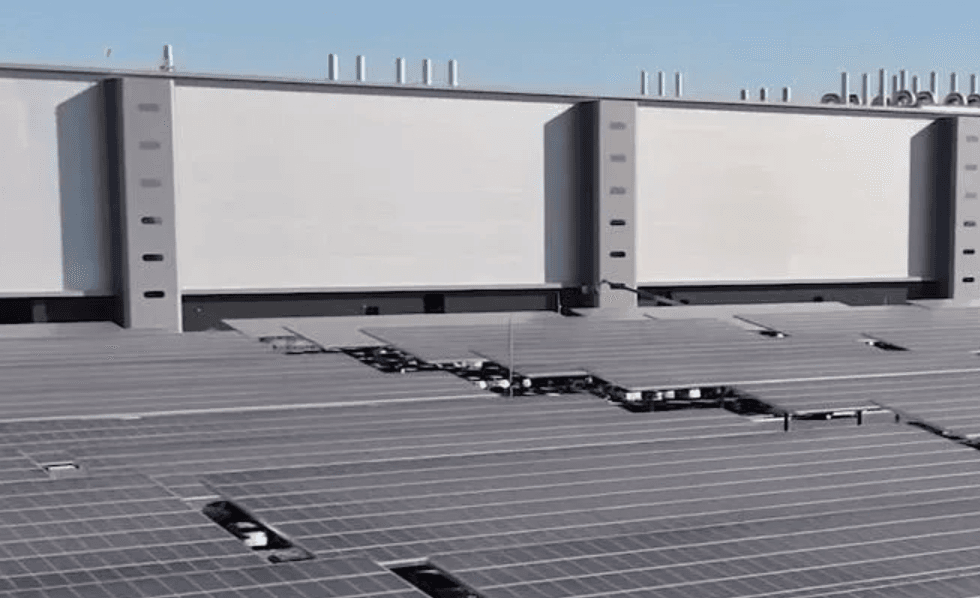

Think about the most expensive game ever made. Now multiply that budget by roughly 40,000. That gets you somewhere close to what TSMC is now committing to American soil. The Taiwan Semiconductor Manufacturing Company announced this week it plans to spend another $100 billion on chip fabrication facilities in Arizona, bringing its total pledged US investment to a staggering $265 billion.
For context: TSMC first announced a $65 billion Arizona investment back in 2020. Last March, CEO C.C. Wei stood alongside President Trump at the White House to unveil a second $100 billion tranche. Now there is a third. The pace of these commitments is accelerating, not slowing down.
What Wei actually said, and why it matters
On TSMC's Q2 2026 earnings call, Wei framed the new investment around "strong multiyear demand" from US customers. The goal, he said, is to build several more semiconductor and advanced packaging fabrication plants in Arizona to strengthen supply chains and create high-tech jobs domestically.
Here's the thing: that language about supply chains is doing a lot of heavy lifting. The subtext is China. Chinese chipmakers have been steadily advancing their domestic production capabilities, and the US semiconductor industry has been watching that progress with mounting urgency. Locking in domestic fab capacity now, at scale, is the kind of long-term move that pays off over a decade, not a quarter.
Why gamers and tech consumers should actually care
Semiconductors are the hardware underneath everything. Every GPU powering your gaming rig, every chip inside a console, every processor running AI workloads on cloud gaming platforms runs on fabricated silicon. What most players miss is that chip supply directly shapes what hardware costs, how quickly next-generation components reach shelves, and how reliably manufacturers can hit launch windows.
When chip supply gets squeezed, as it did during the global shortage that ran from 2020 through much of 2023, GPU prices spike, console stock evaporates, and peripheral makers cut corners. A more resilient US-based supply chain with TSMC capacity on American soil reduces that vulnerability significantly.
The advanced packaging plants mentioned by Wei are particularly relevant here. Packaging technology is how chipmakers stack and connect multiple dies together to build the kind of high-bandwidth processors that modern GPUs and AI accelerators depend on. More advanced packaging capacity in Arizona means more of that critical production is geographically diversified away from Taiwan.
The stock dip nobody expected
Despite the announcement and strong earnings, TSMC's stock dropped roughly 3.7 percent when markets opened on Thursday. That reaction is worth noting. Investors appear to be weighing the sheer scale of capital expenditure against near-term returns, or factoring in geopolitical risk that no amount of Arizona concrete fully eliminates.
The key here is that TSMC's business case for this investment is built on long-horizon demand, not short-term sentiment. The company's customers, which include the biggest names in semiconductors and consumer electronics, are signing multi-year agreements that justify this kind of infrastructure spend. A single day's stock movement does not tell that story.
For gamers tracking the broader tech ecosystem, this investment signals that the companies building the hardware your games run on are betting heavily on a future where AI-driven workloads, cloud infrastructure, and next-generation consumer devices all require far more chip production than currently exists. That demand is not slowing down.
Keep an eye on how this Arizona expansion timeline develops over the next 12 to 18 months. The first TSMC Arizona fab has already begun production, and additional plants coming online will tell us a lot about whether these $265 billion in commitments translate into real supply chain resilience. For everything else happening in gaming tech and hardware, check out our gaming guides for the latest on how these shifts affect your setup and the games you play.