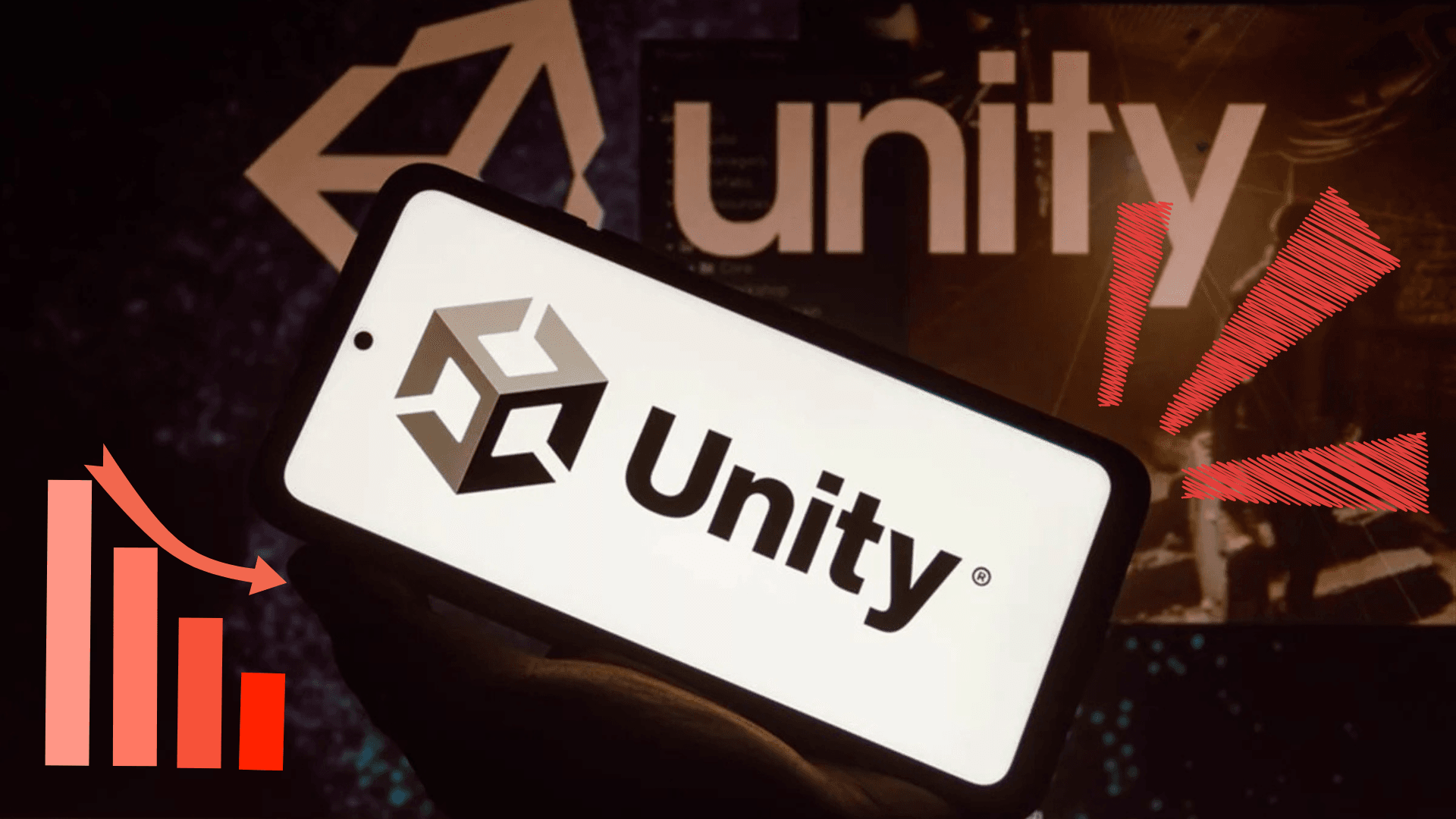

Unity's stock closed at $18.36 per share on February 17th, 2026, nearing its lowest point since summer 2024. The price marks a 59% drop since January and a 16% decline year-over-year. From its peak of $201.12 in November 2021, Unity has shed 91% of its value over nearly five years of continuous decline.
Multiple challenges have weighed on the stock, including backlash from the Runtime Fee policy, sweeping internal restructuring, and the 2022 IronSource acquisition. Unity expected the merger to boost profitability, but those financial benefits haven't arrived as planned.
Google's Project Genie raises competitive pressure
Investor anxiety spiked after Google launched Project Genie in the U.S. on January 29th, 2026. The AI-driven tool lets Google AI Ultra subscribers generate playable virtual worlds from text prompts, with first- or third-person gameplay lasting up to 60 seconds. Unity CEO Matthew Bromberg called it a "powerful accelerator" rather than a direct competitor, but the announcement still triggered sell-offs across Unity and other game-creation platforms like Roblox.
The stock dropped for eight straight days before bouncing back on February 6th, climbing to $29.06 by February 10th. That recovery didn't last. Unity's Q4 earnings release brought another wave of selling.
Q4 results show modest progress
Unity posted $503 million in revenue for Q4 2025, up 10% from the prior year. Adjusted EBITDA hit $125 million for the quarter, while the net loss narrowed to $89 million from $123 million in Q4 2024. For the full year, revenue reached $1.8 billion, a 2% increase, with a net loss of $401.5 million — a 38% improvement over 2024.
On the latest earnings call, Bromberg outlined plans for Unity's upgraded AI platform beta. The tool will let developers build full casual games using natural language prompts, aiming to streamline production and expand what creators can do without traditional coding.
What's next for Unity
Unity's financials are moving in the right direction, but the stock keeps sliding. Past losses, competitive threats from Google Project Genie, and broader market instability have pushed shares near multi-year lows. How well Unity executes on its AI roadmap and overall growth plan will determine whether investors regain confidence.
Make sure to check out our articles about top games to play in 2026:
Best Nintendo Switch Games for 2026
Best First-Person Shooters for 2026
Best PlayStation Indie Games for 2026
Best Multiplayer Games for 2026
Most Anticipated Games of 2026
Top Game Releases for January 2026
Frequently Asked Questions (FAQs)
Why did Unity shares fall to $18.36?
The drop stems from ongoing financial losses, investor uncertainty, and new competition from Google's Project Genie, an AI tool that generates virtual worlds from text.
How much have Unity shares declined since their peak?
Unity hit $201.12 in November 2021. The stock has since fallen 91% over nearly five years.
What impact did Google Project Genie have on Unity stock?
Project Genie's January 2026 launch heightened concerns about competition in AI-driven game creation, contributing to Unity's stock decline.
How did Unity perform financially in 2025?
Unity brought in $1.8 billion in revenue for 2025, up 2% from 2024, but recorded a net loss of $401.5 million — a 38% improvement year-over-year.
What is Unity's plan for AI in game development?
Unity is testing a beta of its new AI platform, designed to let developers create complete casual games using natural language prompts instead of traditional coding.