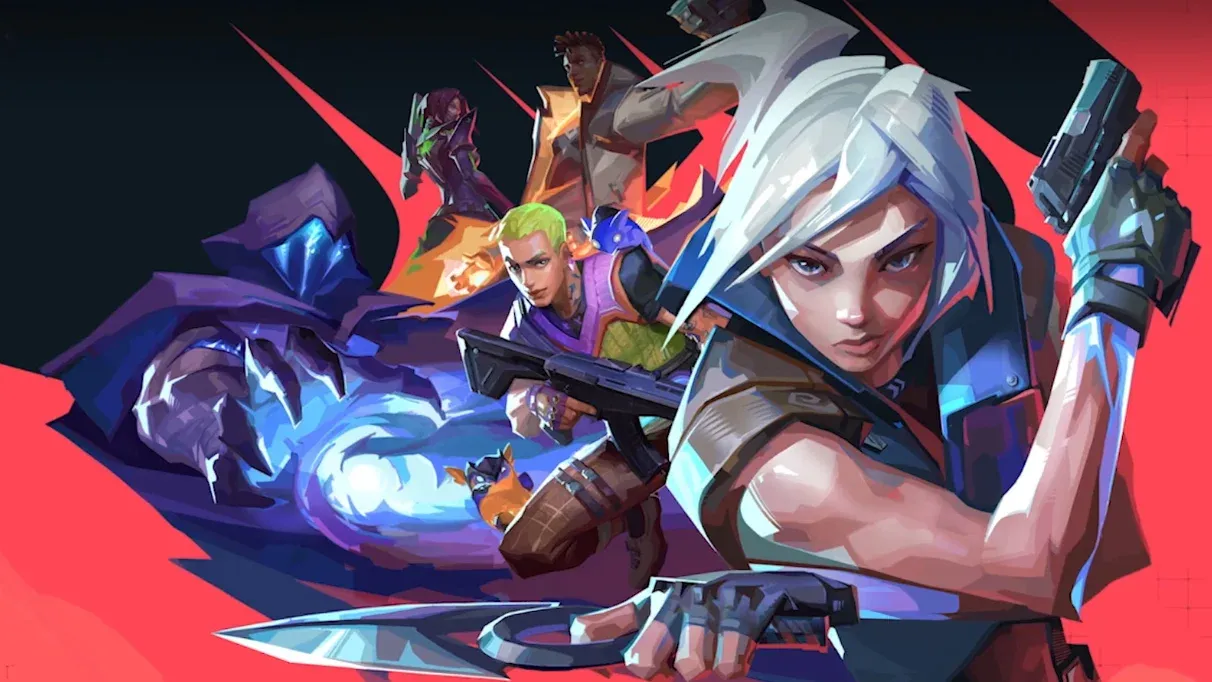


Riot Games just flipped the script on how rounds work in Valorant. Knockout, the new limited-time mode that dropped with the Season 2026 Act 2 update on March 18, has one central idea that changes everything: kill an enemy, and one of your dead teammates comes back. Immediately.
That single mechanic turns every round into a momentum seesaw. A team down 1v5 can chain two quick picks and suddenly find themselves in a 3v3. No lead is safe until the last player on one side drops and stays down.
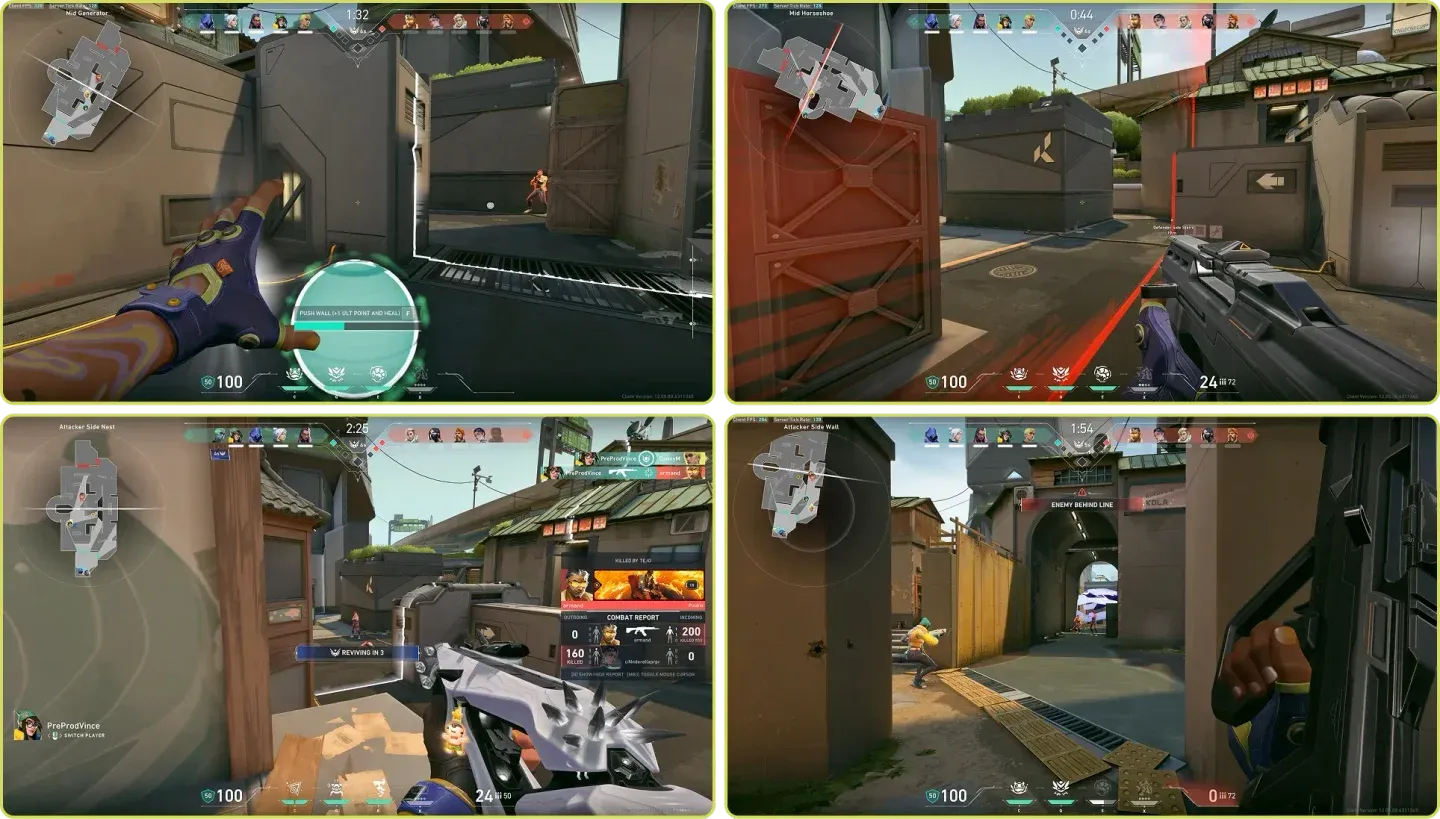
Knockout's center wall divides play
What Knockout Actually Is
Knockout sits somewhere between Team Deathmatch and a proper elimination format. There's no Spike, no economy, no buy phase. Loadouts are standardized from the start, so you're not spending mental energy on credits. The goal is simple: wipe the enemy team completely to win the round. First team to four round wins takes the match.
Matches clock in between 8 and 15 minutes. That's fast enough to squeeze in multiple games in a single session, which is clearly the point. Riot has been building out shorter-form options for players who can't commit to a full competitive run, and Knockout fills that gap more aggressively than anything before it.
The Kill-to-Revive Loop and Why It Works
The revive system creates a rhythm that punishes passive play hard. When your teammate goes down, your team needs a kill to bring them back. That means sitting back and waiting isn't really an option. Every second you spend not converting kills, the enemy team has a chance to stabilize their own numbers.
What surprised me most about this design is how it reframes the value of trading. In standard competitive play, trading a kill for a kill is often considered breaking even at best. In Knockout, a clean trade can swing from a 4v5 deficit back to a 4v4. Suddenly trading feels like winning.
A round can flip multiple times before it actually ends. That unpredictability is the whole point.
Center Wall, Orbs, and Territory Control
Each Knockout map features a center wall that splits the field in half at round start. Both teams push toward it after barriers drop. Crossing the wall alone triggers an alert on the enemy's end, which makes solo flanks genuinely risky rather than just tactically questionable.
The more interesting layer is the orb system. Orbs spawn across the map at neutral and contested positions. Collecting them physically shifts the center wall toward the enemy's side, compressing their space while opening up yours.
Ignoring orbs isn't a valid strategy. Teams that skip them end up boxed into shrinking corridors with worse angles and fewer options. Controlling the center wall is as important as winning individual gunfights.
Which Agents Actually Shine Here
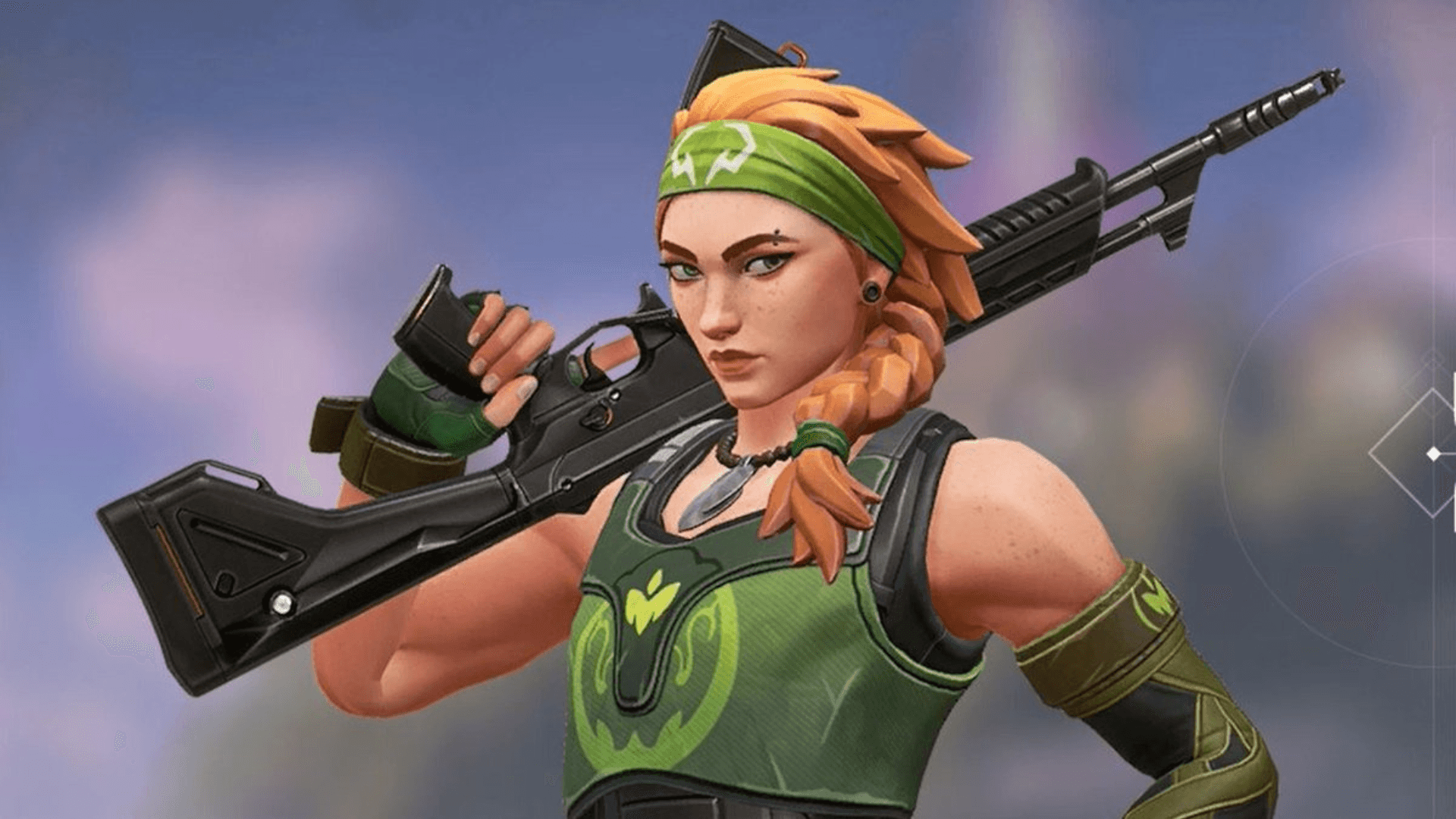
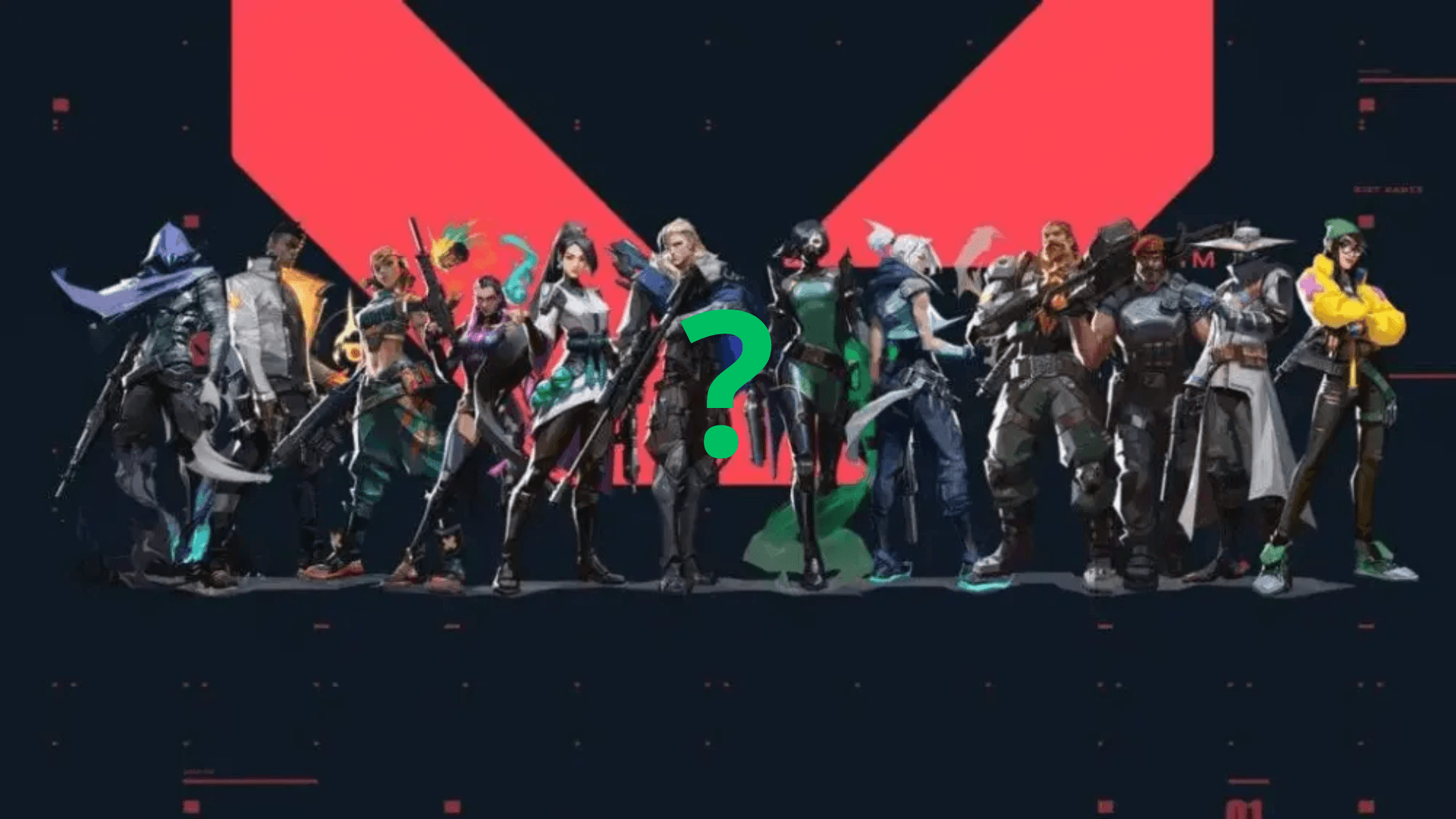
All agents are available, and Knockout doesn't restrict roster choices. But the format has clear favorites. Controllers like Brimstone and Omen become extremely valuable for smoking off the center wall crossing. Initiators with flashes help the whole team push together without getting picked apart.
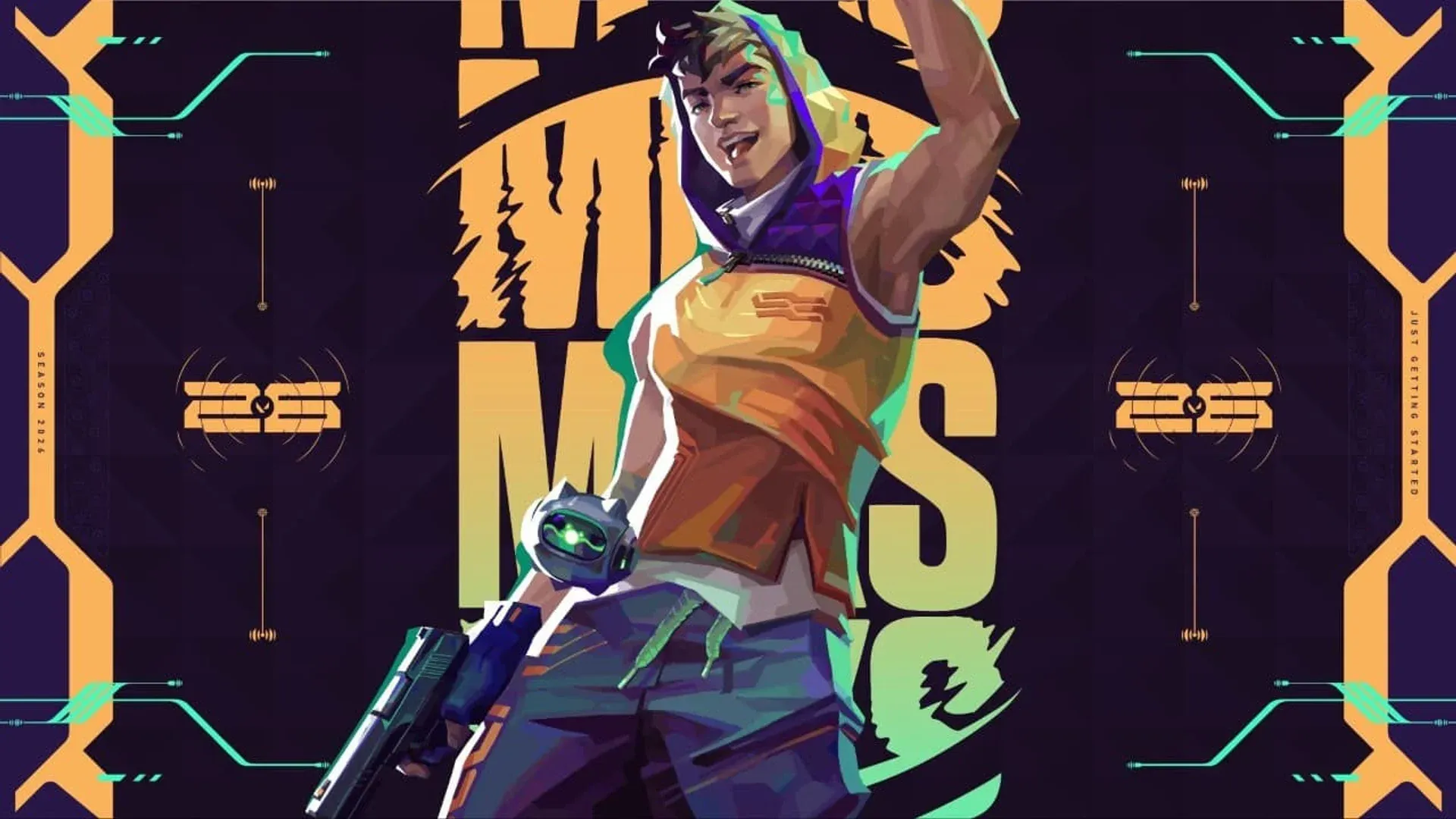
The new agent Miks, who launched alongside this mode in the same Act 2 patch, fits naturally into the support-oriented playstyle that Knockout rewards. Gekko is another solid pick for similar reasons. Pure fraggers still contribute, but the mode structurally benefits players who enable their teammates over those hunting solo kills.
Sentinels and area-denial agents also punch above their weight here. Since dead players only return when someone gets a kill, forcing bad trades and locking down space is a legitimate path to victory. If you want to get ahead on the maps before jumping in, they're the same ones used in Team Deathmatch, so a few warm-up TDM rounds will pay off.
For a deeper look at what Miks brings to the table in this new environment, the Miks agent abilities breakdown covers his full kit in detail. Keep an eye on the official patch notes for any balance tweaks as the mode settles in.