

Reddit user RF3D19 dropped their new Steam Controller this week and got more than they bargained for. The $99 gamepad, already packed with dual touchpads, full gyro support, and TMR joysticks, apparently has one more trick up its sleeve: drop it, and it occasionally lets out a Wilhelm scream.
Yes, that Wilhelm scream. The one that's been echoing through film and TV since 1951.

Use code TRYHARD33 at checkout to redeem this offer before code expires again.
Get 33% Off GAMES+ Subscription
How the discovery happened
The Easter egg surfaced this week on the r/SteamController subreddit, where RF3D19 posted a brief 2-second clip of the controller wailing mid-drop. Skepticism hit immediately. Half the comments assumed the audio was faked or the hardware had been modded. But as more owners started testing their own units, the verdict became clear: this thing actually screams when you drop it.
The scream itself is quiet. You need to drop the controller from a height that'll make you genuinely worried about your hardwood floors, and it doesn't trigger every time. But when it does fire, it's unmistakable.
The cooldown nobody asked for but everyone respects
Here's where it gets weird: the Wilhelm scream has a cooldown timer. Drop the controller once, hear the scream, then try again right away and you'll get silence. Reddit users report the gap between screams runs about a minute or longer, which either means Valve deliberately programmed it to feel like a rare surprise, or the haptic trigger just needs time to reset.
Either way, you can't spam-drop a $99 controller to loop a vintage sound effect. Which is probably smart design.
Haptics doing the heavy lifting
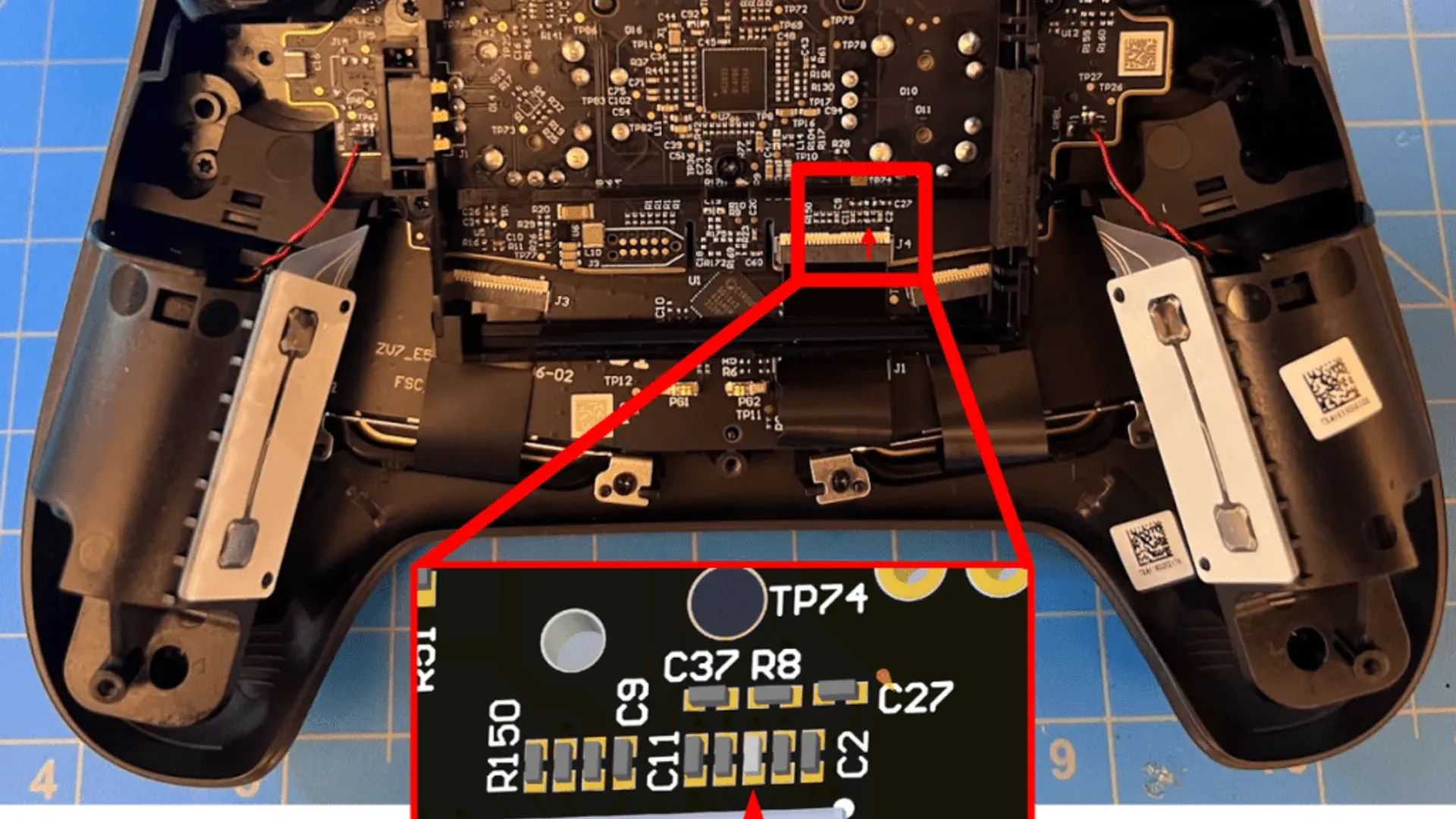
The Steam Controller doesn't have a front-facing speaker like the PlayStation 5 DualSense. So how is it making noise? The most credible explanation points to the controller's haptic motors. Those chunky actuators can vibrate fast enough to approximate audio output when programmed correctly, essentially turning the haptics into makeshift speakers.
Valve's done this before. The original 2015 Steam Controller used the same haptic-as-speaker trick, and modders figured it out within weeks. People were programming those haptics to play the Star Spangled Banner. The audio quality was rough back then, and it's still rough now, which is exactly why the Wilhelm scream fits. It's lo-fi enough to match what the hardware can realistically produce.
Valve hasn't confirmed whether the scream runs entirely through haptics or if the 2026 model hides a tiny speaker somewhere. Given the audio quality described by owners who've heard it firsthand, haptics remain the most plausible answer.
What this means for Valve's hardware culture
Valve's been hiding jokes and references inside its products for years. The Half-Life series alone has a documented history of Easter eggs stretching back decades, and the Steam platform itself has hidden gags scattered across its UI. Burying a Wilhelm scream inside a controller's drop-detection system is exactly the kind of low-key, high-effort joke that fits the company's design philosophy.
The $99 Steam Controller sold out in roughly 30 minutes at launch, and Valve has since acknowledged demand moved faster than expected. Resellers started flipping units on eBay at a premium within days. The Wilhelm scream discovery adds another conversation layer around the hardware at a time when Valve is also ramping up the broader Steam Machine ecosystem.
For anyone who already owns one, the method is straightforward: drop it onto something soft, wait a full minute between attempts, and keep the volume up. For everyone waiting on restocks, check out our game reviews and gaming guides while you hold out for the next wave of availability, which Valve says is coming via a reservation system similar to the Steam Deck's rollout.