
Owen Mahoney spent nearly a decade as CEO of Nexon and held senior roles at EA before that. His perspective on where the game industry is headed carries weight. In a recent interview on The Game Business Show, Mahoney laid out his case for why AAA development is breaking under its own weight, why smaller teams are outperforming expectations, and what AI might mean for the medium.
The bet that made investors nervous
When Nexon acquired Embark Studios, investors pushed back hard. Embark had no shipped games, no revenue stream, and was years away from releasing anything. Mahoney went ahead anyway. He knew the team from EA's acquisition of DICE and trusted their methodical approach to building games. The decision was less about what Embark had shipped and more about how they worked.
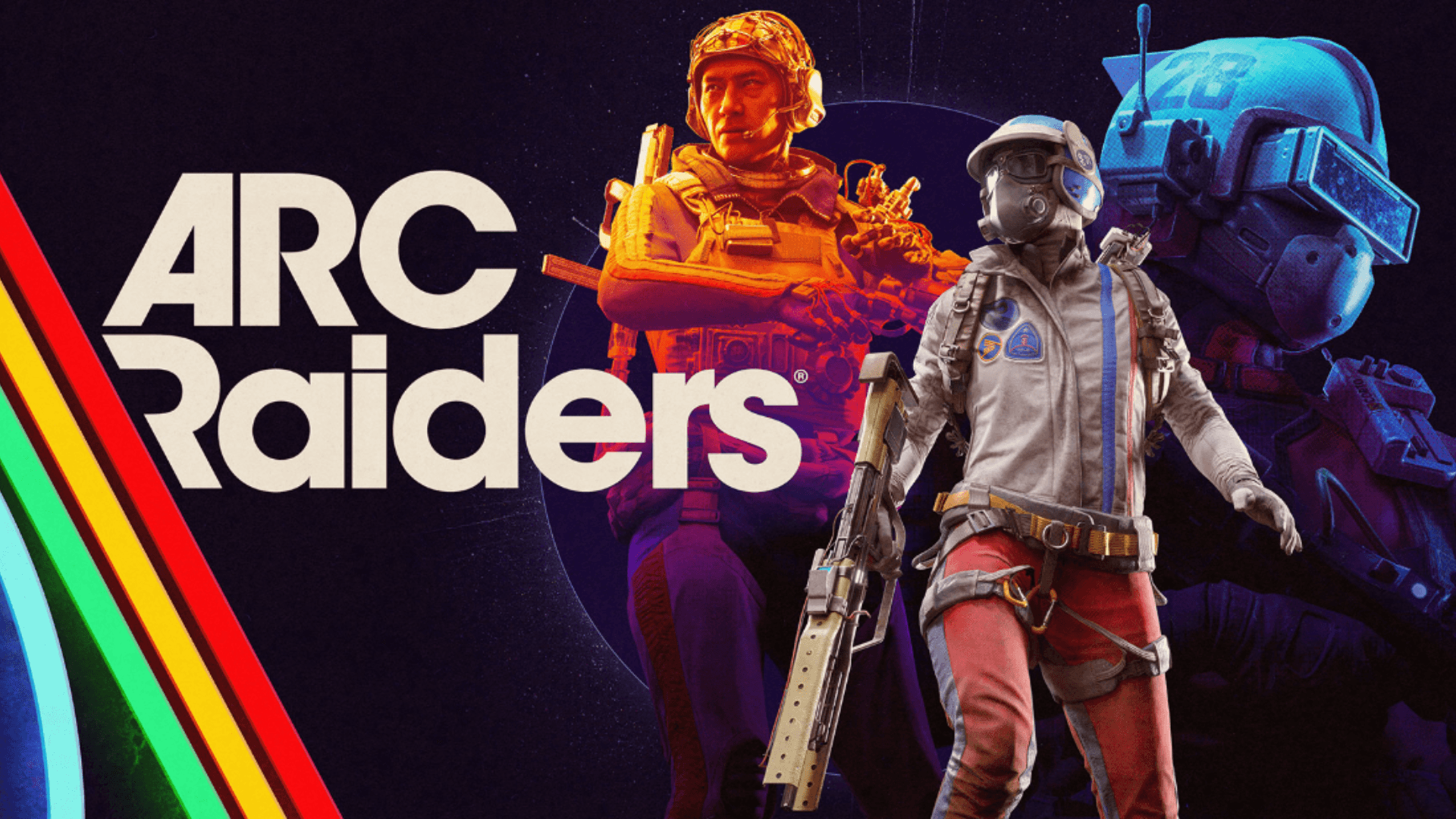
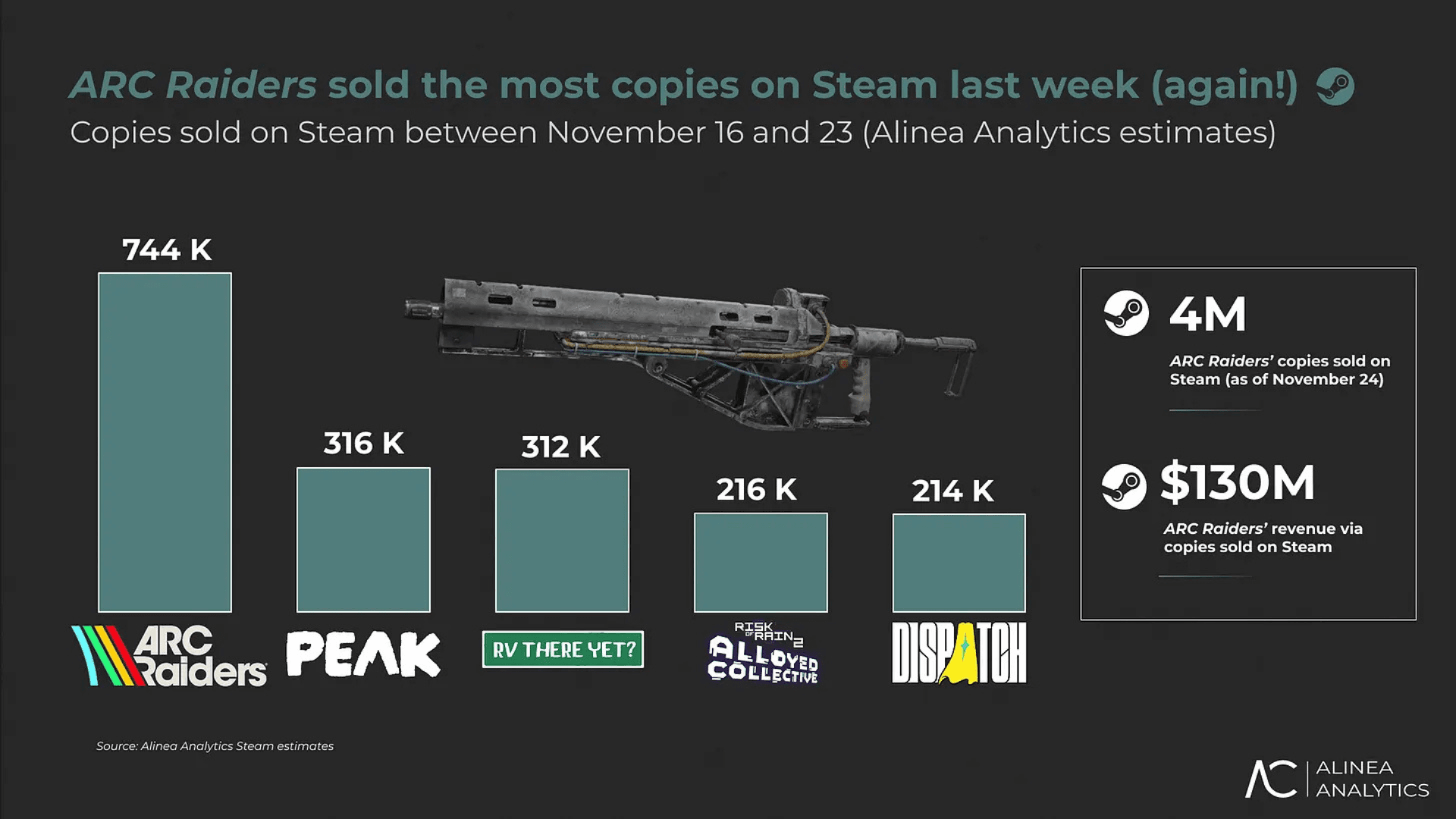
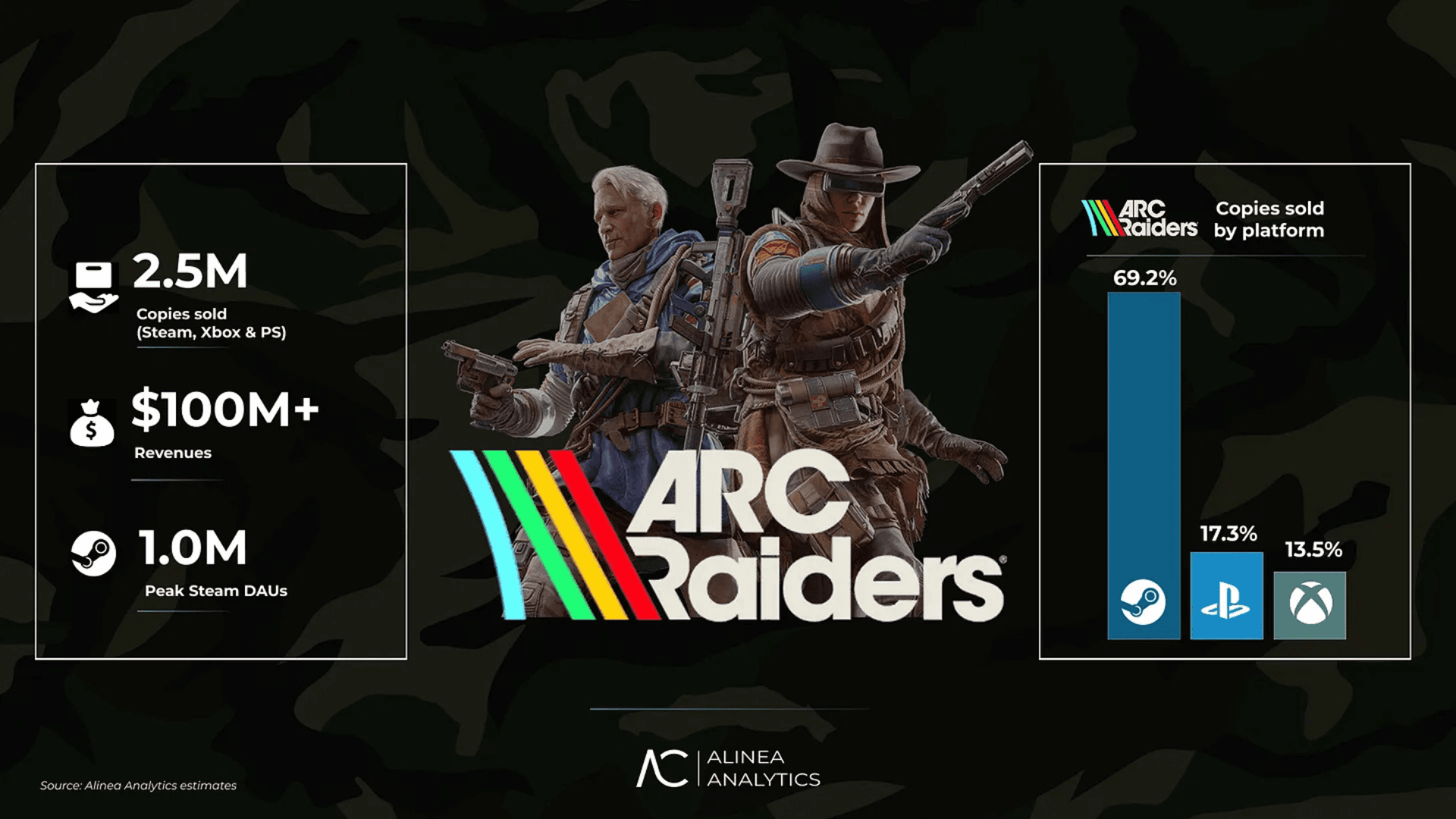
The skepticism Mahoney encountered reflects a broader issue in how the industry evaluates talent. Too many investors still judge studios by recent hits or immediate revenue potential rather than asking whether a team has the discipline and systems to build something that lasts. Embark proved the point when Arc Raiders became Nexon's biggest global launch. The team's structure mattered more than their track record.
Why smaller studios are winning right now
Embark's success came from choices that most AAA studios can't make. The team spent early development time building tools and pipelines instead of hiring hundreds of people. When the first version of Arc Raiders didn't work, they scrapped it and started over without the project collapsing under its own production weight.
Mahoney described game development as a systems problem first. Embark used satellite data to generate environments rather than handcrafting every asset. That kind of tech-driven approach gave the team room to iterate on gameplay without drowning in asset production. It's a model that scales differently than traditional AAA development, and it's working.
Why AAA executives can't take risks anymore
AAA game budgets now regularly hit hundreds of millions of dollars. That kind of financial exposure makes executives risk-averse by necessity. One failed project can trigger board investigations or activist investor campaigns. Mahoney said this dynamic forces large publishers into safe choices and discourages experimentation.
Meanwhile, recent breakout hits like Clair Obscur and REPO came from smaller teams working outside traditional AAA constraints. Mahoney believes the current model for large-scale development needs to be rebuilt from scratch. The financial pressure is too high and the creative flexibility is too low.
The funding gap hurting mid-sized teams
Independent developers can sometimes find support through platforms like Roblox or small investments. Large studios have access to publisher funding. But teams in the middle face a drought. Game development cycles are too long for most venture capital firms, especially when product-market fit won't be clear until years after launch.
This leaves aspiring developers with two bad options: work independently with almost no resources, or join a large studio where roles are narrow and creative input is limited. Mahoney sees this shrinking middle tier as one of the industry's most pressing problems.
What AI actually changes
Mahoney is optimistic about AI despite the structural problems facing AAA development. He compared AI's potential impact to the rise of online gaming. While AI will flood the market with low-quality content, players consistently reject bad games. What matters is that AI lowers barriers to entry, speeds up iteration, and enables new types of gameplay that can bring more people into gaming.
Mahoney projects the game market could triple in size within five to seven years. His argument is that the medium is evolving, and studios that adapt to these technological shifts will be positioned to grow while others stagnate.
An industry at a crossroads
Mahoney's analysis paints an industry in transition. AAA development is financially strained and operationally rigid. Teams like Embark are proving that different structures and philosophies can succeed. AI may reshape workflows and create opportunities for new kinds of studios. The path forward depends on whether teams and publishers can let go of old assumptions and focus on systems, tools, and adaptability instead of scale.
Source: The Game Business Show
Frequently Asked Questions (FAQs)
What does Owen Mahoney think is wrong with AAA development?
Mahoney says AAA development is breaking under financial pressure. Budgets in the hundreds of millions force executives into safe decisions, and public investor scrutiny kills experimentation.
Why did investors think Embark Studios was risky?
Embark had no revenue, no shipped games, and was years from launch when Nexon acquired them. Mahoney bet on their process and team background instead of their track record.
How did Arc Raiders succeed after a failed first version?
Embark invested early in tools and kept teams lean. When the first version didn't work, they rebuilt it without the project collapsing under production overhead.
Why does Mahoney believe AI will expand the game market?
He thinks AI will lower development barriers, speed up iteration, and enable new gameplay types that bring more people into gaming, similar to how online gaming expanded the audience.
What funding problems do mid-sized studios face?
Long development cycles and unclear early product-market fit scare off traditional investors, leaving a gap between indie support and large-scale AAA funding.
Does Mahoney think AAA games will go away?
No, but he believes the current production model is unsustainable without major structural changes.
What is Mahoney's view on web3 in games?
While not a focus of the interview, Mahoney's broader commentary suggests new technologies like web3 will only matter if they improve gameplay and player experience.