
The Build Engine powered some of the most important first-person shooters ever made. Duke Nukem 3D, Blood, Shadow Warrior, PowerSlave. But before any of those launched, there was Witchaven, a melee-heavy dungeon crawler from Capstone Software that holds a specific, quietly significant place in gaming history. And it's about to disappear from digital storefronts.
Witchaven's Build Engine debut
Revivalist publisher SNEG has announced that both Witchaven and its sequel, Witchaven 2: Blood Vengeance, will be delisted from Steam and GOG on June 15. No explanation was given for the removal. SNEG hasn't said whether a licence is expiring, whether remasters are coming, or whether these games are simply going away for good.
What made Witchaven matter in the first-place
When Witchaven released in September 1995, it became the first game to legally use Ken Silverman's Build Engine. That's the technology that would later define an entire era of PC shooters, and Witchaven got there first, beating Duke Nukem 3D to the punch by several months.
The context here matters. A Taiwanese studio called Accend had used the Build Engine without authorization in 1994 for Rock 'n' Shaolin: Legend of the Seven Paladins 3D, after getting access to an early version during licensing negotiations with 3D Realms that ultimately fell apart. Witchaven was the first game to do it properly, with a legitimate deal in place. The second Build Engine release was also a Capstone game: William Shatner's TekWar.
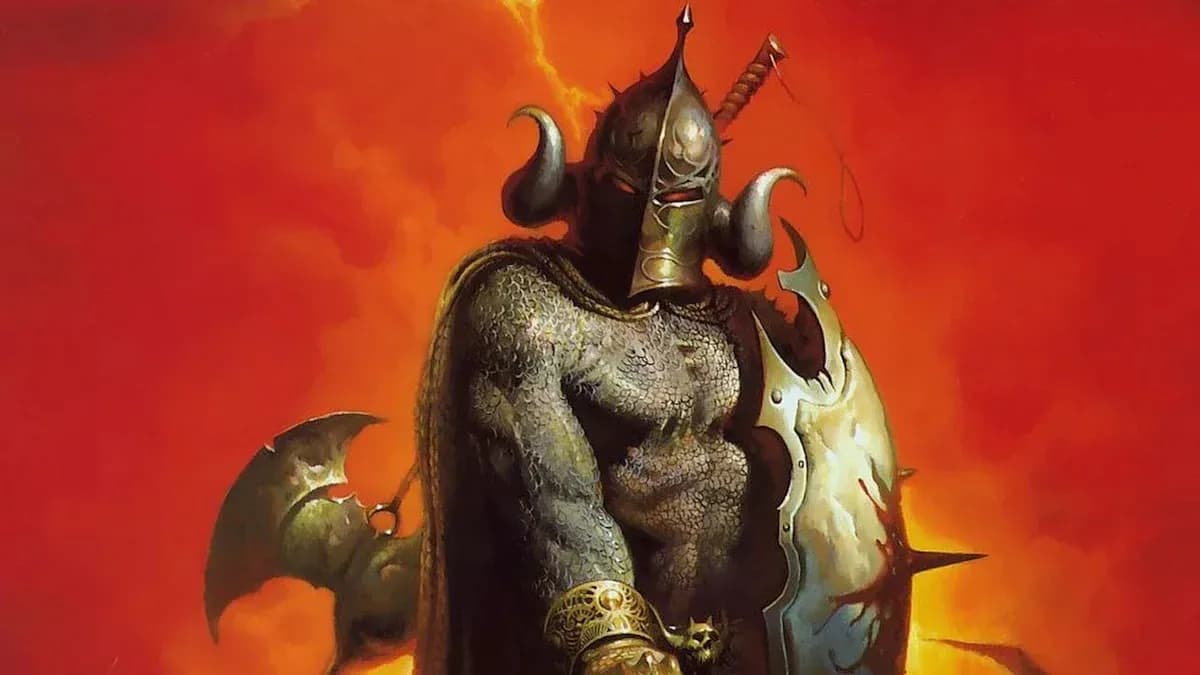
Witchaven itself is a first-person slasher loosely adapted from a set of Dungeons and Dragons dungeon maps released by Wyrm Works. You play as a knight working through a volcano populated by goblins, witches, and assorted enemies, mostly fighting with melee weapons like morning stars and battle axes that degrade and break over time. There's a bow and a handful of spells, but the focus is on up-close combat, which was notoriously difficult to judge in first-person games of this era.
Contemporary criticism of Witchaven 2 in 1996 noted that the character would "float to a standstill, like a car with bad brakes," and control issues made precise movement a constant battle. The same review found moments worth praising, like enemies who would react to being caught off guard, in-fighting with each other before spotting the player, and looking genuinely startled when a door opened on them unarmed. The final verdict was a 58% and the line "a pig in a dress is still a pig," which honestly tells you everything.
The delisting window and what it costs right now
Both games are currently on sale ahead of the June 15 removal. On Steam, the Witchaven I and II bundle is discounted by 89%. On GOG, the same bundle sits at 90% off, which works out slightly cheaper in absolute terms because the base price on GOG is lower to begin with.
SNEG has not commented on what happens after June 15. The possibility of remasters exists, given that revivalist publishers often delist originals before dropping updated versions, but that's not confirmed. The absence of any explanation is the whole story right now.
Why this is worth paying attention to beyond nostalgia
The Witchaven games aren't beloved classics. They shipped with real problems and were never in the same conversation as the Build Engine titles that followed. But they're a documented piece of how that technology got off the ground, and once they're gone from storefronts, access gets a lot harder for anyone who wants to trace that history.
The Build Engine's lineage runs directly from Witchaven through to Duke Nukem 3D and beyond, and the adventure games and action titles of the mid-1990s PC era were shaped heavily by what developers learned pushing that technology. Losing even the rougher entries from that period makes the historical record thinner.
For fans of Bubsy 4D and other curio titles from the same era of experimental 3D game development, the Witchaven situation is a reminder of how quickly niche games from the 1990s can slip out of reach entirely. Check out the Bubsy 4D guides if you want to revisit another oddity from that period while it's still accessible.
June 15 is the date to watch. After that, Witchaven joins the growing list of games that exist in history books but not on any storefront you can easily reach.