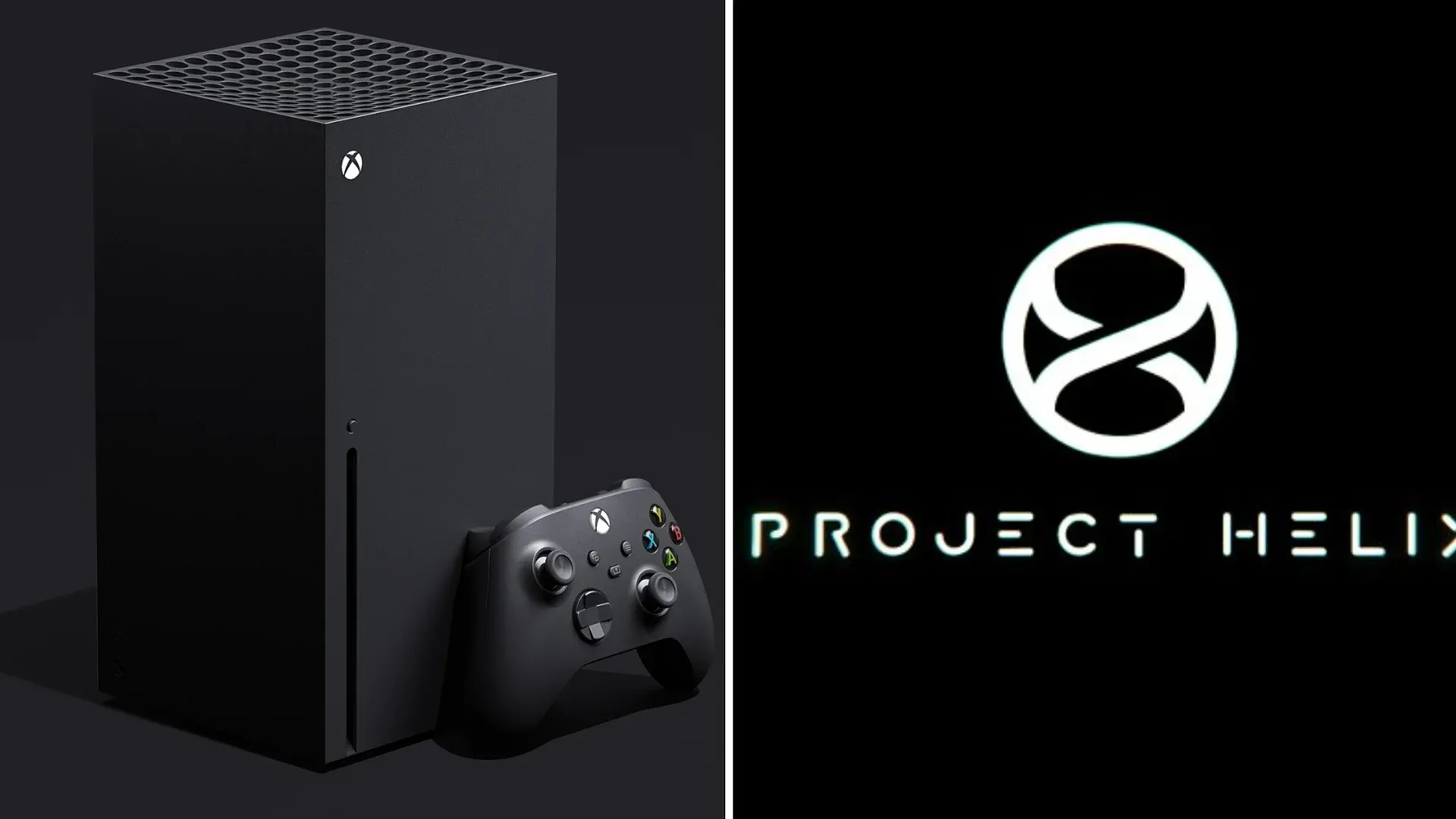


If you've been trying to track down a new Xbox console lately, the problem isn't your timing. Microsoft can't make them fast enough.
Speaking at Summer Game Fest, Xbox's Chief Strategy Officer Matthew Ball gave one of the most candid public assessments of the company's hardware situation in recent memory. The short version: demand for Xbox consoles is real, supply is not keeping up, and the AI boom driving component costs higher is making everything harder.

Use code TRYHARD33 at checkout to redeem this offer before code expires again.
Get 33% Off GAMES+ Subscription
The supply wall Xbox is hitting right now
"We are producing them as quickly as possible," Ball said. "There is a severe limitation to how quickly we can do that, but it's not a question of appetite. That is a privilege as a company. It is a challenge for us to figure out."
The component shortage isn't an Xbox-specific problem, but the timing is particularly awkward for Microsoft. The AI industry's appetite for high-end silicon has pushed hardware costs up across the board, and console manufacturers are competing for the same supply chains as data centers. For Xbox, that squeeze is visible on store shelves right now.
Here's the thing: Ball framing this as a "privilege" is doing some heavy lifting. Yes, demand outpacing supply sounds like a good problem. But when players can't buy your hardware, that goodwill has a shelf life.
What this means for Project Helix
The bigger question Ball was pressed on is what all of this means for Project Helix, Xbox's next-gen console. He didn't sugarcoat it.
"The crisis is not yet getting better," he said, adding that it is forcing the team to rethink their entire approach to Helix. "We are working very hard to rethink everything that we can about Helix, which is a console we are committed to shipping. We are very cognizant of the ways in which we need to change as a company to make sure it is affordable, to make sure that it's flexible."
Ball specifically mentioned the component crunch could have "acute effects for 2 to 2.5 years," which puts a real timeline on how long Xbox expects to be operating in this constrained environment. That's not a short-term blip. That's a product cycle.
The "additive, not exclusionary" language Ball used is worth paying attention to. It suggests Xbox is exploring a tiered or modular approach to Helix rather than a single fixed hardware SKU, though nothing concrete has been confirmed.
Loyalty, new players, and the $500 question
Ball was also direct about the tension between attracting new players and keeping existing ones happy. He pointed out that tens of millions of people already paid $500 or more for an Xbox console, and that Microsoft has an obligation to make those players feel their investment was worthwhile.
"We are working very hard to figure out the best way to navigate it in a way that works for everyone, that does not ask too much from players," he said.
This isn't just hardware talk. Ball also acknowledged that Game Pass lost millions of subscribers after the service raised its prices in October 2025. That's a significant admission, and it adds context to why Xbox is so focused on affordability messaging right now. The company has already seen what happens when it misjudges what players are willing to pay.
Xbox's new CEO, Asha Sharma, reportedly asked Ball directly whether Xbox was "fixable" when he joined the company earlier this year. Ball said yes. Whether that optimism holds depends on how well the team can navigate the next two-plus years of hardware constraints while keeping players engaged with titles like Gears of War: E-Day, Halo: Campaign Evolved, and Fable.
For deeper context on the games Xbox is banking on to hold the line, check out the game reviews section as those titles get closer to launch. And if you want to stay across the platform decisions shaping how you'll play them, the gaming guides hub is worth bookmarking as Project Helix details continue to emerge.