

Kevin Scott, Chief Technology Officer at Microsoft, has stepped into the spotlight this week to warn Xbox players about the genuine dangers of purchasing game codes through unofficial reseller channels. The warning follows a notable incident in which a group of Japanese Xbox users found their accounts banned after redeeming what turned out to be fraudulent codes, before Microsoft reversed those bans.

Use code TRYHARD33 at checkout to redeem this offer before code expires again.
Get 33% Off GAMES+ Subscription
What triggered the warning
The situation that prompted Scott's comments centers on a batch of fraudulent Xbox codes that circulated in Japan. Players who redeemed those codes had their accounts flagged and subsequently banned, despite many of them having no idea the codes were illegitimate. Microsoft did eventually reinstate those accounts, but the damage in terms of player trust and the disruption caused was significant enough that Scott felt a public response was warranted.
Here's the thing: account bans tied to fraudulent codes are not a new problem on Xbox. The platform has dealt with this for years, but the Japanese incident brought it back into sharp focus because of the scale and the fact that innocent users got caught in the crossfire.
The reseller problem explained
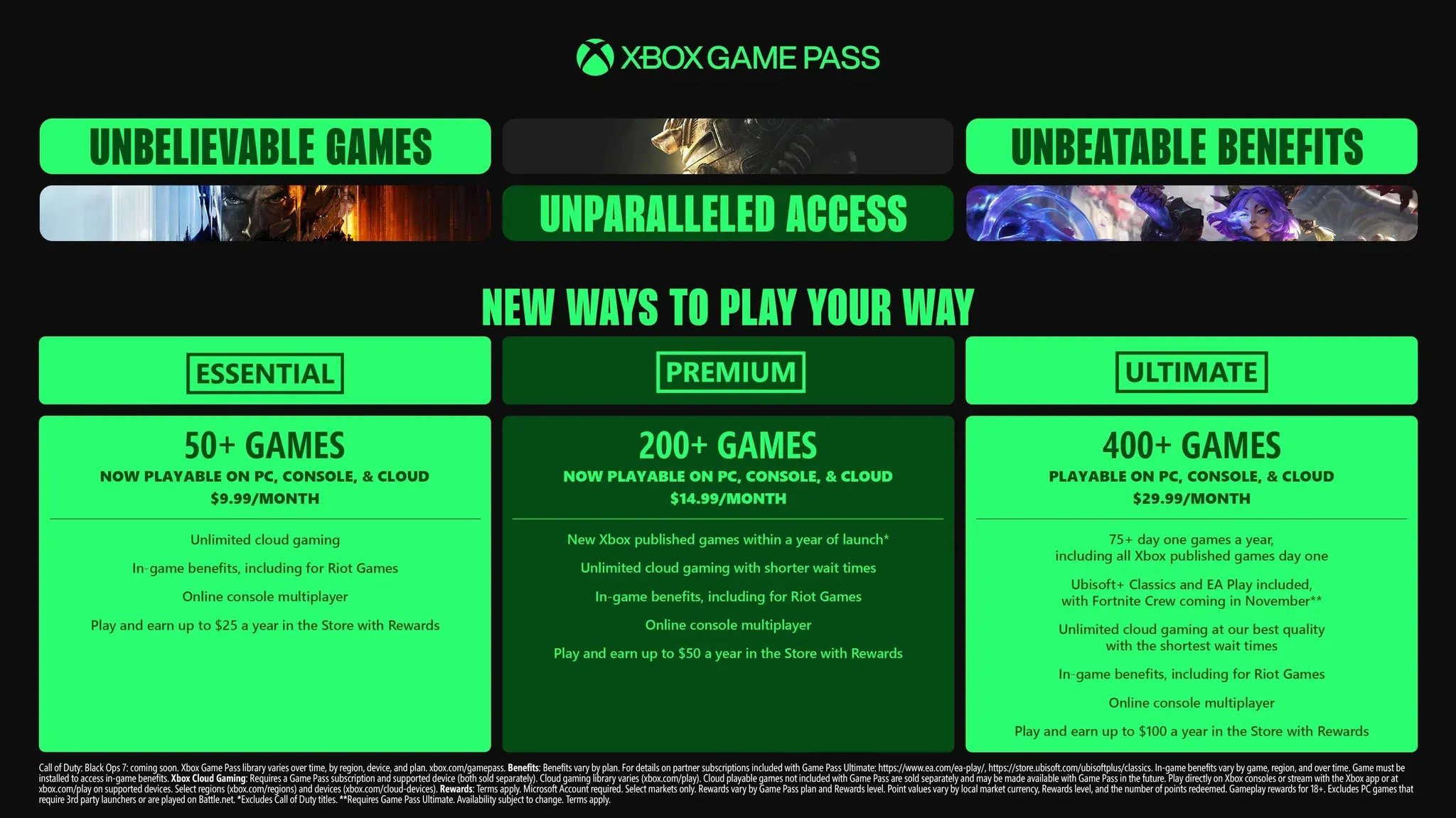
Xbox game codes, Game Pass subscriptions, and Gift Cards can all be purchased legitimately through the Microsoft Store, major retailers like Amazon and Walmart, and various authorized partners. The problem lies with a murkier category of sellers operating outside those channels, sometimes called "gray market" resellers, who offer codes at steep discounts.
What most players miss is where those discounted codes actually come from. Some are obtained through fraudulent credit card transactions. Others are generated or stolen through exploits. When a player redeems one of these codes, they may benefit in the short term, but the moment Microsoft flags the transaction as fraudulent, the value gets clawed back and the account associated with the redemption can face penalties.
The price gap between legitimate and gray-market codes can look tempting, especially for Game Pass subscriptions or newer full-price titles. But the key here is that the discount is effectively a gamble on whether the code will survive Microsoft's fraud detection, and that gamble can cost you your entire account.
Scott's position and what it signals
Scott's public comments are notable because a CTO-level executive speaking directly to players about fraud prevention is not standard operating procedure. It signals that Microsoft views this as a large enough problem to address openly, and that the Japanese banning incident was embarrassing enough internally to warrant visible action.
The message from Scott was direct: buy from authorized sources. That means the Microsoft Store, official retail partners, or platforms that have formal agreements with Microsoft. Anywhere else carries risk that the company will not absorb on the player's behalf.
For players who regularly pick up codes from third-party sites chasing a deal, this is a meaningful shift in tone. Microsoft has historically handled fraudulent code cases quietly. A public warning from a C-suite executive suggests the volume of incidents has reached a point where the company wants players explicitly aware of the risk before they redeem anything.
Legitimate codes still exist outside the official store
None of this means every third-party code seller is fraudulent. Retailers like Amazon, Best Buy, and Walmart sell genuine Xbox codes, and there are legitimate key platforms that operate with proper licensing agreements. The distinction is between authorized retailers and gray-market resellers who source codes through questionable means.
Pro tip: if a deal looks significantly better than what the Microsoft Store or a major retailer is offering, that gap in price is a red flag worth investigating before you redeem anything.
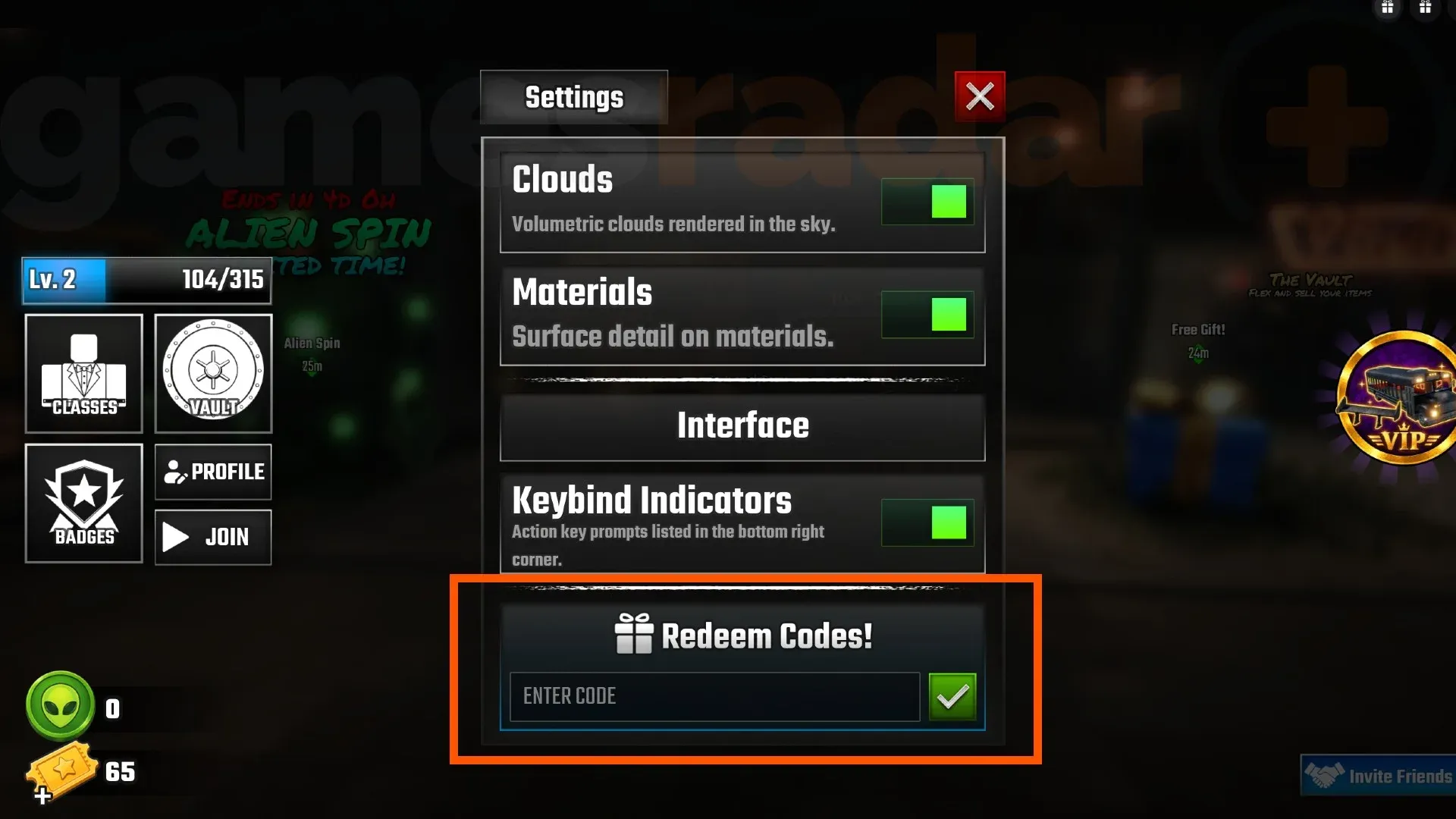
For players who enjoy collecting free codes from games, checking out resources like our Azure Latch codes for September 2026 or the NBA Champions Basketball codes guide is a completely safe way to grab in-game rewards without any account risk. More free code guides are available across our gaming guides hub.
Microsoft has not announced any specific policy changes following the Japanese incident, but with Scott on record about the issue, expect the company to tighten its fraud detection systems and potentially revisit how it communicates account risk to players who unknowingly redeem bad codes.