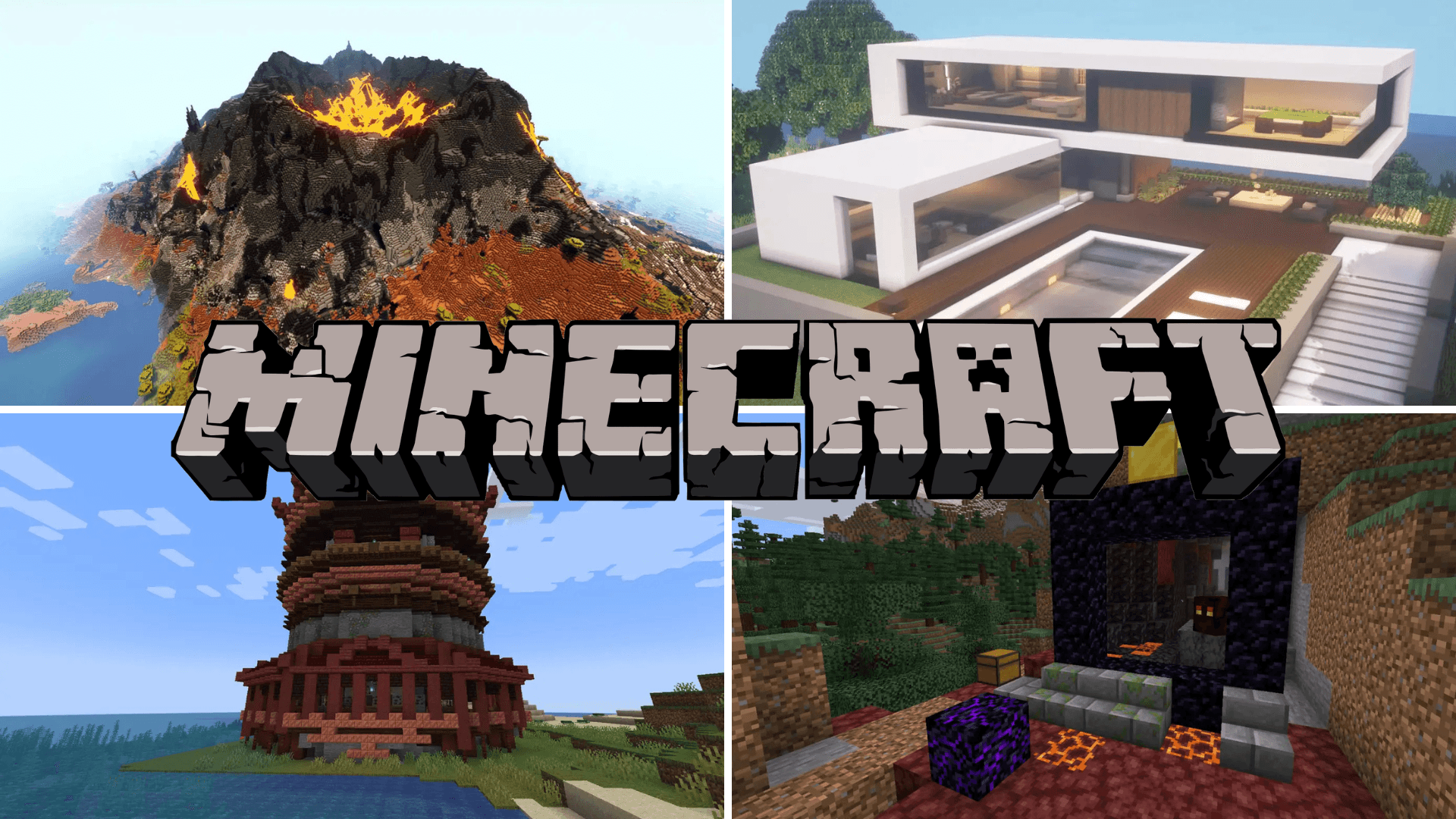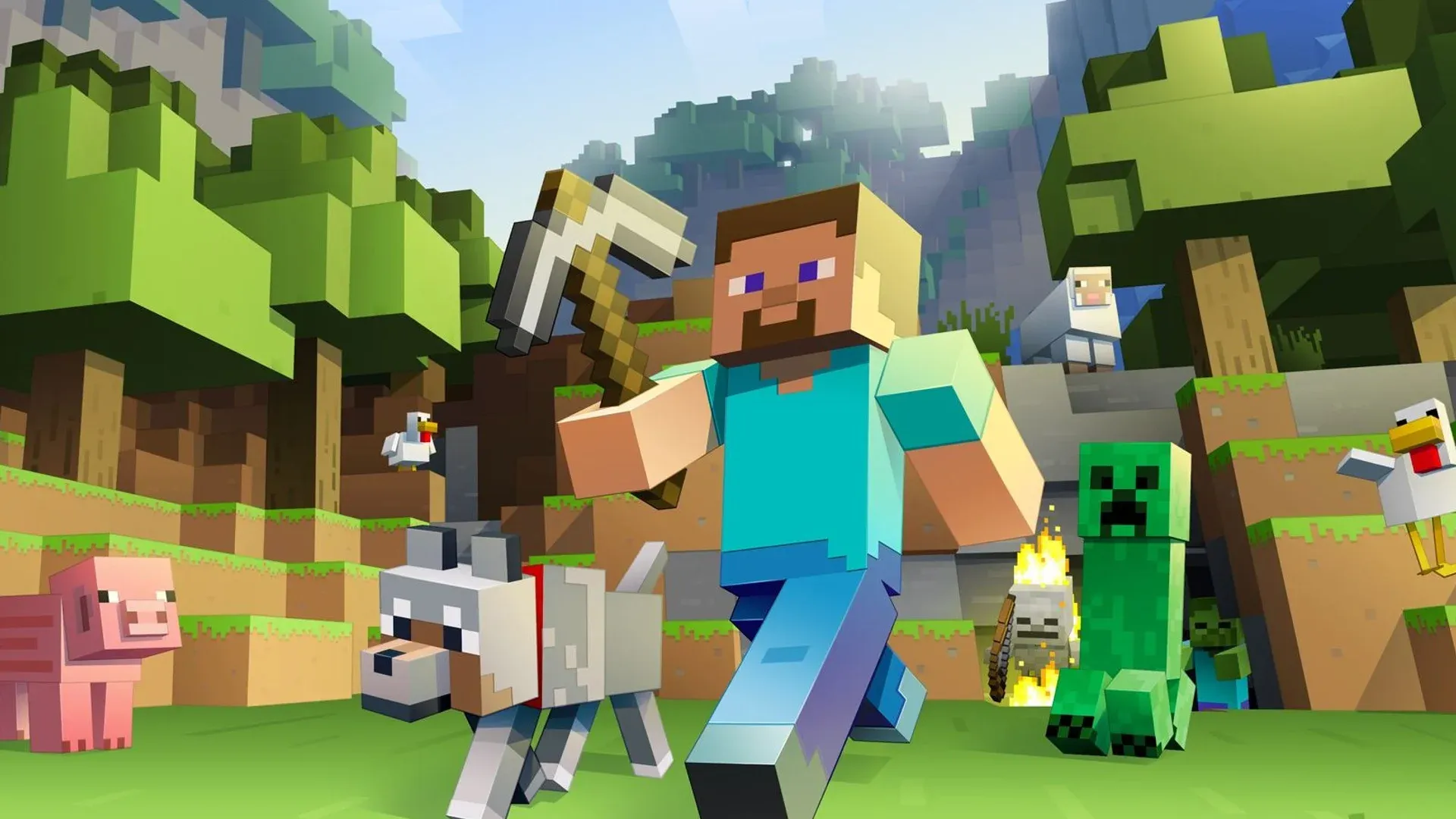


"Where does Xbox fit all of a sudden?" That's not a question from some random forum poster. That's Peter Moore talking — the former Microsoft VP who also ran Sega of America and EA Sports. Moore recently offered a blunt assessment of Xbox's strategy over the past decade: Microsoft had Minecraft, one of the biggest properties in gaming history, and didn't build its platform identity around it.
A missed window with the world's biggest game
Moore's criticism cuts straight to the point. Microsoft owned Minecraft outright but let the franchise run in the background while chasing Bethesda exclusives and piling up studio acquisitions. The implication: Xbox had a generational asset and treated it like maintenance revenue instead of the foundation for everything else.
This isn't armchair analysis. Moore has worked at the executive level across three major platform holders and publishers. His read on Xbox's trajectory carries weight because he's seen how these decisions play out from the inside. The pattern he's pointing to is real: the more studios Xbox acquired, the less any single franchise defined what the platform actually stood for.
What got in the way
Moore's argument centers on Xbox prioritizing Bethesda exclusives like Starfield and Redfall over the franchise that already had hundreds of millions of active players. Minecraft doesn't need the same promotional push as a new IP. It sells itself. But that self-sufficiency might have made it easy to ignore when leadership conversations focused on flashy new acquisitions.
The Bethesda exclusive push hasn't delivered the platform-defining wins Xbox needed. Starfield and Redfall both underperformed relative to the $7.5 billion acquisition price, at least in terms of shifting the broader platform narrative. Meanwhile, Minecraft kept growing on its own momentum, no exclusive content required.
- Minecraft has stayed culturally relevant for over a decade without major platform-exclusive pushes
- Bethesda titles were positioned as the flagship differentiators for Xbox hardware
- Neither Starfield nor Redfall met expectations in ways that changed the conversation around Xbox
- Xbox now competes in a market where PlayStation and Nintendo have clearer first-party identities
Why Moore's take matters now
Moore's comments land at a genuinely uncertain moment for Xbox. The platform has shifted toward Game Pass, cross-platform releases, and day-one PC availability for most titles. That strategy raises an uncomfortable question: if Xbox games are available everywhere, what's the reason to own an Xbox console?
Minecraft could have been the answer. A more aggressive push — exclusive content drops, tighter integration with the upcoming film, or platform-specific features — might have given Xbox a sharper identity. Instead, the franchise exists as a multiplatform success story that doesn't particularly benefit Xbox hardware.
Moore isn't saying the Bethesda acquisition was a mistake. He's saying big bets on unproven franchises can make you lose sight of the proven ones. That's a lesson that applies to any platform holder trying to define what it stands for.
Background: Microsoft's Minecraft acquisition
Microsoft bought Minecraft developer Mojang in 2014 for $2.5 billion. At the time, the price seemed high. A decade later, it looks like one of the smartest deals in gaming. The franchise has expanded into Minecraft Education Edition, Minecraft Dungeons, Minecraft Legends, and a feature film currently in production. Despite all that activity, Moore's critique holds: none of those extensions repositioned Minecraft as the centerpiece of Xbox's identity.
As Xbox keeps navigating its place in a three-platform market, Moore's assessment is a reminder that the most valuable asset isn't always the newest one.
Make sure to check out our articles about top games to play in 2026:
Best Nintendo Switch Games for 2026
Best First-Person Shooters for 2026
Best PlayStation Indie Games for 2026
Best Multiplayer Games for 2026
Most Anticipated Games of 2026
Top Game Releases for January 2026
Frequently Asked Questions (FAQs)
Who is Peter Moore and why does his opinion on Xbox matter?
Peter Moore is a veteran gaming executive who held senior roles at Sega of America, Microsoft Xbox, EA Sports, and Liverpool FC. His experience across multiple major gaming organizations gives his strategic assessments particular credibility within the industry.
How many copies has Minecraft sold?
As of the most recent figures, Minecraft has sold over 300 million copies across all platforms, making it one of the best-selling video games ever released.
How much did Microsoft pay for Minecraft?
Microsoft acquired Minecraft developer Mojang in 2014 for $2.5 billion, a deal that remains one of the most significant in gaming history.